
New Delhi, September 30, 2026
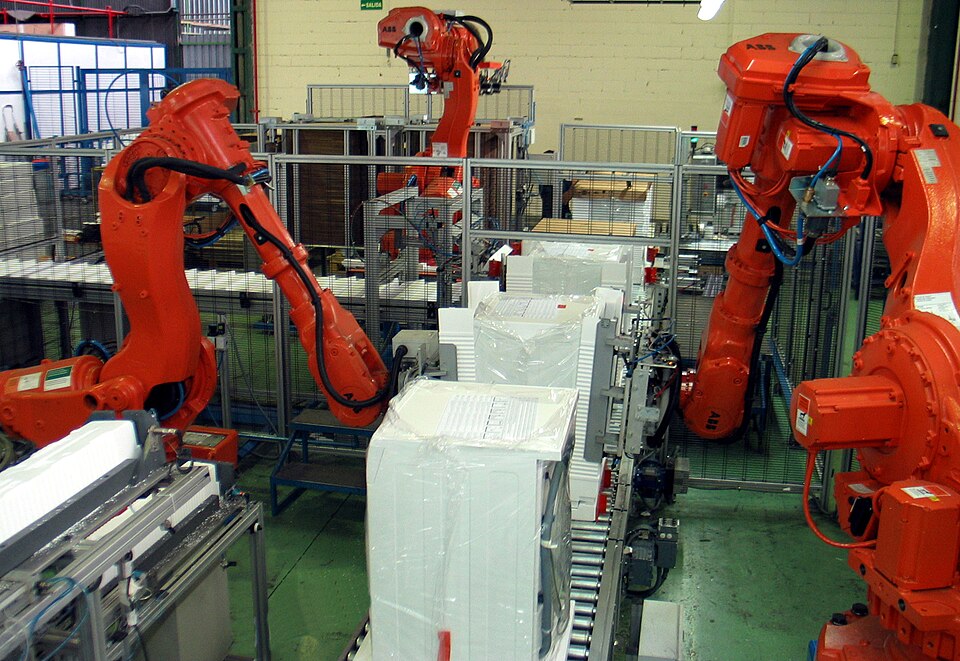
The global factory robot count surged past the 5 million mark, driven largely by rapid automation growth in China and India, according to the International Federation of Robotics (IFR). This milestone underscores Asia’s dominant role in industrial automation, with China accounting for over half of all new robot installations worldwide in recent years and India emerging as one of the fastest-growing markets for robotic adoption in manufacturing. In 2023 alone, China installed approximately 290,000 industrial robots, representing about 52% of the global total of 553,000 new units deployed that year. India’s annual robot installations grew to around 8,500 units in 2023, marking a year-on-year increase of over 25%. This surge in adoption is evident in expanding use of robots in automotive, electronics, and metalworking sectors. “China’s provincial programs, such as Guangdong’s ‘Robotics Replace Humans’ initiative, have subsidized automation upgrades, contributing to the country’s robot density of over 400 units per 10,000 manufacturing workers—more than double the global average,” said Zhang Wei, a Beijing-based roboticist. India’s growth is supported by national policies like the Production Linked Incentive (PLI) scheme, which encourages domestic manufacturing and automation in sectors including pharmaceuticals and telecom equipment. The IFR data shows that Asia as a region accounted for nearly 73% of all new robot installations worldwide in 2023, up from 66% in 2020, underscoring a sustained shift in manufacturing automation toward the continent. The five million-unit threshold was crossed in early 2024, based on cumulative installations since tracking began, with the IFR noting that the pace of adoption has accelerated due to rising labor costs, government incentives for smart manufacturing, and increased investment in electronics and automotive production. Looking ahead, the IFR projects that global robot installations will exceed 600,000 annually by 2026, with Asia expected to maintain its leadership, driven by continued expansion in China, India, and Southeast Asian nations such as Vietnam and Thailand, where foreign direct investment in export-oriented manufacturing is rising. The data does not include service robots or non-industrial automation systems, focusing strictly on multipurpose manipulators used in factory environments for tasks such as welding, assembly, and material handling. India’s rapidly growing robotics sector stands to benefit the economy in several ways. Greater automation could help reduce labor costs, improve productivity, and attract foreign investment. However, it also raises concerns about job displacement and the need for workers to acquire new skills to remain competitive in the increasingly automated workforce. In a recent interview, Indian Minister for Electronics and Information Technology, Ashwini Vaishnaw, emphasized the importance of balancing automation with job creation and skill development. “Automation is a tool that can help us leapfrog development, but we must also ensure that our workforce remains competitive and adaptable to the changing landscape,” he said. As the world marks the milestone of 5 million factory robots, the focus now shifts to the challenges and opportunities that lie ahead. With Asia leading the way in industrial automation, the region stands to reap significant economic benefits while navigating the complex social and economic implications of a more automated future.




