
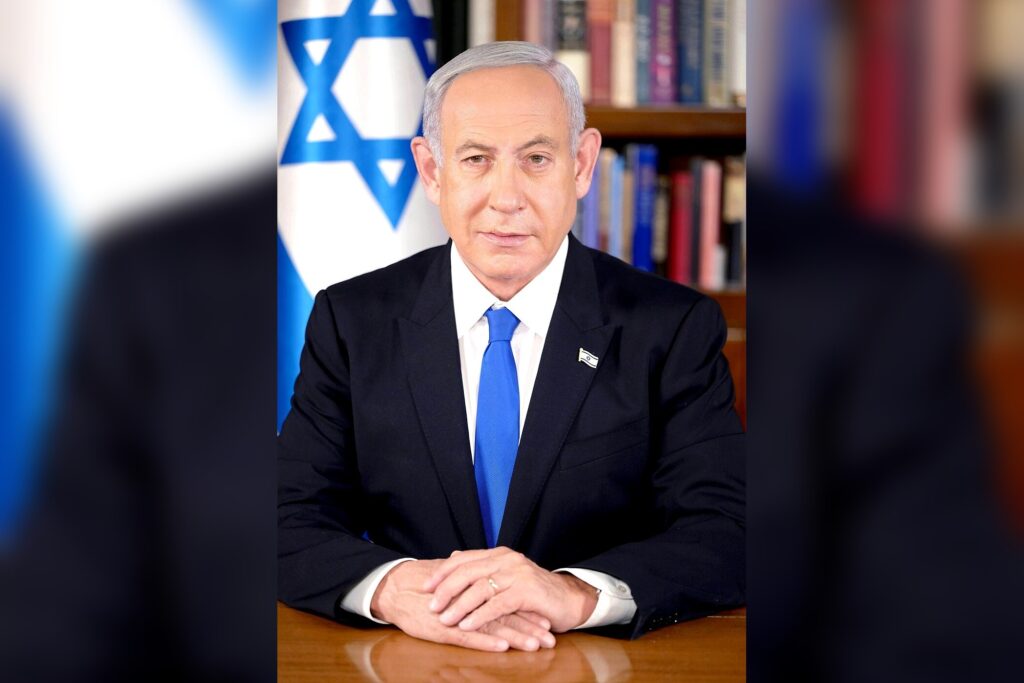
A Podium in New York, a Warrant in His Name
Strategically, the scene was almost theatrical. Benjamin Netanyahu faced the 81st United Nations General Assembly on Thursday in New York carrying an outstanding arrest warrant issued by the International Criminal Court, one alleging responsibility for “starvation as a method of warfare”, for crimes against humanity, and for attacks intentionally directed at civilians in Gaza. Video footage showed delegates streaming toward the exits in long lines before he spoke, a UN official calling repeatedly for order, and the Israeli leader urging the “moral cowards” still in their seats to walk out. No one arrested him, and that outcome had been telegraphed for months.
The Warrant on the Books
The warrants came from the ICC’s Pre-Trial Chamber I on November 21, 2024, naming Netanyahu and former defense minister Yoav Gallant, months after the Court’s prosecutor first sought them on May 20, 2024. In its public summary, the judges saw “reasonable grounds to believe” he bore criminal responsibility for intentionally directing attacks against civilians, for starvation as a war crime, and for murder and persecution counted as crimes against humanity, across a period the Court dates from at least October 8, 2023 to at least May 20, 2024. The order sits at the allegation stage; it is no conviction. Israel contested it from the start, challenging the Court’s jurisdiction and then demanding withdrawal. Judges rejected the jurisdictional challenges in 2024, refused on July 16, 2025 to pull the warrants, and on October 17, 2025 denied Israel leave to appeal. The warrant remains on his ICC profile.
Why No Duty Reached Washington
The narrow reading: the warrant alone imposed no treaty duty on Washington to arrest or surrender him. States Parties, under Rome Statute Articles 86 and 89, must cooperate with the Court and honor its requests that suspects be arrested and surrendered. Washington signed on December 31, 2000, then told the U.N. Secretary-General on May 6, 2002 that it had no intention of joining and no legal obligations flowing from its signature. Article 87 permits the Court to invite a non-party state to assist, an invitation rather than an obligation. The contrast with a real member is instructive: Hungary, then an ICC State Party, hosted Netanyahu from April 3 to 6, 2025, and the Court later found Budapest had failed to comply with the request for his provisional arrest, referring Hungary to the Assembly of States Parties over the failure. Nothing similar reaches Washington.
Congress, Immunity and the UN Shield
Congress built a wall of its own with the American Service-Members’ Protection Act of 2002, the law critics mock as the “Hague Invasion Act”, which bars U.S. agencies from cooperating with the Court under 22 U.S.C. 7423. Yet a companion section, 7433, makes clear that nothing in the act bars assistance to international efforts aimed at bringing foreign nationals accused of genocide, of war crimes or of crimes against humanity to justice. Immunity runs deeper: the State Department’s Foreign Affairs Manual extends foreign heads of government immunity from criminal and civil jurisdiction during their terms, and the International Court of Justice held in its 2002 Arrest Warrant judgment that an incumbent foreign minister kept full immunity before another state’s courts even where war crimes and crimes against humanity were on the table, while stressing that immunity differs from freedom from criminal responsibility. Rome Statute Article 27 strips official-capacity immunity at the ICC itself, yet that rule binds the Court plus its members, not a beat cop in Manhattan. A final layer sits with the United Nations: Washington joined the UN’s privileges and immunities convention in 1970, shielding member states’ representatives from personal arrest or detention while they exercise UN functions and travel to and from meetings, and under the 1947 Headquarters Agreement U.S. authorities may not impede the transit of covered persons to and from the headquarters district.
The Geneva Door Nobody Opened
Geneva law remains the deeper route. Washington ratified the Fourth Geneva Convention back on August 2, 1955. Under Article 146, each party must seek out anyone alleged to have committed or ordered such “grave breaches” and to try them before its own courts. Article 147 spells out the breaches, from willful killing of protected persons to hostage-taking, torture or inhuman treatment, and destruction of property so extensive it lacks military justification. Under the federal War Crimes Act at 18 U.S.C. 2441, U.S. federal courts hold jurisdiction over defined war crimes, including grave breaches of the Geneva Conventions, whenever the alleged offender is on U.S. soil. That door only the executive can open, and the calculus was settled long before the assembly convened. Mayor Zohran Mamdani of New York City, who had publicly demanded the warrant be executed, said in July that city lawyers had concluded the city had no legal authority to make the arrest, and pressed Washington to join the Court and carry out the arrest itself. President Donald Trump said in July that Netanyahu would not be arrested on American soil. On Thursday, he wasn’t.
Sources
- Could the US Have Arrested Netanyahu on the ICC Warrant?
- UN delegates walk out of Netanyahu speech | Just The News




