
The final score in Berlin read 2-1, but Spain’s triumph over England in the Euro 2024 final represents far more than a single-goal margin. The victory marks Spain’s fourth European Championship title, a feat no other nation has achieved.
Germany now holds the second-most titles with three. Spain’s path to the trophy was historic. They became the first team in the tournament’s history to win all seven matches.
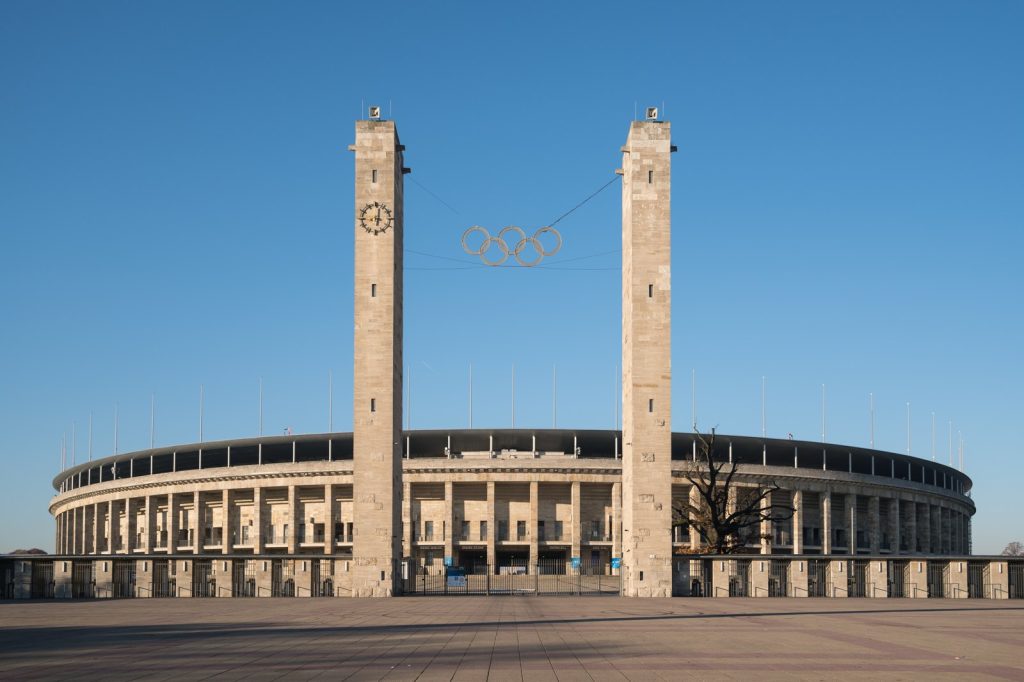
That perfect record, achieved without a stumble, points to a sustained level of performance that the rest of Europe currently cannot match. The Olympiastadion, with a capacity of 65,600, witnessed Spain lift the trophy while England watched from the losing side.
This was England’s second consecutive Euro final appearance, a milestone reached by only four previous teams: the Soviet Union, West Germany, unified Germany, and now England. However, England has yet to convert those appearances into a victory. Their first final, played at Wembley in 2021, ended in a penalty shootout loss to Italy.
The Berlin final ended in a 2-1 defeat. England has never won a major men’s tournament final played outside their own country.
The pattern is clear. England can reach the summit but cannot hold the trophy. Two finals, two losses.
The team grows, experience accumulates, but the trophy cabinet remains empty. For Spanish football, the opposite holds true.
They arrive, they win, they leave with the hardware. Spain’s first Euro win came in 1964. Their second arrived in 2008, followed by 2012, and now 2024. Three titles in the last five editions.
This is not merely a golden generation; it is a golden era spanning decades. Their consistency across different decades, different squads, and different coaches points to an institutional strength that most other nations lack.
The 2024 final was the seventeenth edition of the quadrennial European Championship, which began in 1960. Spain now owns nearly a quarter of all titles. Looking ahead, Spain’s young core, which dominated midfield battles and controlled possession throughout the tournament, will carry this confidence forward.
The 2026 World Cup looms. A team that can win seven straight games in a continental tournament is a team that can challenge globally.
England faces a different reckoning. Two finals in a row is progress, but progress without a title eventually becomes a ceiling. The Soviet Union reached consecutive finals in 1960 and 1964.
West Germany did it in 1972, 1976, and 1980. Germany repeated the feat in 1992 and 1996.
Spain themselves went back-to-back in 2008 and 2012. Every one of those teams won at least one of those finals, except the Soviet Union. England now sits in that company — the company of runners-up.
The question is whether they can break through or whether this becomes the defining story of their era. For now, the numbers speak plainly.
Spain: four titles. Germany: three. Everyone else: chasing.
The 2024 final did not just decide a champion. It redrew the hierarchy of European football.
At the top, alone, stands Spain.




