More than 1,100 promotional videos, about $1.9 million in trades that never happened. That is the picture a Wall Street Journal investigation paints of Polymarket’s influencer campaign, which ran from December 2025 to May 2026.
According to the Journal, the prediction market paid college-age content creators to post the videos. The trades on screen were fabricated, shown on replica versions of the Polymarket website rather than the real platform. Creators allegedly displayed fake profits of nearly $900,000 while hiding their financial tie to the company. The report said they were told not to disclose the payments, so the clips would read as ordinary posts.
The staged content also left out the other side. By the Journal’s account, it hid potential losses that could have exceeded $166,000, and gave viewers the impression big wins were common.
Polymarket has not publicly confirmed the allegations. After the story ran, the company started an internal review of its promotional activities and has not released the findings.
An old regulator
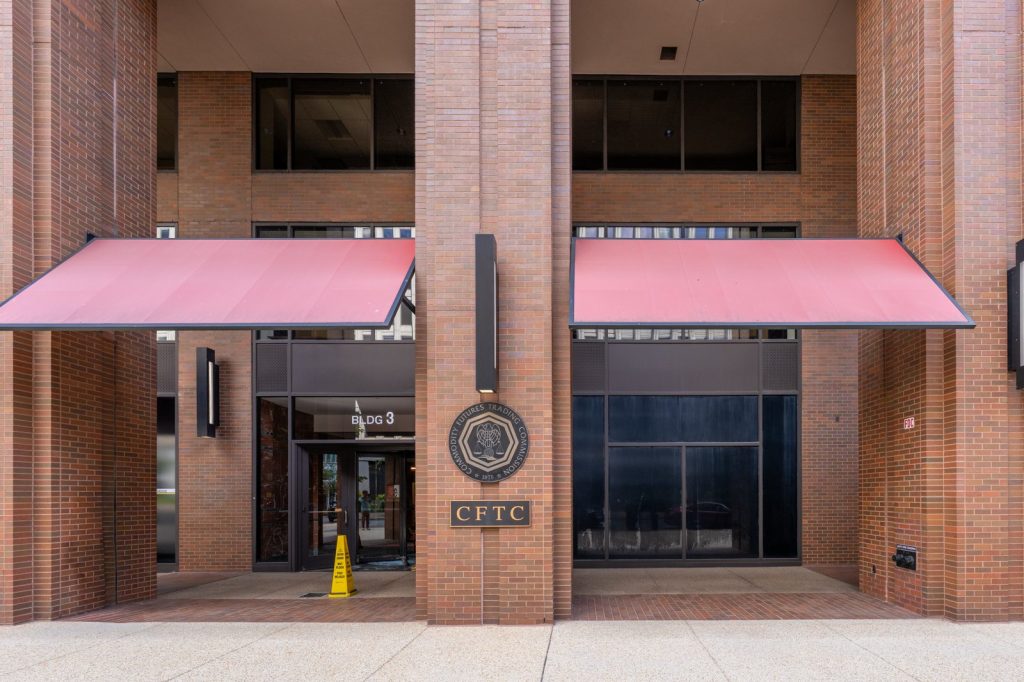
The company has been here before. In 2022 it settled with the CFTC, paying a $1.4 million civil penalty and agreeing to stop offering services to US users.
The new scrutiny arrives as prediction markets boom. DefiLlama data showed Kalshi with nearly $9.4 billion in June trading volume, up from about $5.3 billion in May, during the 2026 FIFA World Cup. Polymarket International rose to roughly $4.3 billion from about $3.5 billion. Canada’s Round of 16 match against Morocco drew more than $48 million in trading on Kalshi and over $26.8 million on Polymarket.
Nearly a dozen US states have taken action involving platforms such as Kalshi and Polymarket, and European regulators have reminded firms that some event contracts may already fall under existing financial rules.
CFTC Chair Michael Selig has taken aim at the states. “To any state that seeks to nullify federal law and seize authority over these markets, we will see you in court,” he said.