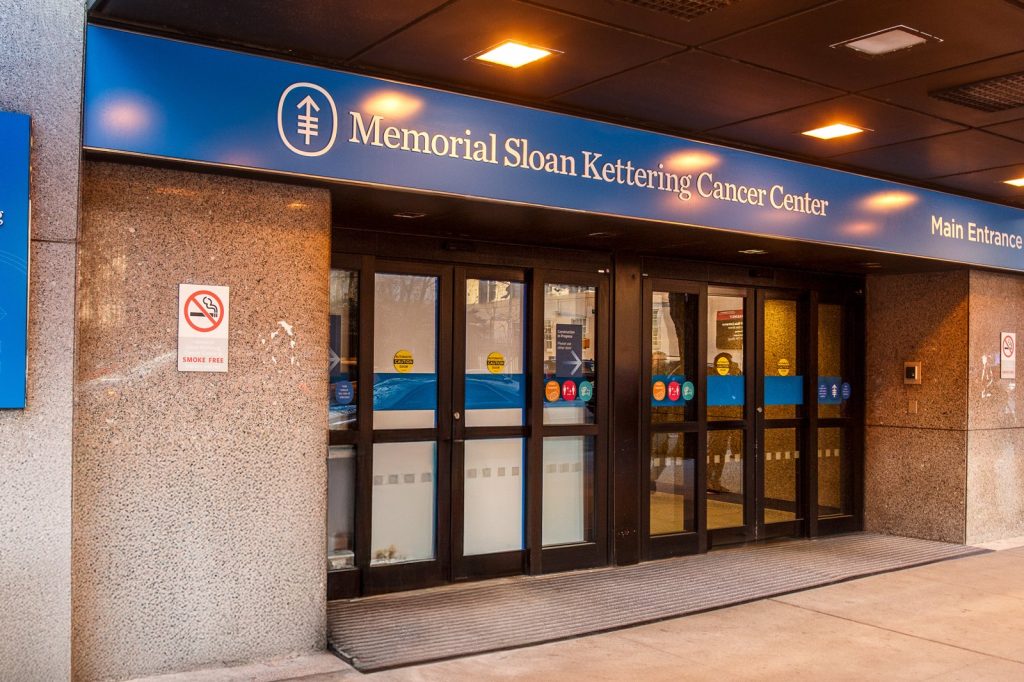
Researchers are now testing a redesigned immunotherapy antibody, 2141-V11, against bladder cancer, prostate cancer and glioblastoma, all hard to treat. Nearly 200 patients are enrolled across phase 1 and phase 2 studies run with Memorial Sloan Kettering Cancer Center and Duke University. The trials follow a small first study in which tumors shrank in six of twelve patients with metastatic cancer.
Why this drug is being tried again
2141-V11 belongs to a family called CD40 agonist antibodies. CD40 is a receptor on immune cells, and switching it on prompts the body to produce cancer-targeting T cells. Older drugs of this type caused widespread inflammation, low platelet counts and liver damage, even at low doses. The version developed in Jeffrey V. Ravetch’s lab at Rockefeller University is modified to bind tightly to human CD40 and engage a specific Fc receptor, which made it about ten times more effective at triggering an immune attack in laboratory studies.
The delivery changed too. Because CD40 receptors are found throughout the body, intravenous doses reached many healthy cells. The team injected the drug into tumors instead. In the phase 1 study, reported in Cancer Cell in 2025, two patients, one with melanoma and one with breast cancer, had complete remission. Tumors that were not injected shrank as well. “Seeing these significant shrinkages and even complete remission in such a small subset of patients is quite remarkable,” said Juan Osorio, the first author and a medical oncologist at Memorial Sloan Kettering. Ravetch called a systemic response from a local injection “not something seen very often in any clinical treatment.”
What the new trials are testing
In bladder cancer, a phase 1/2 study is looking at the safety and tolerability of the drug and the highest dose that can be given safely. It enrolls people whose cancer has not invaded the bladder wall muscle, has returned after BCG therapy and will not be removed surgically. The drug is delivered through a catheter straight into the bladder.
The prostate study is a phase 2 trial in men before a radical prostatectomy. Those with intermediate-risk disease receive 2141-V11 alone. Men with high-risk localized or low-volume metastatic disease get it together with androgen deprivation therapy, which lowers the hormones that fuel the cancer, and with drugs such as enzalutamide, apalutamide and darolutamide, which block the effects of hormones. Surgeons then remove the prostate and some nearby lymph nodes, and radiation may follow if the study doctor thinks it is needed. The hope is that adding the antibody to standard treatment before surgery works better than standard treatment alone and lowers the chance of recurrence. Studies in glioblastoma are also under way.
One goal is to learn why some patients respond and others do not. Both patients whose cancer vanished had high T cell clonality at the start, a hint that the immune system must meet certain conditions. Ravetch noted that only 25 to 30 percent of patients usually respond to immunotherapy.
These are early-stage studies, and each has strict eligibility rules tied to the cancer type and the patient’s history. The findings so far are encouraging, not proof. Anyone who wonders whether a trial might fit should talk to their doctor and consult their oncology team.
Sources
- A Phase 2 Study of a Presurgical CD40 Agonist (2141-V11) Plus Standard Treatments in People With Prostate Cancer
- A Phase I Study of 2141-V11 Immunotherapy in People with Non-Muscle Invasive Bladder Cancer that Did Not Respond to Standard Treatment
- Scientists inject one tumor and watch cancer vanish across the body
- The rockefeller university
Photo: Kenneth C. Zirkel (CC BY-SA 4.0)