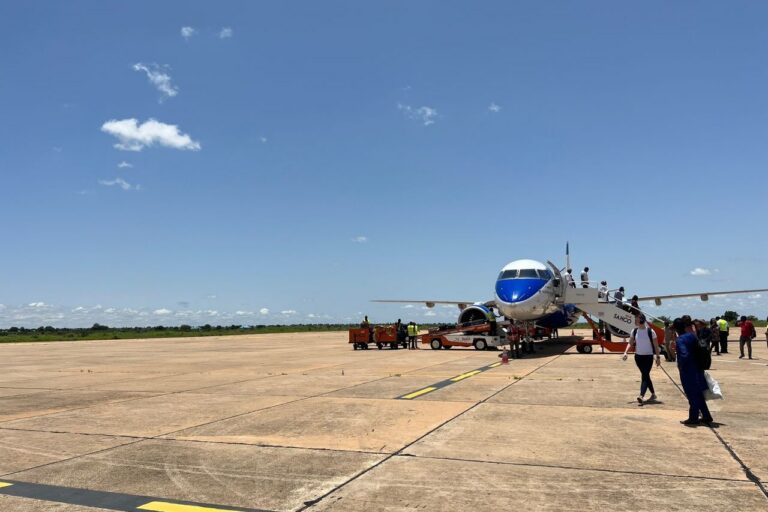
The Federal Aviation Administration’s nationwide flight grounding on Friday has forced college football conferences into a complex logistical chess match, scrambling to reschedule games and re-route teams by bus as the regular season nears its critical conclusion. The unprecedented disruption has placed a spotlight on the delicate balance between athletic competition and the fragile infrastructure that supports it.
The Grounding and Its Immediate Impact
The Federal Aviation Administration paused all flights across the nation on Friday “due to extraordinary circumstances and for reasons of safety,” according to the Associated Press. The grounding, prompted by communication problems, immediately stranded numerous teams en route to their weekend matchups. Airport staff informed administrators that the pause could last eight more hours, prompting several teams to return to campus rather than remain in limbo.
As of Friday evening, the situation was in a state of flux. Many teams had already reached their destinations before the FAA’s announcement, shielding them from the initial wave of disruption. However, for those still grounded, the calculus shifted rapidly. According to On3, 14 teams were still unable to fly. The most pressing challenges emerged for teams with early kickoff times, including Tennessee heading to Texas A&M for a 3 p.m. ET start, Tulane traveling to Rice for a 2 p.m. ET start, and Kansas State heading to TCU for a 2 p.m. ET start.
The Strategic Shift to Buses and Beyond
With air travel off the table, the strategic response was a swift pivot to ground transportation. At least three teams confirmed they would change their original travel plans to take buses. Auburn is heading to Mississippi State for its 12 p.m. ET Saturday start, Purdue is busing to Iowa for a 7:30 p.m. ET start, and North Texas is traveling by bus to UTSA for a 9 p.m. ET start. This shift, while disruptive, represents a direct and practical solution to an immediate crisis, ensuring the games could proceed as scheduled, albeit with significant logistical strain on the programs involved.
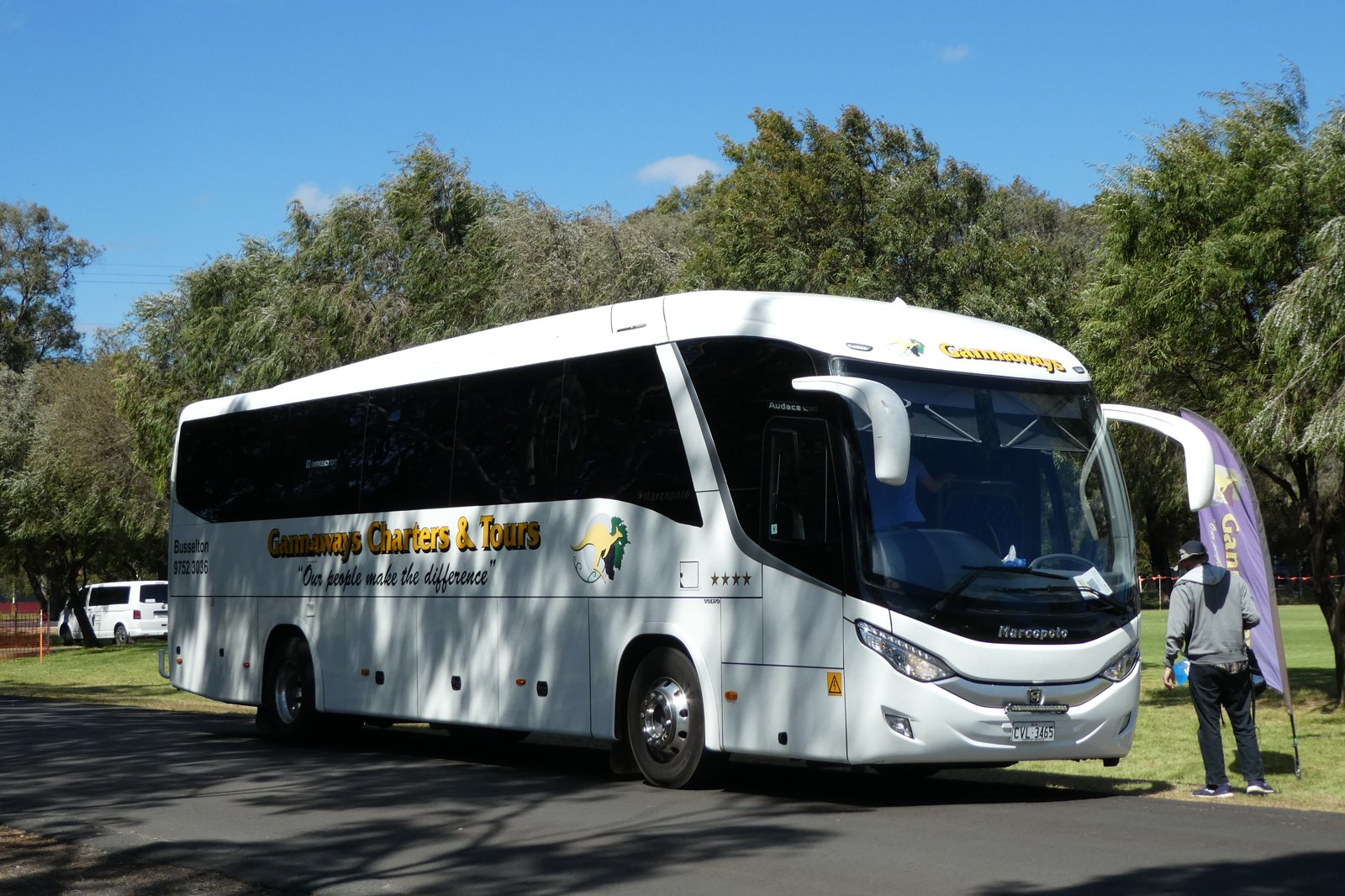
The broader stakes, however, extend beyond the inconvenience of a bus ride. For a sport where every game can impact a team’s national standing and a conference’s reputation, the potential for forfeits or cancellations is a major concern. The situation has forced conference officials and athletic departments to act with speed and precision, demonstrating the resilience built into a system accustomed to managing variables like weather and injuries, but rarely something on this scale.
Conference Calculus: Kickoff Times and Television Partners
As teams scrambled for transportation, a parallel effort was underway to manage the downstream effects on game schedules and broadcast commitments. Conference officials are in dialogue with media partners about adjusting kickoff times for impacted games and potentially swapping time slots to accommodate the new reality of team arrivals. This is a critical step, as the broadcast schedule is a carefully constructed element of the sport’s ecosystem, involving massive television contracts and national audiences.
ET kickoff on ESPN, adds another layer of complexity. While the game itself is affected by the travel disruption, the surrounding ESPN broadcast window is not currently impacted, leaving the network’s plans unclear. This highlights the intricate dance between on-field logistics and off-field commercial interests, where the decision-making process must satisfy both the need for competitive fairness and the contractual obligations to broadcast partners.
The Path Forward and NCAA’s Role
The NCAA is working as fast as it can to figure out logistics surrounding the ongoing situation, according to reports. This federal-level intervention underscores that while conferences have considerable autonomy, they operate within a national framework that can be suddenly and unpredictably altered by events outside their control. The response to this crisis will likely set a precedent for how future travel disruptions are handled, testing the flexibility of conference bylaws and the contingency plans of athletic departments.
Ultimately, the FAA grounding has forced college football into a real-world stress test. The ability of conferences to reschedule games, secure alternative transportation, and communicate with stakeholders will be measured in the coming days. For the 14 teams still grounded and the many more watching their travel plans unravel, the focus is singular: ensure the games go on, navigating a complex geopolitical chessboard where the safety of the skies dictates the schedule on the gridiron.
Sources
- College football
- CFP Selection Committee Releases Second Rankings of 2026 – College Football Playoff
- College football Week 10: Recaps, highlights, scores, rankings
- Projecting the second College Football Playoff Rankings: How high should Notre Dame climb?
- Every college football Top 25 score and result from Week 10’s games
- Multiple college football start times could move amidst FAA pausing flights
Photo: Kayusyussuf (CC BY-SA 4.0)