HARARE, November 15, 2026 — Electric three‑wheelers are replacing long walks for rural women in Zimbabwe, turning a daily trek into a profitable business and a lifeline to health care.
From Footpaths to “Hamba”
The electric vehicle revolution in Zimbabwe began on rural dirt paths, where three‑wheeled vehicles now haul cabbages, tomatoes and patients alike. The vehicles, called “Hamba” – Ndebele for “go” – were introduced by the social enterprise Mobility for Africa in 2019.
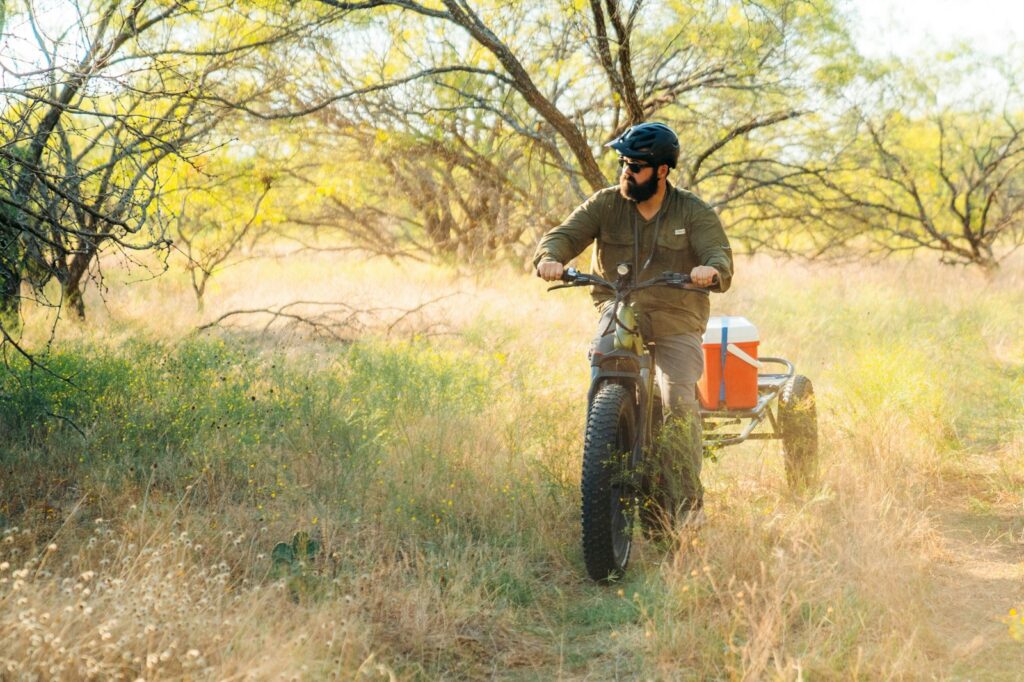
Designed primarily for rural women entrepreneurs, the Hamba tricycles are solar‑charged, lithium‑ion powered and can carry over 400 kg (880 lb). A single charge lets them travel about 100 km (62 mi), enough to reach markets and clinics without refueling.
Economic Transformation for Women
Take 56‑year‑old farmer Agefi Mutambo. Before 2021 she walked seven to ten kilometres (4.3‑6.2 mi) each day, balancing a 20‑kg (44‑lb) bucket of tomatoes on her head and earning just $6 per trip. Since acquiring a Hamba, she makes two to three deliveries a week, transporting 300 kg (661 lb) of produce per trip and grossing roughly $80 each time. The extra income supports her family and lets her sell fresh tomatoes to schools and clinics.
Mutambo also uses the tricycle to ferry neighbours to hospitals, sometimes at midnight for a woman in labour. “When my battery is low, I simply swap it for $4, and I am back on the road,” she says.
How the Lease‑to‑Own Model Works
Mobility for Africa offers the Hamba under a lease‑to‑own scheme that costs about $30 a week. Drivers pay a modest weekly fee, swap depleted batteries for a $4 replacement, and keep the vehicle until they own it outright. The swappable‑battery system eliminates downtime, a crucial advantage on dirt roads where charging stations are scarce.
Infrastructure Solutions
Solar‑powered charging stations dot the countryside, providing clean energy for the lithium‑ion packs. Because the batteries can be exchanged on the spot, drivers do not need to wait for a full charge, keeping market stalls supplied and emergency trips possible.
Impact on Health Care and Market Efficiency
Beyond boosting earnings, the tricycles improve health outcomes. Faster transport means patients reach clinics sooner, and fresh produce reaches schools, enhancing nutrition. The ability to move larger loads reduces the number of trips needed, cutting travel time and fuel costs for the community.
“The practical upshot is that a woman who once spent hours walking now runs a micro‑enterprise and saves lives,” notes Mobility for Africa.
Next battery‑swap station is slated to open in the district of Gokwe on December 5, 2026.
Sources
- Africa is charting a different road to electric mobility with motorbikes and versatile 3-wheelers – Newsday
- Electric motorcycles and scooters
- Electric motorcycles are getting gearboxes – didn’t we get rid of those?
- LiveWire just showed off its biggest electric motorcycle lineup yet
- Juneau Assembly to vote on city-wide e-motorcycle regulations on Monday
- Man on electric dirt bike struck, killed in hit-and-run in Philadelphia's Germantown section: Police
Photo: Denago eBikes / Unsplash (Unsplash License)