
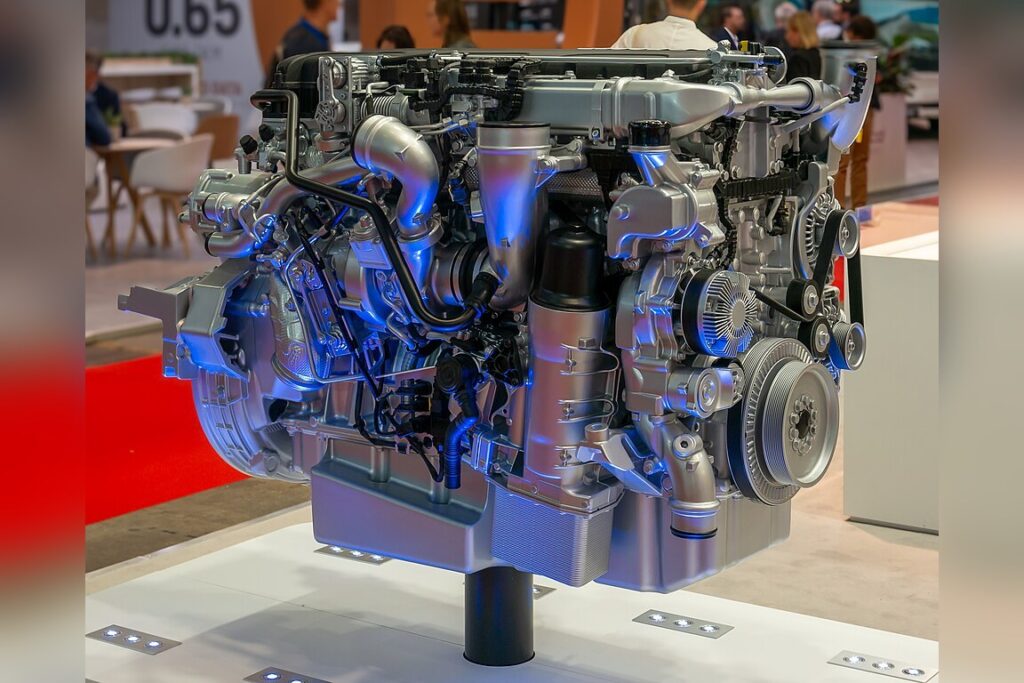
WASHINGTON — Diesel engines have long been the workhorses of global commerce, powering everything from delivery trucks to cargo ships. But the technology’s relationship with the environment has always been complicated. Modern diesel engines have achieved thermal efficiencies of up to 50%, compared to 35% for gasoline engines, through turbocharging and electronic fuel injection.
That’s a huge advantage for fuel economy. The problem, in plain terms, is what comes out of the tailpipe.
Diesel exhaust contains particulate matter and nitrogen oxides, or NOx. These pollutants are linked to respiratory diseases. For years, regulators have been trying to clean up the technology.
The U.S. Environmental Protection Agency’s Tier 4 emissions standards, phased in from 2008 to 2015, were a major step. They reduced NOx emissions by 90% and particulate matter by 95% compared to pre-2000 engines.
That’s a dramatic improvement on paper.
The scandal that changed everything
Then came Dieselgate. In 2015, the Volkswagen scandal revealed that 11 million vehicles had software designed to cheat emissions tests. The fallout was enormous: $30 billion in fines and settlements.
The practical upshot for the industry was a crisis of trust. If you couldn’t trust the emissions numbers, what could you trust?
The system was broken, and the public knew it. Consumer confidence in diesel never fully recovered. By 2023, diesel’s share of new passenger car sales in Europe had fallen to 15%, down from 55% in 2011.
That’s a collapse driven by both stricter regulations and the rapid growth of electric vehicles. For the average car buyer, diesel no longer made sense.
Where diesel still rules
But the story is different for heavy transport. While battery-electric trucks are projected to reach 10% of new sales by 2030, diesel is expected to remain dominant for long-haul trucking and shipping through 2040. The reason is simple physics.
Batteries are heavy, and charging infrastructure for big rigs is still sparse. For a truck hauling freight across the country, diesel’s energy density is hard to beat.
So what does this mean for the environment? The gains from cleaner engine standards are real, but they only go so far. The millions of older diesel engines still on the road and water will continue emitting for years.
And while electric alternatives are coming, they are not coming overnight. The practical challenge for regulators and manufacturers is managing this long transition — keeping the economy moving while pushing for cleaner air.
The next few years will tell us whether battery technology can catch up to the demands of heavy transport, or whether diesel will remain the backbone of global trade for decades to come.




