
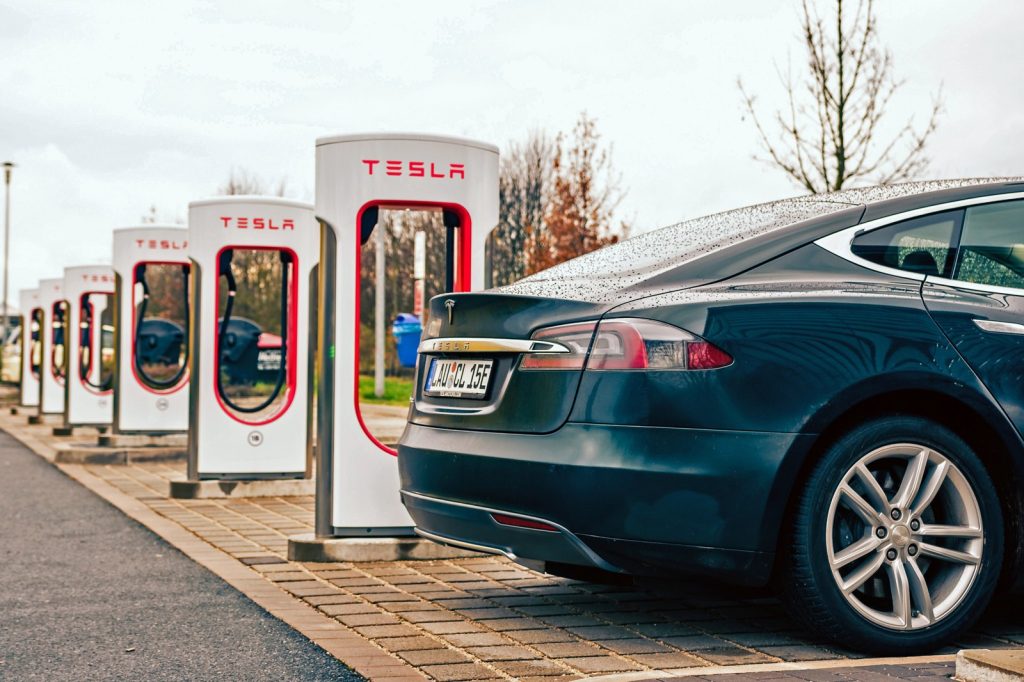
SACRAMENTO, CALIFORNIA, October 17, 2026 — Governor Newsom’s MyFirstEV rebate program has helped nearly 12,000 Californians switch to electric cars, but despite high gas prices, EV sales in the state have stalled. The program’s impact on the market is a complex issue, with various factors at play, including affordability and infrastructure barriers.
Understanding The Myfirstev Rebate Program
The MyFirstEV rebate program offers $3,500 off new zero-emission vehicles under $50,000 and $1,750 off used zero-emission vehicles under $25,000, applied at the point of sale with no application required, according to the Governor of California. This program is funded by a $135.5 million state investment matched by automakers, resulting in a total of $271 million in savings for California families. The program is open to first-time zero-emission vehicle buyers, but excludes repeat EV purchasers, unlike some federal incentives.
Comparing California’s Incentives To Other States
California’s rebate is more generous than most states’ incentives, but lags behind Canada’s $2 billion home-retrofit program, which aims to cut energy costs and emissions by retrofitting 1 million homes, as reported by the Government of Canada. The Canadian program also includes a $258.6 million investment in the Sectoral Workforce Innovation Fund to address critical skilled labor shortages in the clean energy sector. In contrast, California’s focus remains on direct consumer rebates, with participating automakers including Ford, GM, Toyota, Tesla, Rivian, and Volvo.
The Technical Reality Of Ev Adoption
The technical reality of EV adoption is that high upfront costs and charging gaps are significant barriers to widespread adoption. The average transaction price for a new U.S. vehicle is $50,562, while the average new EV costs $55,879, according to Kelley Blue Book. This price gap, combined with range anxiety and limited charging infrastructure, makes EVs less appealing to many buyers, despite the potential fuel savings. As Karl Brauer, executive analyst at iseecars.com, noted, “Even with seven, eight months of elevated gas prices, we are not seeing a big change in purchasing behavior toward electric vehicles.”
What’s Next For Ev Adoption In California
Despite the challenges, California’s EV market share remains significant, with 2.8 million zero-emission vehicles already on the road. However, the state’s goal of achieving 40% or more EV market share by 2025 remains elusive, with the current market share at 19.1%. The detail that matters is that the MyFirstEV rebate program has only reached a limited number of potential buyers, with only 12,000 rebates issued to date. As ever, the key to increasing EV adoption will be addressing the underlying affordability and infrastructure barriers, rather than just relying on rebates and incentives.
Federal Tax Credit Expirations Undermine California’s EV Push
The expiration of federal tax credits in January 2026 played a critical role in California’s EV sales stall, despite the state’s aggressive rebate program. According to the California New Car Dealers Association, third-quarter 2026 EV market share (17.3%) was nearly half the 28.7% share recorded in Q3 2025, when buyers rushed to claim pre-expiration credits. The loss of federal incentives—combined with California’s $3,500 rebate being less than the prior $7,500 federal credit—created a net financial disincentive for many consumers. The average new EV price of $55,879, as reported by Kelley Blue Book, further widened the affordability gap when state rebates alone no longer offset the upfront cost premium over gas-powered vehicles.
Analysts like Karl Brauer of iSeeCars.com emphasized that the absence of federal support neutralized the impact of high gas prices, which had briefly spiked to $6.27/gallon in October 2026. “Even with seven, eight months of elevated gas prices, we are not seeing a big change in purchasing behavior toward electric vehicles,” Brauer noted. The data from Experian Automotive confirmed this trend: combined EV and plug-in hybrid sales in Q3 2026 (20.2%) were nearly identical to Q2 2026 (20.4%), despite gas prices remaining historically high. The disconnect highlights how federal policy shifts—rather than local incentives—often dictate consumer decisions in the EV market.
California’s MyFirstEV program, while successful in serving 12,000 first-time buyers, failed to compensate for the broader loss of federal incentives. The state’s $135.5 million investment, matched by automakers, delivered $271 million in total savings—but this was insufficient to offset the $4,000+ gap left by expired federal credits. The program’s exclusion of repeat EV buyers also limited its reach, as many potential adopters had already purchased electric vehicles under prior incentives. Without federal support, California’s rebate became a secondary, rather than primary, driver of EV adoption.
California’s EV Market Share Holds Steady Despite Rebate Program’s Limited Reach
The MyFirstEV rebate program’s 12,000 issued rebates represent just a fraction of California’s 2.8 million zero-emission vehicles (ZEVs) already on the road, underscoring how deeply entrenched EV adoption has become in the state. According to the California Energy Commission, ZEVs accounted for 19.1% of new car sales in Q3 2026—a figure that, while strong, reflects a plateau rather than growth. The 12,000 rebates issued since the program’s August launch represent less than 0.5% of California’s total registered ZEVs, meaning the majority of EV owners in the state purchased their vehicles under prior incentives, including federal tax credits that expired in January 2026.
Plug-in hybrids (PHEVs) have shown even less responsiveness to the rebate program, capturing just 2.9% of new sales in Q3 2026—a slight uptick from 2.5% in Q2 but far below the 28.7% combined EV/PHEV share recorded in Q3 2025, when federal incentives were still in effect. The data from the California New Car Dealers Association reveals that while the MyFirstEV program has successfully served first-time buyers, it has done little to accelerate adoption among repeat EV purchasers or those considering PHEVs, who may still perceive the upfront cost premium as prohibitive despite potential fuel savings.
The program’s exclusion of repeat buyers—unlike federal incentives—has further limited its impact. As Karl Brauer of iSeeCars.com noted, “Many potential adopters had already purchased electric vehicles under prior incentives,” meaning the rebate’s reach was inherently constrained from the outset. Meanwhile, the state’s 2.8 million ZEVs on the road reflect a market where early adopters have already committed, leaving later-stage buyers less incentivized to switch without broader policy support. The disconnect between the program’s modest issuance and California’s existing EV fleet highlights how rebates alone cannot sustain momentum without addressing infrastructure gaps and affordability barriers.
Sources
- Even with high gas prices, EV sales in California are flat
- Governor Newsom helps nearly 12,000 Californians switch to electric cars, leaving Trump’s skyrocketing gas prices in the rearview mirror | Governor of California
- The Government of Canada highlights workforce investments and measures to lower energy costs and reduce emissions
Photo: Charles Ommanney – Office of the Governor of California (Public domain)




