
NEW YORK, June 29 — For families trying to make sense of two booming industries that look almost identical on the surface, the human side of the story often gets lost in the jargon. Prediction markets and sports betting both involve money, belief, and odds on future outcomes. Prices shift when news breaks.
Some users dive in because they trust their own judgment. But behind the breakthrough in understanding these markets is a crucial distinction that affects everyone from casual fans to patients following a clinical trial.
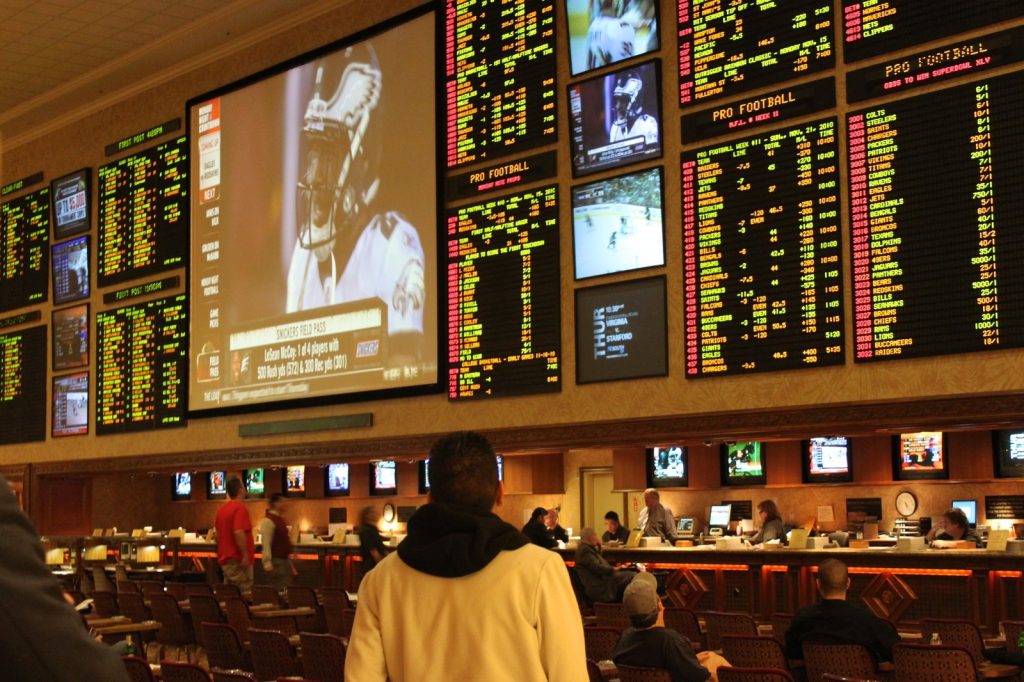
The core difference comes down to what each activity measures. Sports betting wagers on a specific game or match outcome within a defined timeframe. A bet on a football game settles when the final whistle blows.
Prediction markets, by contrast, trade contracts on broader future events—whether a drug will win FDA approval, which candidate will win an election, or when a ceasefire will take effect. For the people involved, this matters deeply.
A bettor in a sportsbook is making a probabilistic guess about a single contest. A trader in a prediction market is essentially participating in a real-time forecasting tool that aggregates collective wisdom. The source material notes that prediction markets have shown “accuracy superior to polling in elections, sales forecasting, and even disease tracking.” What this means for patients and families is where the story gets personal.
Prediction markets have been used to forecast the spread of infectious diseases and the likelihood of vaccine approvals. When someone trades a contract on a health outcome, they are not just gambling—they are contributing to a data set that researchers and public health officials watch. The regulatory landscape separates these worlds entirely.
Sports betting is legal in many states and falls under state gambling commissions. Prediction markets face a different legal reality.
The Commodity Futures Trading Commission regulates event contracts, and a proposed rule would ban certain political prediction contracts. Kalshi, a major prediction market platform, sued the CFTC over the agency’s refusal to allow election contracts. The human side of this regulatory fight is about access.
If prediction markets are classified as gambling, they could face the same restrictions as sportsbooks. If they are treated as financial forecasting tools, they remain open to a wider audience.
Behind the breakthrough in prediction market accuracy lies a simple truth: money motivates careful thinking. When people have skin in the game, the source explains, they research more thoroughly and update their beliefs faster than poll respondents or pundits. What to watch next is the legal battle over how these markets are classified.
The outcome will determine whether prediction markets remain a tool for forecasting everything from disease outbreaks to election results, or whether they get pushed into the same regulatory box as sports betting. For now, the two industries look similar, but the people they serve and the futures they predict are fundamentally different.




