
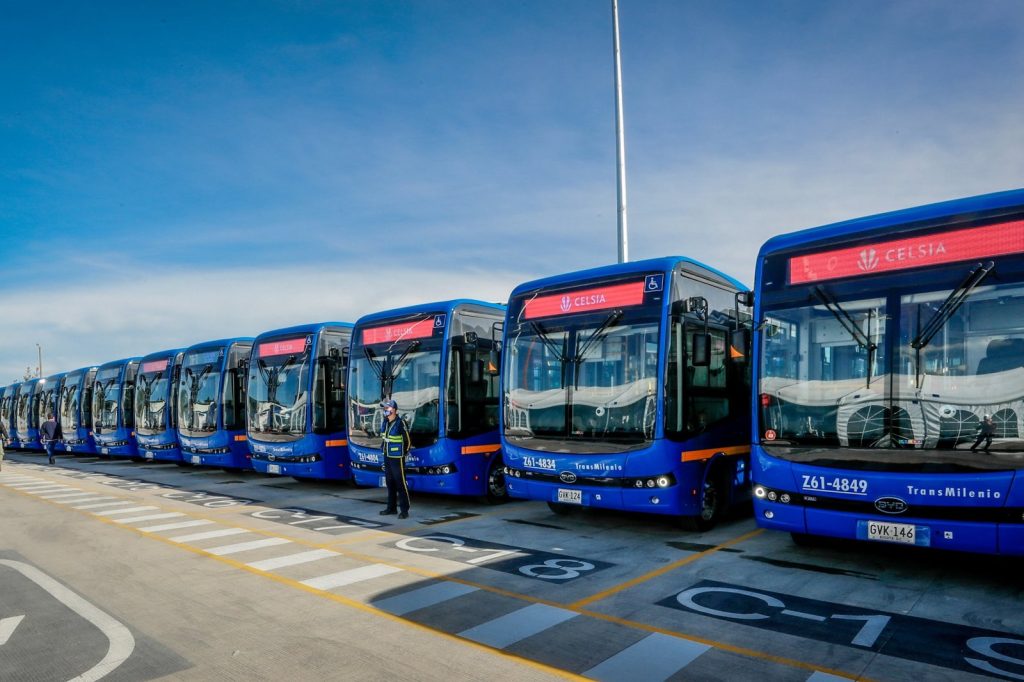
For years, Bangladesh did the opposite of what it just announced. Electric vehicles carried tax burdens so heavy they were effectively priced out of the market. Diesel ruled.
The air in Dhaka and Chattogram grew thick with exhaust from thousands of buses and trucks. Now the government has flipped the policy entirely.
Finance minister Amir Khasru Mahmud Chowdhury presented the budget for the fiscal year starting July 1. He proposed zero tariffs on imports of electric buses and trucks. He proposed a complete waiver on charging station equipment.
He proposed higher taxes on fossil-fuel-powered vehicles. The package runs until June 30, 2030.
This did not come from nowhere. The backstory is one of mounting death tolls and a transport sector that kept burning dirty fuel. According to UN estimates, more than 235,000 people die every year in Bangladesh from complications due to air pollution.
Hundreds of thousands more live with asthma and other respiratory diseases. The finance minister himself said the transport sector contributes 9% of greenhouse gas emissions. He said that in his budget speech on June 11.
The old policy taxed EVs heavily. Importers faced steep duties.
No charging network existed because the equipment carried a 39.75% total tax incidence. That rate is now zero. Solar energy production equipment also enters at zero tariffs.
Registration fees for EVs have been reduced. At the same time, tariffs on fossil-fuel-powered transport went up.
The government created a price wedge. The intention is clear: push fleet operators away from diesel. This is the first coordinated government initiative to modernise Bangladesh’s transport system, according to the finance minister.
It is a reversal. It is also a recognition that piecemeal measures had failed. Dhaka and Chattogram are mega-cities.
Diesel-run buses and trucks have aggravated air pollution there for decades. The human toll is stark.
The numbers are not abstract. 235,000 dead per year. That is the context for a zero-tariff policy on electric buses. Chowdhury said in parliament that a nationwide charging network is essential for the smooth operation of electric vehicles.
He proposed reducing the total tax incidence on EV chargers and charging stations from 39.75% to 0%. That is a full exemption except for value-added tax.
The incentives cover not just vehicles but the infrastructure to support them. Solar equipment enters duty-free. The logic is that charging stations need power, and solar can supply it without adding to grid emissions.
Analysts say the move could reshape transport markets across South Asia. That is a large claim. But Bangladesh is not a small market.
Its transport sector is massive and heavily reliant on imported fuel. Shifting that fleet to electricity would change regional demand patterns.
The old approach taxed EVs as luxuries. The new approach treats them as necessities. The difference is policy.
The driver is pollution. The deadline is 2030.
Whether the incentives work depends on execution. Importers need to bring in vehicles. Charging stations need to be built.
Fleet operators need to buy in. The government has created the price signal. The rest is logistics.
For now, the direction is clear. Bangladesh spent years taxing the solution.
It has stopped.




