
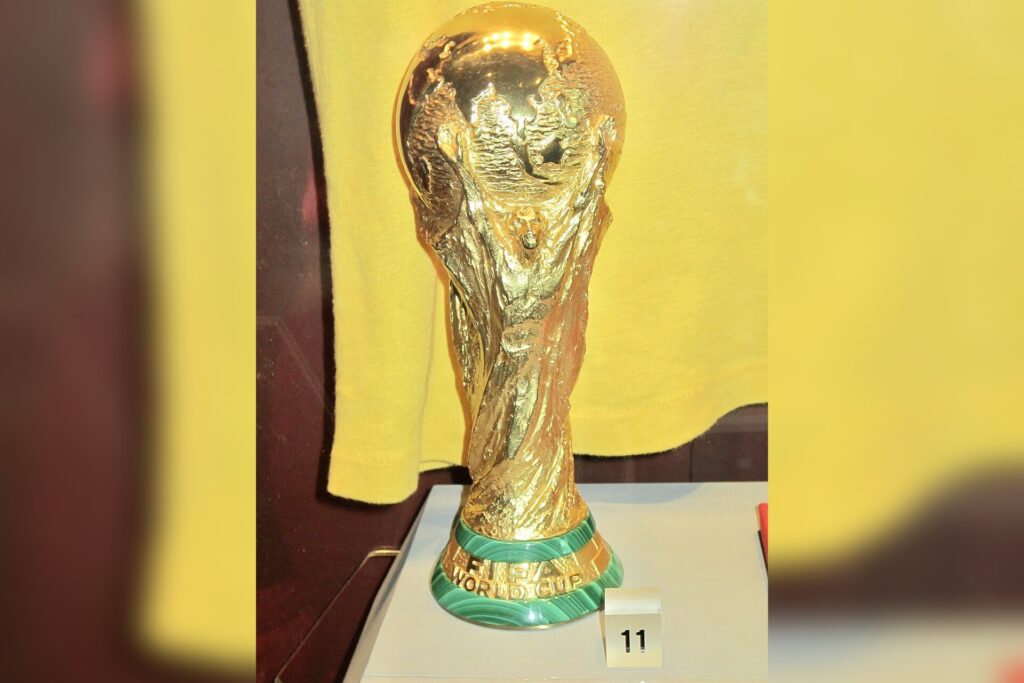
MILAN, July 9 — For the sportswear giants, the World Cup is more than a tournament. It is a financial engine that, every four years, sends billions of dollars flowing through merchandise, sponsorships and marketing campaigns. The 2022 edition in Qatar was no exception, and new transaction data offers a rare, granular look at which brand actually won the battle at the register.
The data, compiled by M Science from anonymized credit and debit card transactions, tells a clear story. Adidas led the pack in year-over-year sales growth during the 2022 World Cup period.
The finding is significant because it moves beyond corporate earnings calls and into the real-world spending habits of fans — the people actually buying the jerseys, the boots and the replica kits. Nike and Puma also saw measurable boosts from the event. The tournament, held every four years since 1930, has long been a reliable driver of revenue for the sportswear sector.
Historical patterns show that World Cup years consistently deliver increased sales for official sponsors and licensees. The 2022 edition, hosted in Qatar, appears to have followed that established rhythm.
What makes the M Science data valuable is its specificity. By tracking actual transaction data rather than relying on surveys or self-reported spending, analysts can isolate the World Cup effect with greater precision. The anonymized credit and debit card records capture what people actually bought, not just what they said they bought.
For Adidas, the numbers represent more than a quarterly win. The German company has deep historical ties to the World Cup, supplying match balls and kits for numerous teams. The 2022 data suggests that heritage still translates into consumer behavior when the tournament rolls around.
The broader economic picture is equally striking. The World Cup generates billions in revenue through multiple channels.
Merchandise sales spike in host nations and in competing countries alike. Sponsorship deals, some worth hundreds of millions, lock brands into multi-cycle commitments. Marketing campaigns run year-round but intensify dramatically in the months leading up to and during the event.
Nike, based in Beaverton, Oregon, has invested heavily in football (soccer) in recent decades, signing top national teams and individual stars. Puma, the smaller of the three, has carved out a niche with emerging football nations and retro-inspired designs.
Both saw lifts during the 2022 tournament, but neither matched Adidas’s year-over-year growth rate, according to the M Science data. The 2026 World Cup, set to be co-hosted by the United States, Canada and Mexico, is already on the horizon. For the sportswear companies, the next cycle of planning is well underway.
The tournament will be the first to feature 48 teams, expanding the pool of competing nations and, by extension, the potential consumer base. For families watching at home, the World Cup is about passion, national pride and the joy of the game. For the companies that outfit the players and the fans, it is something else entirely — a recurring, predictable economic event that reliably moves product.
The human side of the story, as always, is that every jersey bought represents someone cheering for their team. The M Science data offers a snapshot of one tournament.
But the pattern it reveals — Adidas leading growth, Nike and Puma close behind, all three benefiting from the quadrennial surge — is one that has played out for decades. The 2022 edition in Qatar simply confirmed what the historical data already suggested. Behind the breakthrough in transaction-level analytics is a simple truth: the World Cup remains one of the most reliable economic drivers in global sport.
For the companies that make the gear, the tournament is not just a showcase. It is a business cycle all its own.
{“@context”: “https://schema.org”, “@type”: “NewsArticle”, “headline”: “World Cup Boosts Sportswear Giants’ Sales and Market Trends”, “description”: “MILAN, July 9 — For the sportswear giants, the World Cup is more than a tournament. It is a financial engine that, every four years,…”, “datePublished”: “2026-07-09T09:30:00+00:00”, “author”: {“@type”: “Person”, “name”: “James Roberto”}, “publisher”: {“@type”: “Organization”, “name”: “InfoPulse Today”, “url”: “https://newsfeed.infopulsetoday.com/”}}




