
The Mechanics of the 18-Team Standings
CHARLOTTE, November 22, 2026 — Miami and Wake Forest have secured the two berths for the December 5 ACC Football Championship Game, a matchup determined by a single, unified standings table that replaced the conference’s former divisional structure. The Atlantic Coast Conference expanded to 18 member universities in 2024 with the addition of California, Stanford, and SMU, a move that eliminated the East and West divisions and created a complex scheduling and tiebreaker landscape for its 17 football-playing members.
Under the new format, the team with the highest conference winning percentage earns the top seed, while the second-highest team claims the second berth. Miami finished the regular season with a perfect 8-0 record in ACC play, securing the top spot in the conference standings. Wake Forest finished 7-1 in conference play to secure the second championship berth. Because the conference now operates as a single entity for football purposes, the standings table includes all 17 teams that compete in the sport, creating a direct comparison of performance across a geographically dispersed field.
The expansion required a specific hierarchy of tiebreakers to resolve potential multi-team deadlocks. While the sources do not detail the full list of every possible tiebreaker scenario, the system relies on conference winning percentage as the primary metric. In the final week of the season, all 17 football-playing members competed across 11 games, ensuring that every team’s final conference record was locked in before the championship selection. This uniform approach ensures that a team’s path to Charlotte is based on its performance against the entire conference, rather than a subset of regional rivals.
The Scheduling Math and Notre Dame’s Role
A critical component of the 17-team football structure is the status of Notre Dame. The university is one of the 18 full members of the ACC but does not compete for the football championship. Notre Dame remains a conference member but maintains a special scheduling arrangement that keeps its football program independent of the ACC title race. This distinction affects the scheduling math significantly, as the 17 teams competing for the championship must navigate a slate of games that includes non-championship opponents like Notre Dame while balancing the requirements of a full conference schedule.
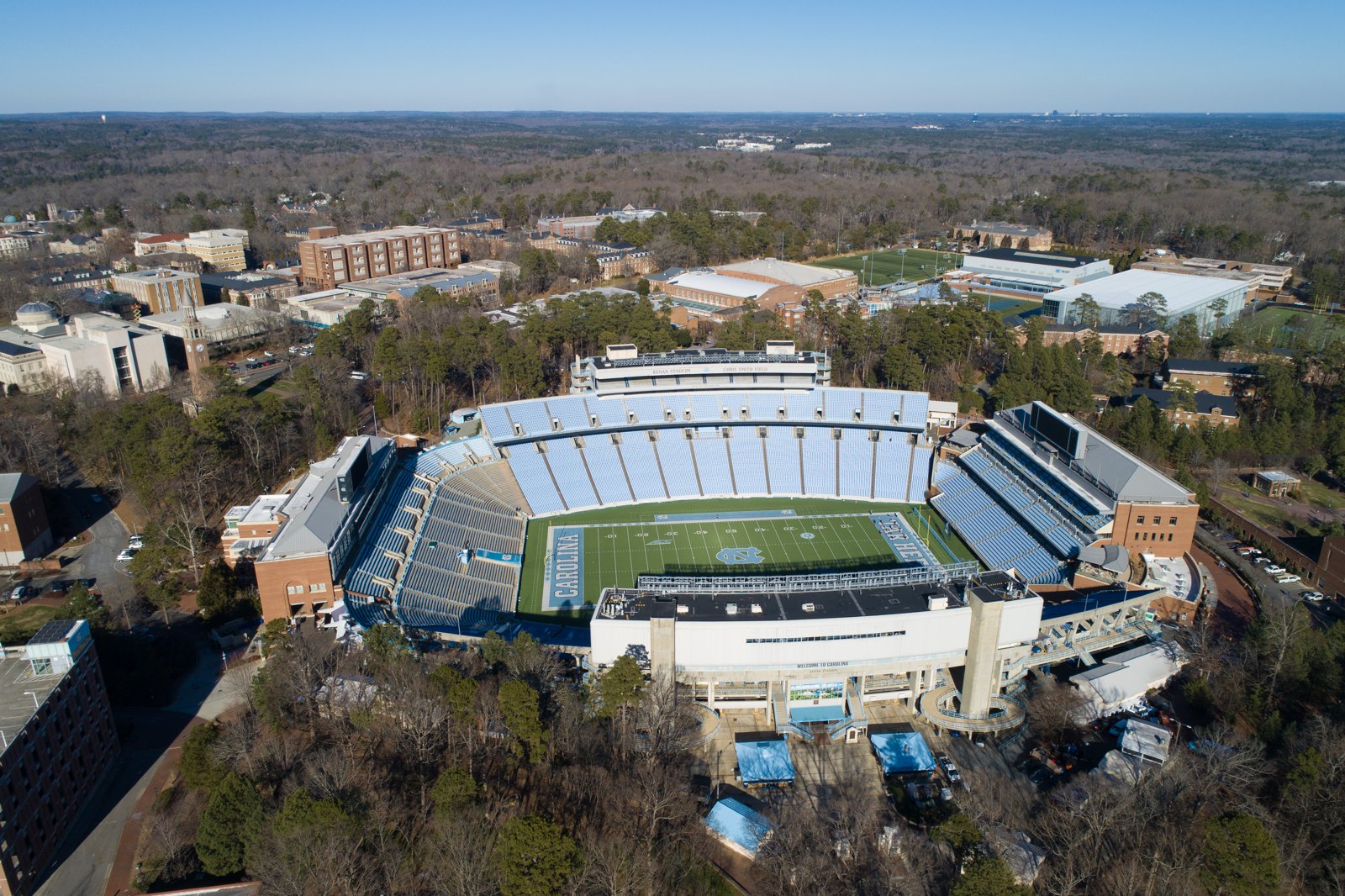
The inclusion of California and Stanford has introduced cross-country travel that was previously absent from the ACC football calendar. In Week 13, the schedule featured SMU at Stanford and Pitt at California, highlighting the logistical reality of the expanded footprint. These games are pivotal for teams aiming to maintain bowl eligibility and conference standing, as losses in such matchups can impact a team’s overall record and, by extension, its position in the single-standing table. The conference stretches from California in the west to Massachusetts in the east, a geographic span that requires careful management of travel and rest for student-athletes.
Notre Dame’s participation in the ACC schedule, including games like its matchup with Syracuse in Week 13, adds another layer to the competitive environment. Although Notre Dame is not in the title race, its performance against ACC opponents contributes to the overall strength of the conference’s schedule. For the 17 teams in the championship race, every game against a fellow member counts toward the conference winning percentage that determines their fate. The absence of divisions means there is no “in-division” cushion; a loss to any ACC opponent, whether on the East Coast or the West Coast, carries the same weight in the final standings calculation.
How the Berths Were Clinched
The path to the championship game was sealed on Saturday, November 21, when Miami defeated Virginia Tech 28-20. This victory was the final piece needed to lock in Miami’s top seed and simultaneously eliminate Louisville from championship contention. Louisville had been the only team left in the conference with any mathematical chance of advancing to the title game before Miami’s win. The result confirmed Miami’s 8-0 conference record, a perfect mark that placed them at the top of the single-standing table.
Wake Forest’s berth was secured earlier in the day with a 50-29 victory over Georgia Tech. The Demon Deacons finished the regular season with a 7-1 conference record, ensuring they held the second-highest winning percentage in the conference. Their win put them on the brink of clinching, a status that became official once Miami’s result was confirmed. The two teams, now ranked No. 5 and No. 10 in the College Football Playoff rankings, will face each other for the conference title, with the winner earning a spot in the College Football Playoff.
The regular season matchup between these two teams set the stage for the rematch. Miami defeated Wake Forest 33-20 on September 18, taking a 31-7 lead before holding on in the fourth quarter. Since that game, Wake Forest has gone 8-0, averaging a nation-leading 49.1 points per game and outscoring opponents by 37.4 points per game. This statistical dominance has fueled their rise in the standings and their confidence entering the championship game. For Miami, the 8-0 conference record marks their first perfect season in the ACC since joining the conference in 2004.
Historical Context and Stakes
The 2026 championship game is not just a contest for a trophy; it is a decisive moment for both programs’ College Football Playoff aspirations. The winner will advance to the playoff, while the loser will have to rely on an at-large berth, a path that is less certain. This high-stakes nature of the game is reflected in the teams’ recent performances and their positions in the national rankings. Miami enters as the No. 5 team in the CFP rankings, while Wake Forest is No. 11.

Wake Forest is making its third ACC title game appearance, a testament to their resurgence in recent years. Their previous appearance in 2021 ended in a 45-21 loss to Pittsburgh. The Demon Deacons’ only ACC football championship came in 2006, when they defeated Georgia Tech 9-6. For Miami, this is their second title game appearance. They lost to Clemson 38-3 in 2017 and opted out of the 2012 title game due to looming sanctions. Miami has never won an ACC football title since joining the conference in 2004, a drought that this game offers a chance to end.
The expansion of the ACC to 18 members has changed the competitive landscape, but the core objective remains the same: to determine the best team in the conference. The single-standing table ensures that the team with the best conference record, adjusted for any necessary tiebreakers, earns the right to play for the title. With the standings now finalized, the focus shifts entirely to the December 5 matchup at Bank of America Stadium in Charlotte, North Carolina.
The Path to Charlotte
The venue, Bank of America Stadium, hosts the game as part of a broader “Championship Saturday” weekend festivities in the Queen City. Fans can participate in events such as Fan Fest at Romare Bearden Park, which runs from Friday, December 4, to Saturday, December 5.
Tickets for the game are available through theACC.com and Ticketmaster, with options for premium hospitality and field-level experiences. The game is not just a local event but a national one, broadcast to an audience interested in the College Football Playoff implications. The winner will join the other top teams in the country for the playoff, while the loser will look to secure a bowl game appearance.
The format’s clarity, despite the complexity of the 18-member expansion, has allowed for a decisive conclusion to the regular season. With Miami and Wake Forest locked in, the conference has fulfilled its purpose of identifying its two best football teams. The single-standing table, the specific tiebreakers, and the scheduling arrangements have all worked together to produce a clear path to the championship. The next step is the game itself, a rematch that will decide which team gets the final say in the ACC’s 2026 football season.
Sources
- Atlantic Coast Conference
- ACC Football Week 13 TV Networks and Game Times Announced
- No. 5 Miami, No. 10 Wake Forest have a chance to reach the ACC title game this week
- ACC title game is set: It's a Miami-Wake Forest rematch in Charlotte on Dec. 5 – Newsday
Photo: Zac Gudakov / Unsplash (Unsplash License)