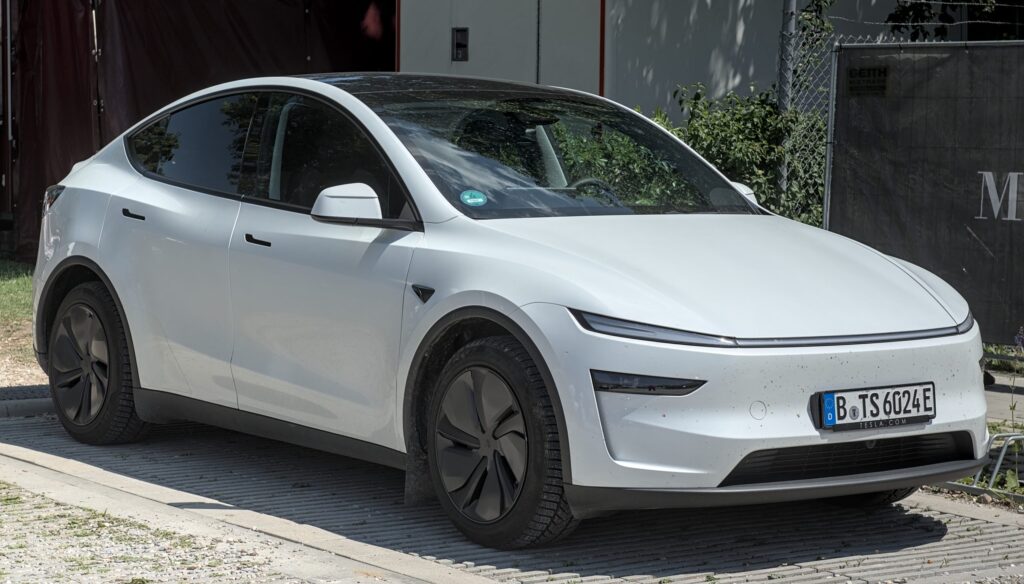
Tesla put its robotaxi service on the road in Austin on Sunday, June 22, with about 10 Model Y vehicles, a flat fare of $4.20 and a Tesla employee in the front passenger seat of every car. The driver’s seat was empty. The company calls the employee a “safety monitor.”
The launch was small by design. Only a select group of social media influencers and vetted customers got in, and Tesla sent the invitations during the week before. Many went to the company’s loudest online supporters, according to posts on X. The service runs every day from 6:00 a.m. to 12:00 a.m. in a narrowly defined part of South Austin, and Tesla says it may be limited or unavailable in bad weather.
Musk said the cars would avoid challenging intersections, and that teleoperators could step in if something went wrong. The cars run what he describes as an “unsupervised” version of Full Self-Driving. They are 2025 Model Ys, not the Cybercab Tesla unveiled in October 2024.
Early rides
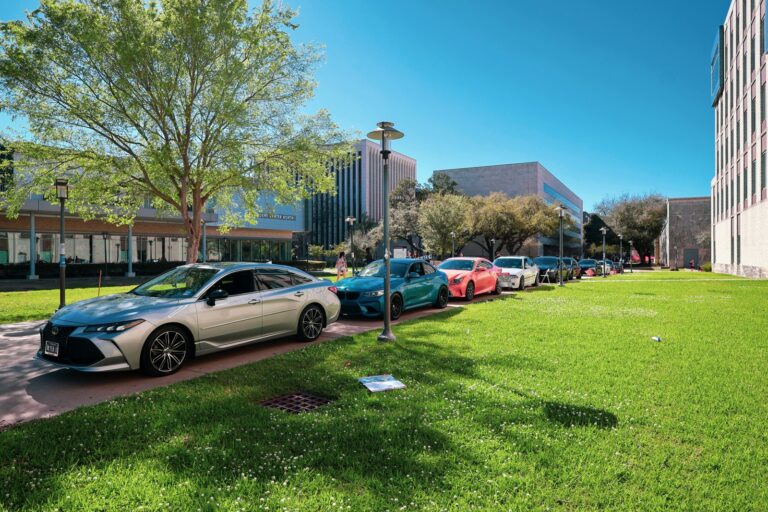
Ed Niedermeyer, author of “Ludicrous: The Unvarnished Story of Tesla Motors,” was in Austin watching the rollout. The day before launch he found what looked like a robotaxi depot, a tree-dotted parking lot near Oltorf Street. Driverless Model Ys went in and out, each with an employee behind the steering wheel.
On Sunday morning he watched a branded robotaxi, with no rider yet aboard, brake hard twice. One stop came in the middle of an intersection. TechCrunch reviewed a video of it. Both times the car was passing police vehicles parked in lots beside the road, and nobody has explained why it braked.
At least one rider reported that Tesla’s remote support team had to help at some point. The same rider later called the trip very smooth.
Regulators and records
The National Highway Traffic Safety Administration is running several investigations into Musk’s claims about Autopilot and Full Self-Driving. It sent Tesla a letter in early May asking about the technology planned for the robotaxi service. The agency said it had Tesla’s response and was reviewing it.
Tesla has also fought to keep details private. It tried to block a public records request from TechCrunch to the Texas Department of Transportation, and Reuters reported that the company tried to stop the city of Austin from answering its own request. In an April letter to the Texas Attorney General’s office, Tesla senior counsel Taylor White wrote that some of the information was “confidential information, trade secrets, and/or business information.”
What Musk has promised
Musk said this month that Tesla was being “super paranoid” about safety. He has also claimed there would be 1,000 robotaxis “in a few months” and that the service would spread to cities such as San Francisco and Los Angeles.
Investors are betting on it. Tesla shares are up about 50 percent from their low in early April, after a stretch of falling sales and a consumer backlash against Musk’s politics. Waymo, owned by Alphabet, already runs commercial robotaxis in Phoenix, Los Angeles, San Francisco and Austin.
Sources
- Tesla launches robotaxi service in Austin
- Tesla launches robotaxi rides in Austin with big promises and unanswered questions | TechCrunch
- Tesla Robotaxi