
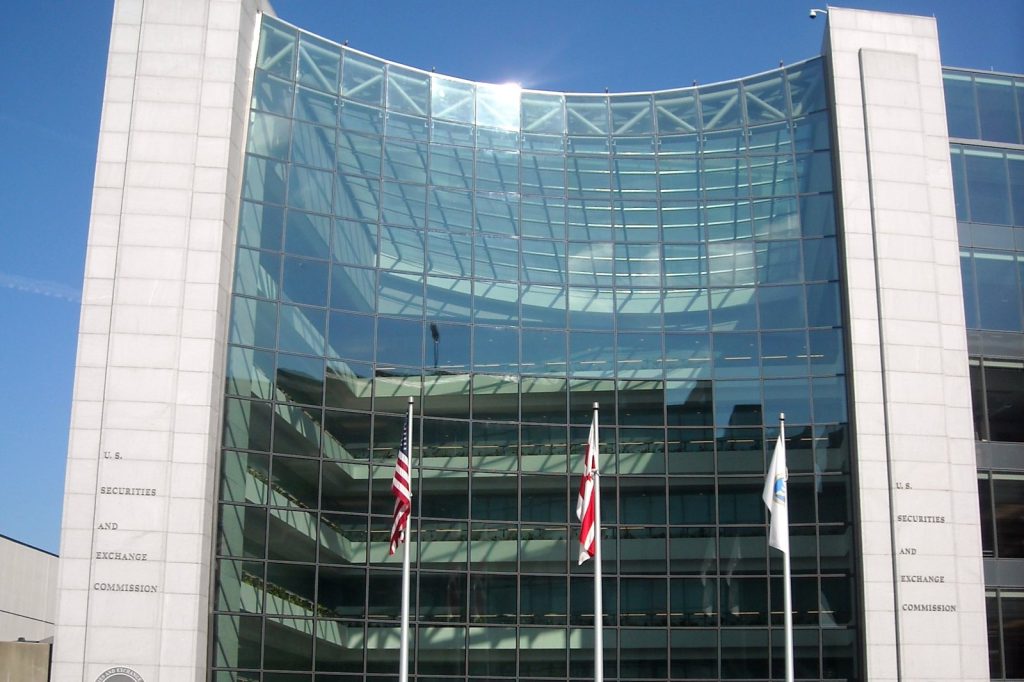
The U.S. Securities and Exchange Commission, founded in 1934 to protect investors and restore faith in financial markets after the Wall Street crash of 1929, now confronts a jarring reality: reported investment fraud losses have reached $8.6 billion. That figure, representing schemes reported to the SEC and other authorities, underscores a widening gap between the agency’s statutory mission and its actual outcomes.
The SEC was established under the Securities Exchange Act of 1934 and serves as the primary federal regulator responsible for enforcing securities laws, regulating the securities industry, and maintaining fair, orderly markets. But critics contend that the agency’s resources and enforcement strategies have not kept pace with a financial landscape transformed by complex products and the rise of digital assets.
A Mission Under Scrutiny
The SEC’s statutory mission is threefold: protect investors, maintain fair and orderly markets, and facilitate capital formation. With $8.6 billion in reported fraud losses, observers say that mission is not being fully achieved. To put that number in context, the agency’s budget for fiscal year 2023 was approximately $2.1 billion, and it employed roughly 4,600 people.
The SEC has historically taken on enormous cases, most notably the Bernie Madoff Ponzi scheme uncovered in 2008, which involved estimated losses of $65 billion. More recently, it has pursued cryptocurrency fraud cases, signaling an effort to address emerging threats.
Yet the sheer scale of reported losses suggests that even successful high-profile prosecutions have not deterred widespread fraud. The SEC was created specifically to restore investor confidence in the wake of the 1929 crash, a period when market manipulation and fraud were rampant. Its broad authority under the Securities Exchange Act was designed to give the agency the tools needed to police the industry. Today, that mandate faces new tests.
Digital assets such as cryptocurrencies and complex investment products have expanded the terrain of potential abuse, and the agency’s enforcement approach is under review internally. The SEC’s current review of its enforcement priorities reflects the difficulty of adapting a Depression-era regulatory framework to 21st-century markets.
Review Underway Without Specific Changes Yet
The SEC’s internal review includes potential changes to its whistleblower program, new investments in data analytics, and stronger coordination with other regulators. These are areas where critics say the agency has room to improve.
The whistleblower program, for instance, has been a key tool for uncovering fraud, but some argue it could be more effective with increased resources or streamlined processes. Data analytics could help the SEC spot suspicious patterns earlier, while better cooperation with state and federal regulators might close gaps that fraudsters exploit. However, no specific new regulations or enforcement actions have been announced as part of this review; the process remains ongoing.
The SEC’s ability to address these challenges matters beyond the agency itself. Investor trust and the stability of capital markets underpin much of the U.S. economy.
If the SEC cannot keep up with the evolution of financial products, losses could continue to mount. The $8.6 billion figure is only what is reported; actual losses may be higher. The agency’s enforcement actions against Madoff and crypto fraudsters show it can take on major cases, but critics argue the overall approach needs updating. For now, the SEC is in a period of self-examination, with billions of dollars in reported losses as the backdrop.
What to watch next is whether the agency announces changes to its whistleblower program, invests in new data analytics tools, or strengthens ties with other regulators. Until then, the review continues without concrete action, and the gap between mission and reality remains.




