SAN FRANCISCO, November 18, 2026 — The San Francisco Fire Department is cautioning electric vehicle drivers about the dangers saltwater poses to battery systems as the Bay Area faces the next round of storms this week, and the first king tides of the season next week.
The Technical Reality of Saltwater Damage
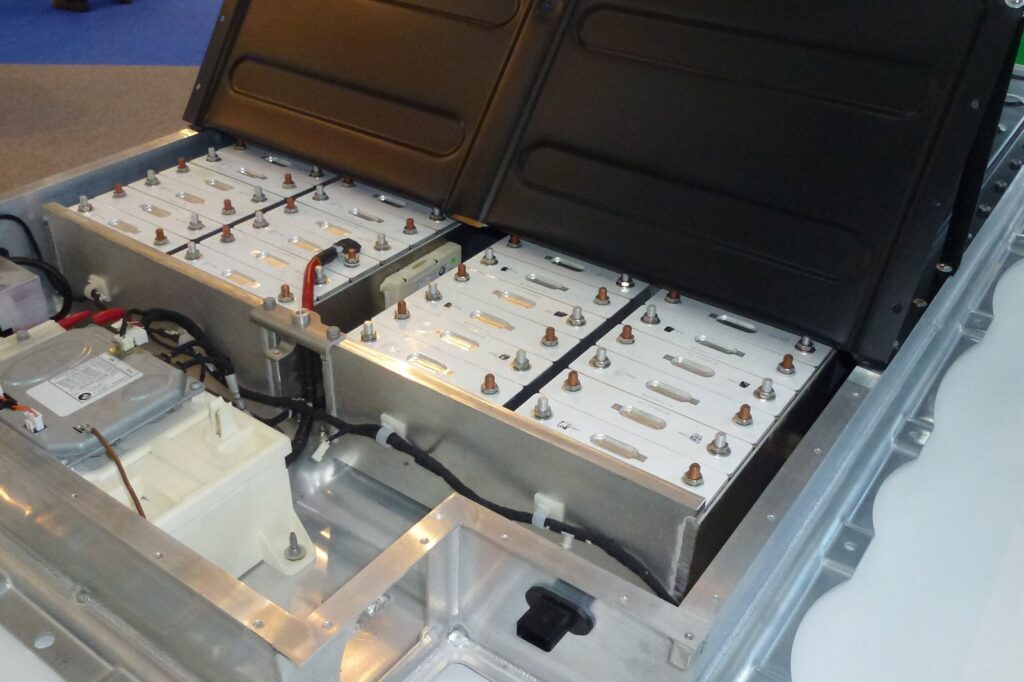
Under the hood of an electric vehicle, the lithium-ion battery pack is a dense assembly of cells designed for superior energy density and current output compared to older lead-acid batteries. This technical reality, which has made modern EVs practical, also creates a specific vulnerability when exposed to saltwater. The detail that matters is not the initial submersion, but the chemical reaction that can follow days or weeks later.
As ever, the process begins with the intrusion of water. If water enters the battery casing, the salt contained within it may act as a conductor for electricity. This is the first stage of the risk. The more insidious threat, however, is what occurs after the water itself disperses. The salt residue can remain inside the battery pack, lingering to initiate a delayed chemical reaction. This reaction can generate enough heat to start a fire, a hazard that can manifest hours, days, or even weeks after the initial exposure to saltwater.
Manufacturer Protocols and Diagnostic Signs
The potential for this delayed reaction has prompted specific safety protocols from manufacturers. Tesla, the top-selling EV brand in the U.S., advises owners not to operate previously submerged vehicles. Owners are told to tow their vehicles at least 50 feet from structures or other combustible materials such as other cars and personal property until a qualified shop can inspect it.
Vehicle owners are also advised to listen for diagnostic signs of trouble. Hissing, bubbling, or popping noises coming from the vehicle can indicate signs of water damage and a potential internal chemical reaction. In general, if anything seems unusual about an electric vehicle after potential water damage, it is best to call the local fire department to investigate.
Battery Health and Longevity
This issue underscores the critical importance of battery health, a factor that is closely monitored by both manufacturers and owners. Vehicle manufacturers usually offer a standard eight-year or 100,000-mile warranty on EV batteries. The key indicator for battery health is not total failure, but capacity dropping below 80%. This figure signifies that the battery can no longer hold a charge as effectively, though it is not necessarily dead and can be repurposed for less demanding applications such as energy storage.
The chemistry behind battery degradation is a complex process. It begins with the formation of a protective layer between the graphite anode and the electrolyte during the first charge cycle. This layer, known as the solid electrolyte interphase, traps lithium ions. Without this layer, the battery won’t work, but as it grows over time, more lithium is trapped, reducing the battery’s energy storage capacity. Fortunately, real-world data shows that the rate of this degradation slows down over time. For instance, Tesla reports that some of its models have lost just 20% of their capacity after 200,000 miles.
Historically, battery life was estimated in labs using accelerated ageing tests. However, research from Stanford University has found that real-world driving conditions, particularly stop-and-start driving, can extend a battery’s life expectancy by up to 38% compared to lab forecasts. This is because the more varied discharge profiles of actual driving put less stress on the battery than constant, deep cycling in a test environment.
Sources
- Electric vehicle owners warned of saltwater risks
- Electric vehicle
- Electric vehicle targets and reality are now on a collision course | Letters
- Covington to Expand Public Electric Vehicle Charging Infrastructure Across the City
- Electric vehicle batteries’ lifespans are outstripping expectations – chemistry is revealing why
- Europe’s electric car sales jump 49% as global EV sales grow
Photo: RudolfSimon (CC BY-SA 3.0)