
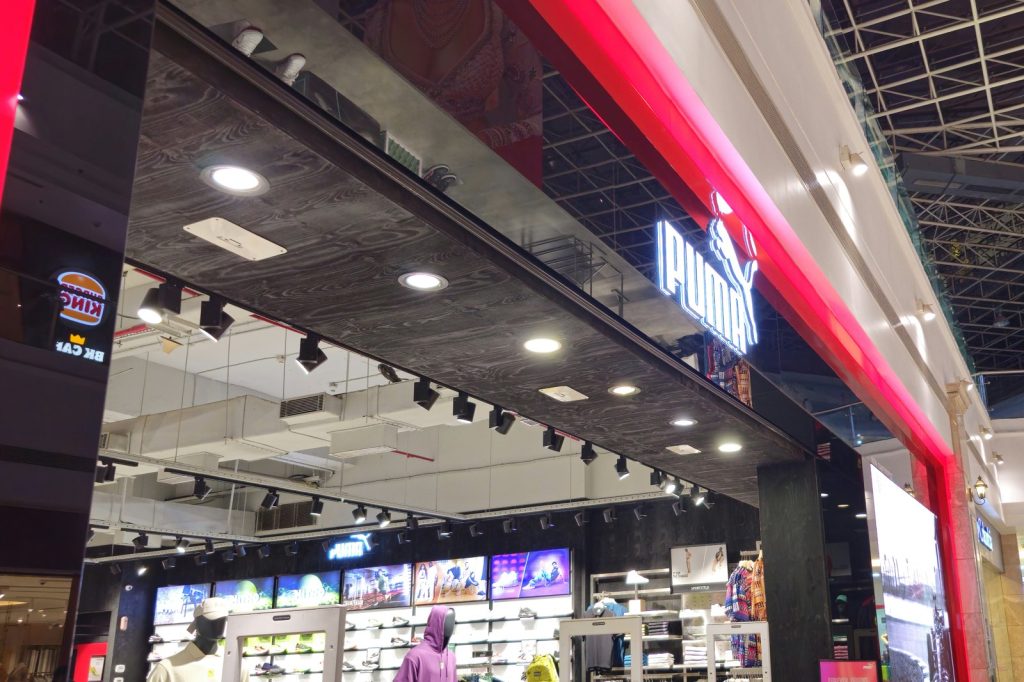
HERZOGENAURACH, July 9 — There is a particular tension in the air in this small Bavarian town, a place where the history of modern sportswear was stitched together in the 1940s. Against this backdrop, Puma, the third major player in the global sportswear race, is navigating the commercial currents of the World Cup. The tournament, a quadrennial spectacle of national pride and athletic prowess, has long been a battleground for the industry’s giants, and this year is no different.
Puma, founded in 1948 by Rudolf Dassler in Herzogenaurach, carries a legacy that is deeply intertwined with the sport. The brand’s very origins lie in a sibling rivalry that split a small town and created two of the most recognisable names in footwear: Adidas and Puma.
Today, that history provides a rich context for the brand’s current position. According to M Science research analyst Drake MacFarlane, Puma is benefiting from the World Cup. The tournament provides a global stage, a moment when casual fans and dedicated followers alike focus on the kits, the boots, and the brand emblems worn by their heroes.
Yet the wider picture is one of a clear hierarchy. MacFarlane notes that Puma trails behind its two larger rivals, Adidas and Nike, in year-over-year growth.
This is the fundamental reality of the current market. While the World Cup offers a significant boost in visibility and sales for all participating brands, the scale of that boost is relative. Puma’s market share remains smaller compared to the industry leaders.
The brand is not being left behind, but it is running a race where the frontrunners have a substantial head start. Puma’s strategy for this tournament has been multifaceted. The brand sponsors several national teams, a portfolio that gives it a presence in multiple matches and stages of the competition.
Alongside this, Puma has launched World Cup-themed products, a standard but crucial move to capitalise on the heightened consumer interest. These products, ranging from replica jerseys to lifestyle footwear, are designed to capture the energy of the tournament and translate it into sales.
The question is not whether this strategy is working, but how effectively it closes the gap with the market leaders.
The Corridors of Power in Sportswear
In the corridors of the sportswear industry, the World Cup is more than a sporting event; it is a high-stakes commercial campaign that can define a brand’s trajectory for years. For Puma, the tournament represents an opportunity to reinforce its identity as a serious contender in football, a sport where it has historically held a strong, if not dominant, position. The brand’s association with iconic players and teams in past decades has built a foundation of credibility.
The challenge is to convert that heritage into modern market share growth that can rival the sheer scale of Adidas and Nike. The analysis from M Science provides a data-driven lens on this dynamic.
MacFarlane’s assessment that Puma is benefiting from the tournament but trails in year-over-year growth is a nuanced one. It suggests that while the World Cup is a positive catalyst, it has not fundamentally altered the competitive landscape. The brand is growing, but its larger competitors are growing faster, or at least from a much larger base.
This is the crux of what is at stake for Puma: can it use the World Cup as a springboard to accelerate its growth rate and begin to erode the market share of its rivals? Herzogenaurach itself is a quiet reminder of the industry’s roots.
The town, still home to both Puma and Adidas, is a place where the rivalry is part of the local fabric. For Puma, the journey from that small-town beginning to a global brand competing on the world’s biggest sporting stage is a story of resilience and ambition. The current World Cup campaign is the latest chapter in that story, a test of whether the brand can translate its heritage and its current strategy into tangible commercial gains against formidable opposition.
What to Watch Next
As the tournament progresses, the key indicators for Puma will be sales data, particularly in key markets like Europe and Latin America, where football culture is most intense. The performance of the national teams it sponsors will also play a role; a deep run by a Puma-sponsored team can generate a surge in merchandise sales and brand visibility that is difficult to replicate through marketing alone. The brand’s ability to sustain momentum beyond the final whistle will be the true measure of its World Cup success.
The wider picture for the sportswear industry remains one of intense competition, with Adidas and Nike holding commanding positions. Puma, as the third major brand, operates in their shadow but with a distinct identity and a loyal consumer base.
The World Cup is a moment to shine, but the race is a marathon, not a sprint. For Puma, the goal is not just to benefit from the tournament, but to use it as a platform for sustained growth that can, over time, change the balance of power in the corridors of the global sportswear industry.
{“@context”: “https://schema.org”, “@type”: “NewsArticle”, “headline”: “Puma Trails Nike and Adidas in World Cup Sales Race”, “description”: “HERZOGENAURACH, July 9 — There is a particular tension in the air in this small Bavarian town, a place where the history of modern sportswear…”, “datePublished”: “2026-07-09T09:30:00+00:00”, “author”: {“@type”: “Person”, “name”: “Beatrice Bianchi”}, “publisher”: {“@type”: “Organization”, “name”: “InfoPulse Today”, “url”: “https://newsfeed.infopulsetoday.com/”}}




