
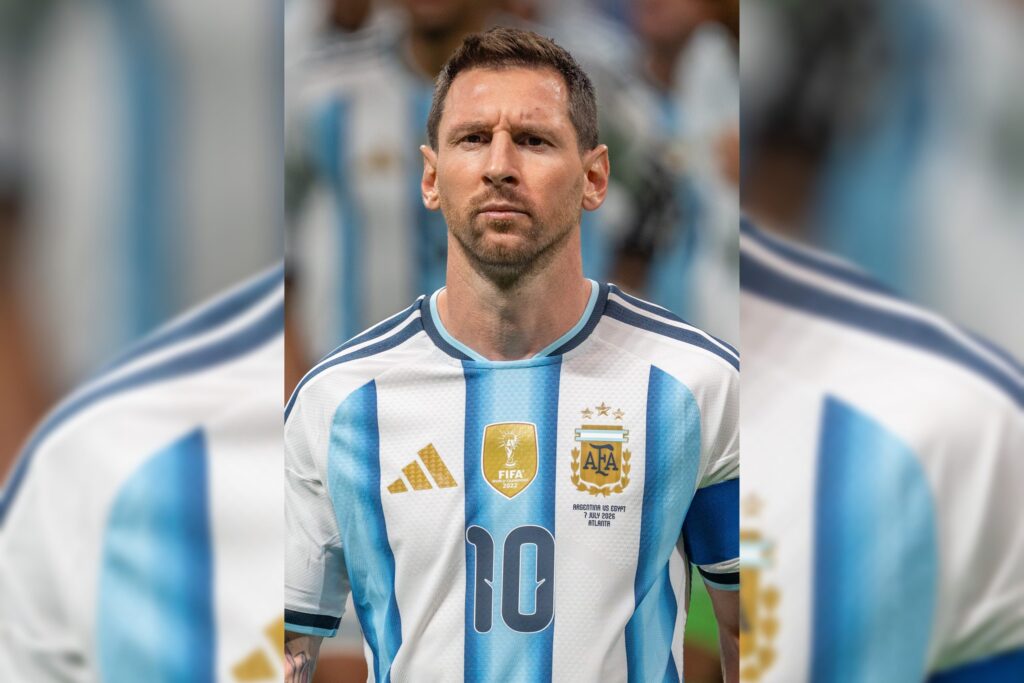
ROSARIO, Sept. 2 — On a quiet street in Rosario, the house where Lionel Messi grew up now sits at the center of a national reckoning. The 39-year-old confirmed his retirement from Argentina’s national team on August 31, closing a 21-year international career that began with his first appearance in 2005. The announcement came just over three weeks after the death of his father, Jorge, who passed away in the same city on August 8 following a long illness.
Messi leaves as Argentina’s most-capped player and all-time leading scorer, with 125 goals from 207 appearances — no Argentine has played or scored more for their country. The eight-time Ballon d’Or winner captained the side to the 2022 World Cup in Qatar, lifting the trophy that had eluded him for so long.
He also led Argentina to Copa America titles in 2021 and 2024, and to victory in the inaugural Finalissima in 2022. His final tournament was the 2026 World Cup, where Argentina fell 1-0 to Spain in the final on July 19. Ferran Torres scored in extra time to seal La Roja’s second title.
That match was expected to be Messi’s last at a World Cup; he would have turned 43 during the next edition in 2030. ## A farewell written in grief In an emotional Instagram statement, Messi revealed he had drafted the words on July 21, two days after that final, which he said “hurt deeply.” His father was unable to attend the match. “I wanted to win it so I could bring the trophy to you and show you a new one.
I couldn’t, my legs had nothing left,” Messi wrote. “This time I tried to push past my physical limits, but I couldn’t. I never managed to feel right.” He added: “Today, after what happened with my dad, I am even more convinced than before.” Jorge Messi had long acted as his son’s agent, a constant presence through the forward’s rise from Rosario’s youth ranks to global superstardom.
The timing of the announcement — weeks after the funeral, following a period of public silence — suggests the loss hastened a decision that had already been taking shape. ## Passing the torch Messi framed his exit in part as a generational shift. “I have nothing left to give, and besides, there are some great young players coming up who deserve to be here,” he said. The statement offered no role in the national setup, no farewell tour, no promise to remain in an ambassadorial capacity.
For a country that has measured its footballing identity through Messi’s number 10 shirt for two decades, the question now turns to who inherits it — and whether Argentina can defend its continental crown without the player who defined its modern era.




