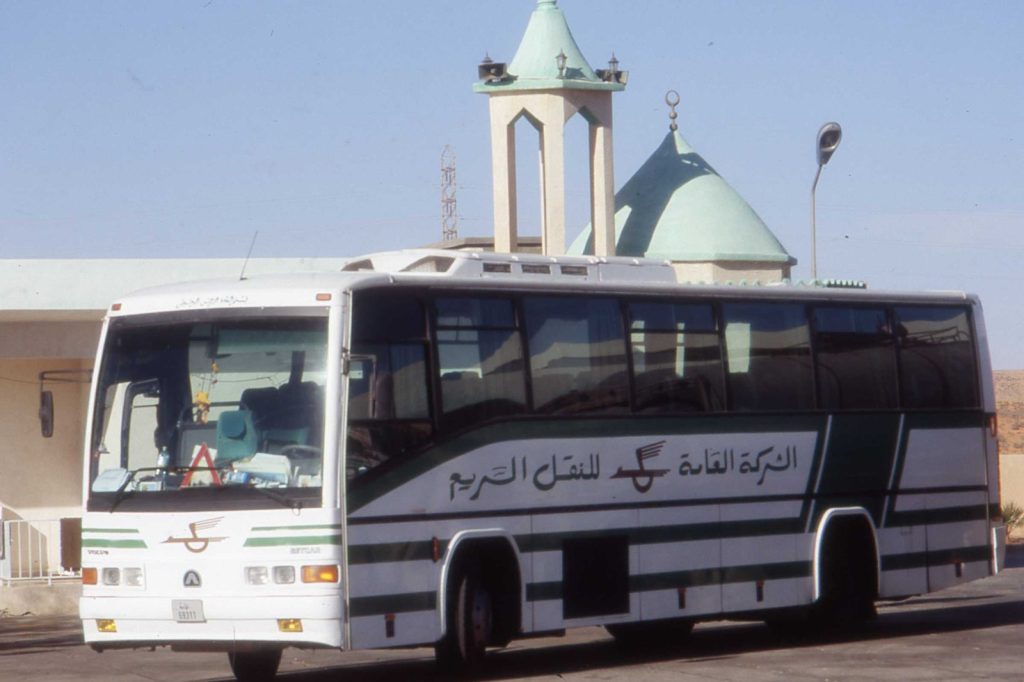
Twenty-three bodies. Five survivors. One highway in Al-Loud.
The numbers from the January 12 bus crash are stark. But the aftermath is the real story here.
In the days since, the focus has shifted from what happened to why it happened — and whether anything will change because of it. Libya’s road network has long been a patchwork. Some stretches are newly paved, others cratered by years of conflict and neglect.
The highway where the bus crashed falls into the latter category. Locals who travel that route regularly describe it as a gamble.
One bad pothole at high speed. A worn tire. A driver pushing to make up time.
Any combination can turn a routine trip into a disaster. That is the uncomfortable truth this crash forces into the open. Road safety is not a luxury.
It is a basic function of government. When roads are not maintained, when traffic laws are not enforced, when vehicle inspections are not required — people die.
Twenty-three people died here. The injured survivors are in local hospitals. Their conditions have not been disclosed.
What is known is that they lived through something that killed most of the people on that bus. They carry that.
So does the community. Al-Loud is not a large city. Everyone knows someone who was on that bus.
Funerals have been staggered over several days. Families are still waiting for bodies to be released. The shock is giving way to grief, and grief is turning into anger.
That anger has a target. Libyan authorities have promised investigations before.
After major crashes — and there have been several — officials hold press conferences, pledge to improve road conditions, and announce new traffic enforcement campaigns. Then the attention fades. The roads stay the same.
The next bus crashes. This time feels different.
The death toll is high enough that it cannot be ignored. The crash happened on a highway that should have been safe. The bus was carrying ordinary people — workers, students, families.
No one was expecting to die that morning. What can actually be done? The list is short and expensive.
Roads need regular maintenance. That costs money Libya does not have in abundance.
Traffic laws need enforcement. That requires police who are present, paid, and incorruptible. Vehicle inspections need to be real, not rubber stamps.
That demands a regulatory system that works. None of this is impossible.
All of it requires political will. The question hanging over Al-Loud right now is whether this crash will produce that will, or whether it will become another statistic in a country that has too many already. The survivors know the answer matters.
The families of the dead know it matters. The rest of Libya is watching. If the highway in Al-Loud is not repaired, if no one is held accountable, if the next bus driver takes the same route at the same speed — then the 23 deaths were not a tragedy.
They were a pattern.
Sources
- Death toll rises to 23 in bus crash in Libya, 5 injured …
- A bus accident in Libya has resulted in 23 deaths. – Futubull