TOKYO, November 25, 2026 — Honda is recalling 810,592 older Honda and Acura vehicles in the United States because Takata airbag inflators fitted with a moisture‑absorbing desiccant can still degrade and rupture. The recall covers certain 2013 Accord, 2012‑13 Civic and CR‑V, 2013 Acura ILX and 2013 Acura RDX models.
Why This Differs From Earlier Fixes
This is not a rerun of the original Takata crisis. The inflators in question were equipped with a desiccant — a drying agent intended to control moisture inside the inflator — and were not covered by Honda’s previous recall campaigns. In its November 20 statement, Honda said these inflators are a distinct type and that no ruptures, injuries or fatalities have been reported for this specific desiccant‑equipped population. The company characterizes the action as preventative, moved by the National Highway Traffic Safety Administration’s (NHTSA) assessment that the defect could cause sharp metal fragments to strike occupants, causing serious injury or death.
The Technical Reality: Desiccant Was Not Enough
The affected inflators use a phase‑stabilized ammonium nitrate propellant. Under the hood, the desiccant was meant to absorb moisture and keep that propellant stable. Honda’s filing with NHTSA explains the failure mode: over time, high absolute humidity and repeated temperature swings can make the propellant porous and brittle. When the airbag fires, the degraded propellant breaks apart more than designed, creating excess burning surface area and a pressure spike that can rupture the inflator body.
Honda has monitored these units for years. In June 2020, field‑return data showed no degradation and the company predicted any rupture risk would not appear before 2027. Accelerated testing in May 2025 then found signs of propellant degradation, though the inflators still functioned within normal limits. Later analysis found no statistically significant departure from the 2020 forecast, but with 2027 weeks away, Honda determined on November 19, 2026, that a safety defect existed.
Scope: Models, Numbers and Geography
The Civic accounts for just over half of the recalled vehicles at 413,125 units, followed by the CR‑V at 197,045, the Accord at 165,225, the RDX at 20,554 and the ILX at 14,643. Because heat, humidity and wide temperature swings drive the degradation, the recall is geographically limited. It applies only to vehicles originally sold or ever registered in nine states — Alabama, California, Florida, Georgia, Hawaii, Louisiana, Mississippi, South Carolina and Texas — plus Puerto Rico, the U.S. Virgin Islands, the Northern Mariana Islands, Guam and American Samoa.
The detail that matters is “ever registered.” A 2012 Civic that spent its early years in Houston before moving to Ohio remains on the list, and plenty of used‑car buyers may not know their vehicle’s history in a high‑humidity zone.
What Owners Need To Do
Dealers will replace the defective inflators with units from a different supplier at no charge. The recall campaign number is 26V765. Honda expects to mail interim owner notification letters by December 18, 2026. Owners can check their vehicle identification number at recalls.honda.com or via the NHTSA recalls site.
Sources
- Honda Is Recalling 810,592 Vehicles Over Takata Inflators With a Drying Agent. No Ruptures Reported
- Honda recalls 810K vehicles over dangerous Takata airbag inflator rupture risk
- Honda Issues Yet Another Recall for 810,592 Cars Equipped with Takata Airbags That Could Rupture
- Toyota and Lexus Recall More Cars to Replace Takata Airbags – Consumer Reports
- Honda Again Recalls More Than 810,000 Cars Equipped with Takata Airbags – TFLcar
- Honda Takata Inflator, Ram ABS Software, and Toyota Passenger Airbag Recalls
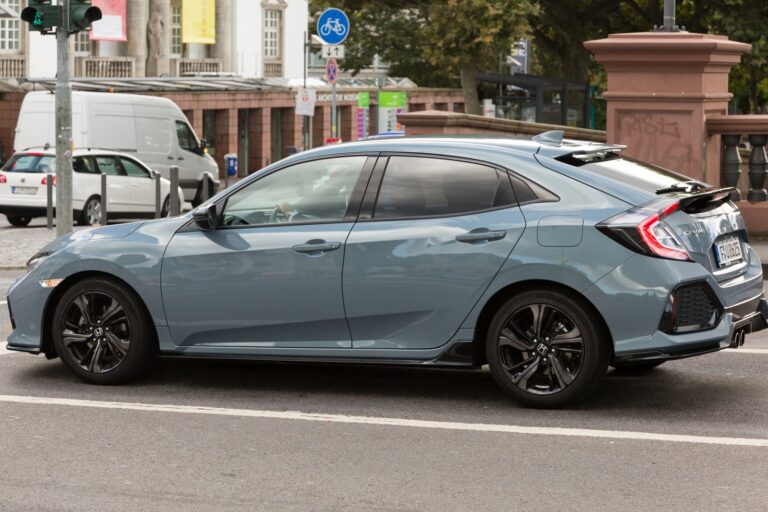
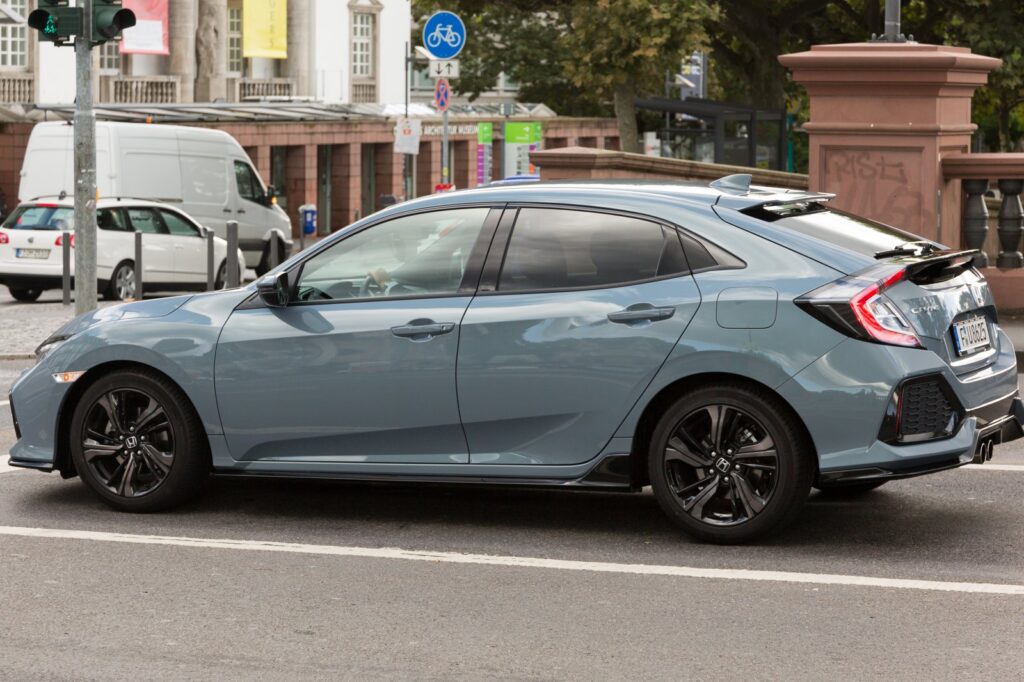
Photo: MB-one (CC BY-SA 4.0)