
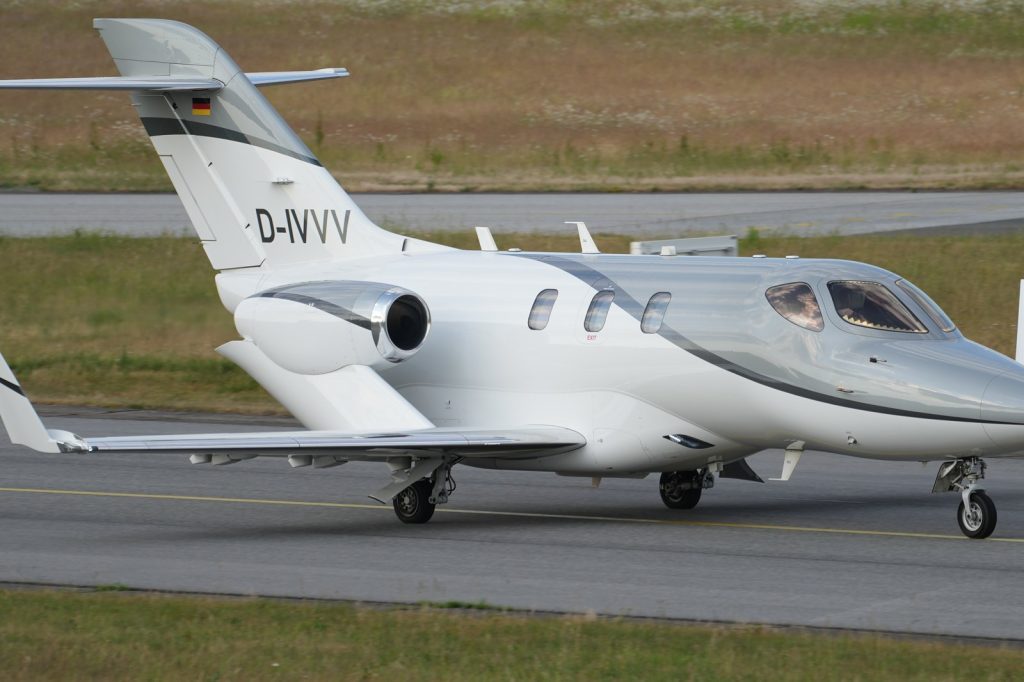
Tokyo, 8 June 2026 – Honda announced that its electric vertical take‑off and landing (eVTOL) aircraft successfully completed a passenger flight on 1 April, a milestone that underscores the automaker’s expanding role in advanced‑air‑mobility initiatives. The flight, disclosed publicly weeks after it occurred, marks the company’s inaugural test with a human on board.
The eight‑propeller design of the vehicle emphasizes safety and reduced noise levels when compared with conventional helicopters. Honda’s engineers have also focused on extending the aircraft’s operational reach, targeting a maximum range of roughly 400 kilometres. These attributes position the eVTOL as a potential solution for short‑haul journeys within cities and between nearby regional centres, promising a quieter, more efficient and environmentally friendlier alternative to existing modes of transport.
Honda’s entry into the eVTOL arena reflects a broader industry movement, as a growing number of automobile manufacturers and aerospace firms accelerate development of electric aircraft aimed at short‑distance travel. The push is driven by rising demand for sustainable mobility options that can alleviate congestion and lower carbon emissions.
By achieving a passenger‑carrying flight, Honda demonstrates its technical capability and signals its intent to compete in this emerging market. While the company has not released a specific timetable for commercial operations, the successful test is being closely monitored by analysts and industry observers. The flight’s completion provides tangible evidence that Honda’s research and development programme is advancing beyond the prototype stage, moving toward certification and eventual market entry.
Industry experts note that the eVTOL market remains in a formative phase, with regulatory frameworks, infrastructure requirements and public acceptance still evolving. Honda’s focus on safety, noise reduction and range aligns with the criteria many authorities are considering for future urban air‑mobility networks.
Should the company maintain its progress, it could become a significant player alongside other automotive and aerospace entrants. The test flight also highlights Honda’s broader commitment to innovation within its mobility portfolio. By leveraging its expertise in electric powertrains and vehicle dynamics, the firm is extending its reach from ground‑based vehicles to the vertical aviation space.
This diversification reflects a strategic response to shifting transportation trends and the growing importance of electrified solutions across all travel modes. Looking ahead, Honda is expected to continue refining the eVTOL platform, addressing performance, reliability and integration with emerging air‑traffic‑management systems.
The next phases will likely involve additional flight trials, possibly expanding passenger capacity and demonstrating operational scenarios that could be replicated in real‑world settings. As the eVTOL sector evolves, Honda’s early achievement adds a notable data point to the industry’s trajectory. The company’s ability to deliver a passenger‑rated electric aircraft underscores the feasibility of advanced‑air‑mobility concepts that could reshape short‑range travel in the coming decade.
Stakeholders will be watching closely as Honda translates this initial success into a viable commercial offering.




