
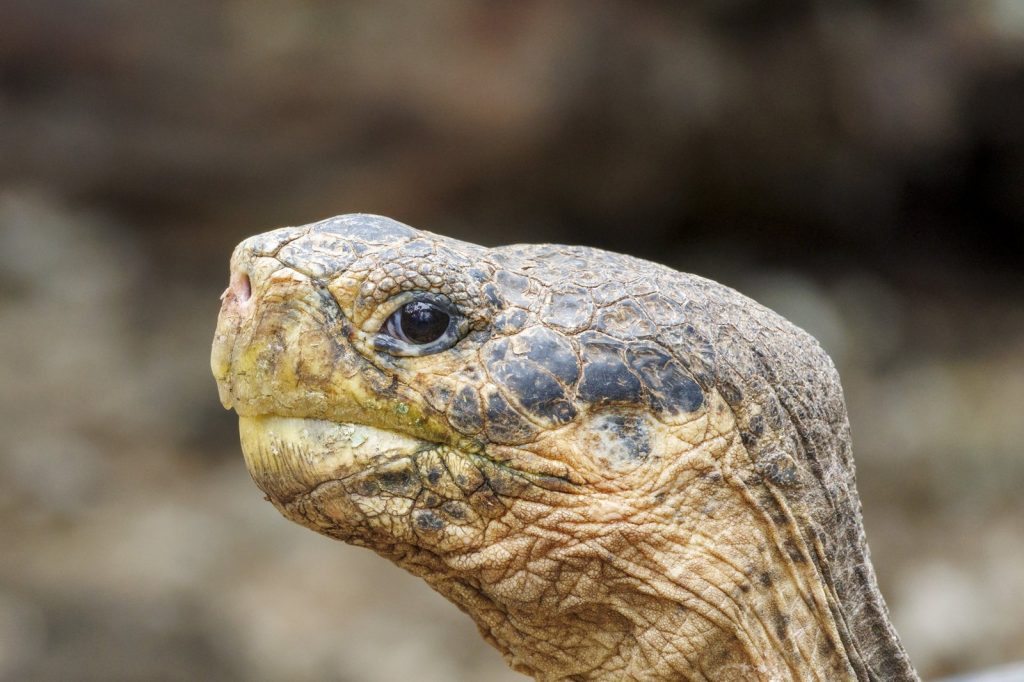
After an absence of about 180 years, the Galápagos National Park has released 158 captive‑bred juvenile giant tortoises onto Floreana Island. The animals, raised in a park‑run breeding program, were set free last week, marking the first return of the species to the island since the 1840s, when whalers, sailors and early settlers hunted the original population to extinction.
Floreana’s original tortoises disappeared by the mid‑19th century, their shells taken as souvenirs and the animals killed for food. The island has remained inhabited by humans and a suite of invasive species—rats, goats and fire ants—that continue to threaten young tortoises and their eggs. In response, park staff have spent years restoring the habitat, eradicating invasive plants and managing predator populations to make the environment suitable for a re‑introduction. The 158 juveniles are not hatchlings; they are old enough to face predators and the elements with a realistic chance of survival.
Their production required several years of careful breeding, a process slowed by the tortoises’ slow growth, late maturity and long lifespan. The park’s captive‑breeding effort drew on expertise and resources from multiple conservation partners, acknowledging that a single organization could not accomplish the task alone.
Because Floreana’s original tortoise lineage is extinct, the released juveniles come from the genetically closest population, the Española Island stock. While this does not recreate the exact former subspecies, it represents the best possible genetic match for re‑establishing a viable population on the island. Dr. Juan Carlos Ávila, a conservation biologist with the park who has been involved since the program’s inception, described the release as a “major achievement” and noted the rewarding nature of seeing the animals adapt to their natural surroundings.
The park’s director echoed this sentiment, emphasizing that the release is part of a broader, decades‑long conservation mission that began when the Galápagos National Park was created in 1959 and became operational in 1968. The park, a UNESCO World Heritage Site, continues to monitor the tortoises closely, recognizing that mortality will occur and that only a portion of the released cohort may survive to reproduce.
Giant tortoises can live beyond a century, but they typically do not reach reproductive age until 20–30 years after birth. Consequently, the success of this re‑introduction will be measured over multiple human generations, with the expectation that surviving individuals will eventually breed and establish a self‑sustaining wild population. The re‑introduction carries symbolic weight as well as practical importance.
The Galápagos Islands served as a living laboratory for Charles Darwin’s theory of evolution, with the distinct shell shapes of tortoise populations across the archipelago providing key evidence. Restoring tortoises to Floreana not only repairs a piece of natural history but also demonstrates a reversal of the human actions that caused their disappearance.
With the park’s authority, funding and expertise, the habitat prepared, and the tortoises’ biology suited to the environment, the pieces are in place for a potential recovery. For now, 158 young giants are traversing Floreana’s volcanic slopes, grazing on grass and growing slowly—an initial step toward re‑establishing a species that vanished from the island for almost two centuries.




