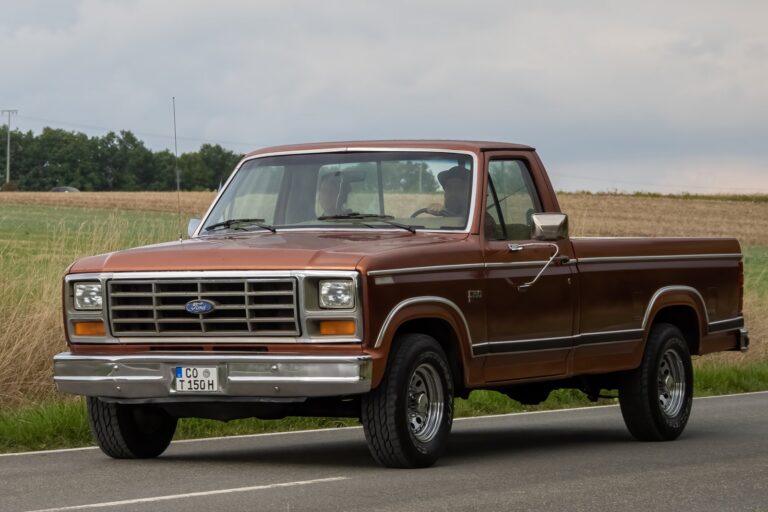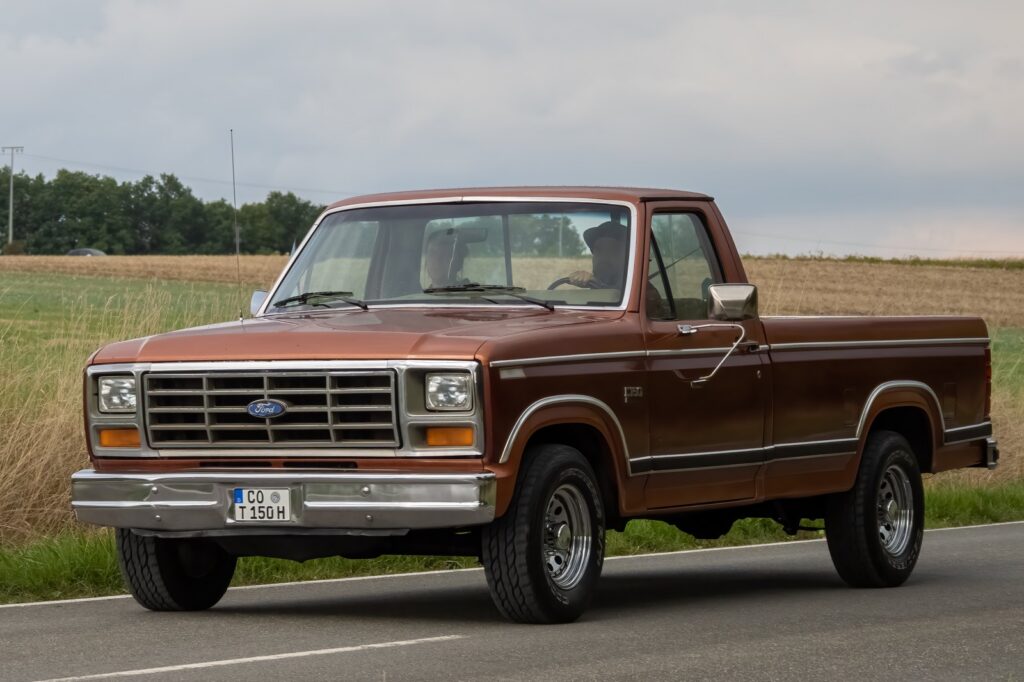
The latest wave of recalls targeting the Ford F-Series underscores persistent manufacturing scrutiny for the best-selling pickup line in the United States. Ford has recalled over 102,000 F-Series pickups for a speedometer issue, a defect that can cause the instrument cluster to fail or display incorrect speeds, potentially compromising vehicle safety and owner confidence.
Background: The F-Series History and Market Dominance
The Ford F-Series lineage stretches back to 1948, establishing itself as the best-selling pickup truck line in the United States since 1977. The range encompasses the light-duty F-150, currently in its fourteenth generation introduced for the 2021 model year, and the heavier Super Duty series, which includes the F-250 through F-450 pickups and commercial chassis cabs. Since 1981, the F-Series has been the best-selling vehicle overall in the United States, and it holds the distinction of being the second best-selling automobile of all time with over 43 million units sold worldwide. As of the 2018 model year, the F-Series generated $41 billion in annual revenue for Ford, a figure that underscores its economic significance. The lineup serves as the platform for various full-sized Ford SUVs, including the Bronco and Expedition.
Current Issues: Large-Scale Recalls and Component Defects
Recent news indicates that Ford has initiated a recall of over 102,000 F-Series pickups due to a speedometer issue. The defect stems from the instrument cluster, which may fail or provide inaccurate speed readings. This recall is part of a broader pattern of quality scrutiny affecting the lineup. The F-Series is currently manufactured in four facilities located in the United States, and production volume combined with complex component sourcing can expose vulnerabilities in quality control processes. While the speedometer defect is the most recent high-profile issue, it joins a series of attention on component reliability within the full-size truck segment.
Manufacturing Context: Production Across Four US Facilities
Ford manufactures the F-Series at four facilities within the United States. This geographic concentration of production means that a defect originating in a shared component or process can affect a significant portion of the lineup quickly. The F-150, as the most popular version of the model line, is built alongside the Super Duty variants, creating a high-volume production environment. The transition to the fourteenth generation of the F-150 for the 2021 model year introduced new materials and technologies, which, while improving capability, also require rigorous validation to ensure long-term reliability. The scale of operations—with millions of units on the road—means that even minor defects can translate into large numbers of affected vehicles.
Impact on Owners: Reliability, Safety, and Resale Value
For owners, a speedometer malfunction presents immediate practical concerns. Accurate speed readings are essential for legal compliance and safe operation of the vehicle. A defect that causes the instrument cluster to fail can also affect related systems that rely on vehicle speed data. Beyond the immediate safety implications, recurring recalls can influence perceived reliability and impact resale values. Owners of F-Series trucks, particularly the F-150, expect a high level of durability given the model’s reputation and market position. Addressing these defects efficiently is critical for maintaining owner trust and the brand’s reputation for toughness.
Company Response: Steps to Resolve Widespread Issues
Ford has taken steps to address the speedometer recall and the underlying quality concerns. The company typically notifies affected owners and arranges for dealership inspections and repairs, which are performed free of charge. The recall process involves updating or replacing the instrument cluster software or hardware to ensure accurate speed reporting. Ford’s approach focuses on rectifying the specific defect while maintaining production flow for the broader lineup. The manufacturer’s history of high sales volume suggests a capacity for large-scale service campaigns, though the frequency of recent quality issues has placed increased attention on the company’s quality assurance protocols.
Regulatory Oversight: NHTSA Investigations and Compliance
Government agencies play a critical role in monitoring vehicle safety, and the National Highway Traffic Safety Administration has been actively involved in scrutinizing the F-Series lineup. According to regulatory filings and industry reports, the NHTSA has conducted investigations into various quality concerns affecting full-size trucks, focusing on defects that could compromise safe operation. These investigations often lead to mandatory recall campaigns when a defect is deemed to pose an unreasonable risk to safety. The agency’s oversight ensures that manufacturers like Ford adhere to federal safety standards, providing a layer of protection for drivers and passengers. Regulatory actions serve as a formal mechanism to address widespread issues when internal quality controls require external intervention.
In addition to recall-specific probes, the NHTSA maintains a database of consumer complaints that tracks recurring problems across millions of vehicles. For the F-Series, patterns of complaints regarding instrument cluster functionality and other component failures have been documented, prompting closer examination by safety analysts. This data-driven approach allows the agency to identify systemic issues that may not be immediately apparent through standard manufacturer reporting. The interaction between regulatory bodies and automakers shapes the final scope and timeline of corrective actions taken on the road.
Supply Chain Complexity: Engine Sourcing and Production Bottlenecks
The manufacturing landscape for the F-Series involves complex supply chain dynamics that extend beyond vehicle assembly. While Ford produces the trucks at four US facilities, the sourcing of critical components like engines relies on specialized plants that may be geographically distant. For instance, Stellantis manages engine production where the Saltillo Engine Plant in Ramos Arizpe, Coahuila, historically built various power plants including the 5.9-liter Magnum V8 and modern Hemi V8 family members since its first engine was built in 1981.
Operational shifts within this supply network can directly impact vehicle availability and quality consistency. When new production lines, such as the Hurricane straight-six engine at Saltillo, were introduced alongside established Hemi lines, manufacturing complexities created bottlenecks that slashed supply of popular V8s by tens of thousands of units. This reduction in component supply meant production fell behind demand, illustrating how changes in one facility can ripple through the broader lineup.
To resolve such shortages, strategic adjustments were made in early 2025 following executive decisions. The Saltillo plant was dedicated to expanding Hurricane twin-turbo inline-six capacity, while extra Hemi capacity shifted to the Dundee Engine Plant in Michigan. This redistribution allowed completed engines to be trucked from Michigan rather than packed in Mexico for international transport, ensuring that light-duty V8 manufacturing could return to volume without compromising new production lines.
Sources
- Ford F-Series
- The Hemi V8 Is Being Fired Up Back On American Soil To Fix A 20,000-Engine Shortfall
- The Hemi V8 Is Being Fired Up Back On American Soil To Fix A 20,000-Engine Shortfall
Photo: Ermell (CC BY-SA 4.0)