
LONDON, July 6 — The electric vehicle is often treated as a recent innovation, a product of Silicon Valley’s ambition and regulatory pressure. Under the hood, the technical reality is far older: the first crude electric carriage was built in the 1830s by Scottish inventor Robert Anderson, who used non-rechargeable primary cells. It was not practical, but it established the principle.
By the 1880s, that principle had become a working machine. Gustave Trouvé in France and Thomas Parker in the UK each built early electric cars, and the technology rapidly gained ground.
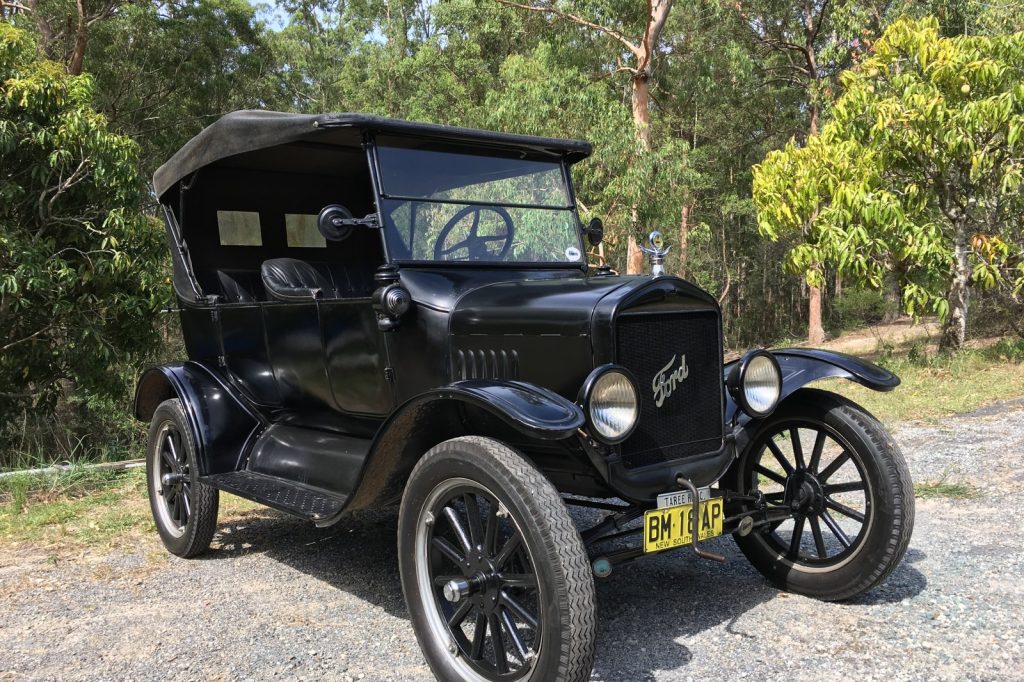
In 1900, electric vehicles held a 38% share of the US automobile market, competing directly with steam and gasoline cars. It was a genuine three-way contest, and electrics were not the underdog. The detail that matters is the Ford Model T.
Introduced in 1908, it was cheaper and more reliable than the electric alternatives, and it effectively killed the early EV market. For the better part of a century, the internal combustion engine reigned.
Interest revived in the 1990s, driven not by consumer demand but by regulation. The California Air Resources Board introduced its Zero-Emission Vehicle mandate, forcing automakers to take electric propulsion seriously. General Motors responded with the EV1 in 1996.
Toyota took a different route, launching the Prius hybrid in 1997, which proved that electrification could work at scale. The modern era began with Tesla Motors, founded in 2003. The company released the Roadster in 2008, a sports car that proved EVs could be fast and desirable, not just worthy.
The Nissan Leaf followed in 2010, offering a mass-market, affordable electric hatchback. By 2020, Tesla’s Model 3 had become the best-selling EV globally, with cumulative sales of over 500,000 units.
As ever, the pattern is not a straight line. The early lead was squandered, the 1990s revival stuttered, and the current boom is built on battery chemistry and software that did not exist a decade ago. What to watch next is whether the charging infrastructure and raw material supply chains can keep pace with the sales numbers.
The history suggests the technology is ready; the logistics may take longer.




