
KOBE — The barrier to entry in recreational sports is often invisible until you hit it. You need a partner. You need a team.
You need to know someone who knows someone. DPC KOBE is trying to remove those walls in July with a schedule of Open Play sessions for solo participants.
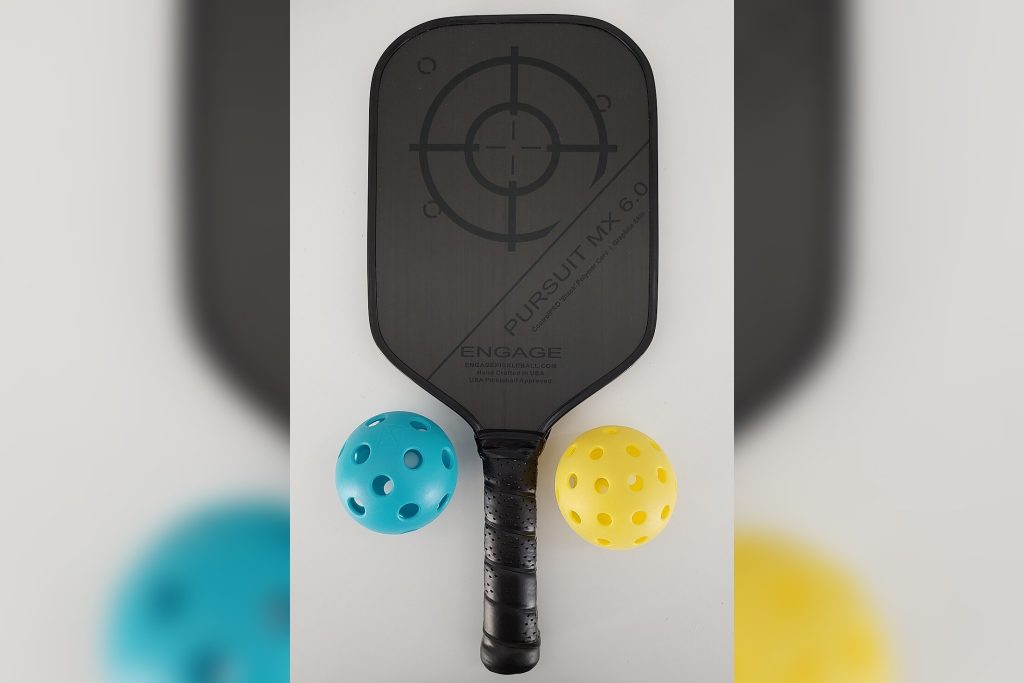
The venue is offering doubles pickleball. Players book a time slot, show up alone, and pair off with whoever else walks through the door. No club membership required.
No pre-arranged partner. The whole operation runs on the assumption that a stranger is just a teammate you haven’t met yet.
Session lengths vary by date. A player with one hour between errands can drop in, play, and leave. Someone with a free afternoon can stay for multiple games.
The schedule is designed to let Open Play slot alongside other clinics or events at the same venue. A person could build an entire day around their own pace. The stakes here are concrete.
Across Japan, social sports can feel closed off to anyone not already plugged into a network. Families new to a region.
Individuals whose work schedules don’t fit a league’s fixed game times. People who want to try a sport without committing to a season. That group is large.
And largely underserved. DPC KOBE has set up three tiers of play: Beginner, Intermediate, and All Levels.
Beginners get sessions focused on rules and basic movement. Intermediate and All Levels lean into match-style play. The structure means a person who has never held a paddle and a tournament veteran can both find a session that fits.
Neither feels out of place. This matters for a simple reason. Pickleball is growing in Japan, but growth alone doesn’t create access.
A sport can be popular and still exclusive. Open Play is a direct answer to that problem.
It says: you don’t need to be in the know. You just need to show up. The flexibility is the point.
Rigid schedules kill participation. People have jobs.
Kids. Unpredictable days. A program that lets someone come and go within a reserved time slot acknowledges real life.
It treats sport as something that fits into a life, not something that demands a life be reorganized around it. For communities across the Kansai region, this is a new option where few existed before. The first half of July is the test window.
If it works, the model could spread. If it doesn’t, the barrier stays up.
What is at risk is simple: whether recreational sport in Japan can become genuinely open. Not just in theory. Not just for people who already have a partner.
For anyone who walks in alone.




