Doug Williams completed 18 of 29 passes for 340 yards and four touchdowns in Super Bowl XXII. He did it one day after a six-hour root canal to repair an abscess in a dental bridge.
Washington beat John Elway’s Denver Broncos 42-10 on January 31, 1988. Williams became the first Black quarterback to start and win a Super Bowl, and the first to be named its Most Valuable Player. All four touchdown passes came in the second quarter.
Nearly four decades later, Williams is one of five finalists in the contributor category for the Pro Football Hall of Fame Class of 2027. The others are former Canton Bulldogs owner Ralph Hay, New England Patriots owner Robert Kraft, former Chicago Bears principal owner Virginia McCaskey and former Fritz Pollard Alliance chair John Wooten.
The Contributor Subcommittee reduced 42 nominees through multiple votes. It will meet virtually on November 17 to advance one candidate to the full Selection Committee, which considers the class early next year. Kraft won the contributor nomination last year but was not elected.
From Grambling to a young franchise
Williams played at Grambling State under Eddie Robinson from 1974 to 1977, compiling a 36–7 record as a four-year starter and winning three Southwestern Athletic Conference championships. In 1977, he led the NCAA with 3,286 passing yards and 38 touchdown passes, finishing fourth in Heisman Trophy voting.
Tampa Bay selected him 17th overall in the 1978 NFL Draft, making him the first Black quarterback taken in the first round. Joe Gibbs, then the Buccaneers’ offensive coordinator, was the only NFL coach who visited to scout and work him out.
The franchise had won just two games in its first two years. With Williams, Tampa Bay reached the playoffs in 1979, 1981 and 1982, including the 1979 NFC Championship Game. Its winning records in those seasons were 10-6, 9-7 and 5-4. The team did not post another winning season until 1997.
Williams started 67 games for Tampa Bay and was team MVP in 1980 and 1981. Yet his salary was $120,000 a year, the league’s lowest for a starting quarterback and below the pay of 12 backups. When owner Hugh Culverhouse would not move above a $400,000 offer after Williams sought $600,000, he sat out the 1983 season.
He then joined the Oklahoma Outlaws of the USFL before returning to the NFL with Washington in 1986. There he reunited with Gibbs, initially backing up Jay Schroeder. Williams started only two regular-season games in 1987, but Gibbs chose him for the playoffs. He passed for 666 yards with seven touchdowns and two interceptions during that postseason run.
The contributor’s case
His later career broadened beyond quarterbacking. Williams succeeded Robinson as Grambling’s head coach in 1998 and won three consecutive Southwestern Athletic Conference titles from 2000 to 2002. He also coached at Morehouse College, scouted for Jacksonville and worked as a personnel executive for Tampa Bay and Washington.
Williams rejoined Washington in 2014 and now advises general manager Adam Peters on the NFL Draft, free agency and scouting. He entered the College Football Hall of Fame in 2001 and belongs to Tampa Bay’s Ring of Honor at Raymond James Stadium.
The Hall’s bylaws call for between three and seven new members in each class. The Class of 2027 will be announced at NFL Honors in Los Angeles in February and enshrined next August in Canton.
Sources
- Doug Williams (quarterback)
- Doug Williams named finalist in contributor category for HOF class of '27
- Bucs Legend Doug Williams One of Five Contributor Nominees for Hall of Fame
- Doug Williams a contributor nominee for 2027 Hall of Fame class
- Super Bowl-winning QB Doug Williams advances in Hall of Fame voting
- Doug Williams up for Pro Football Hall of Fame
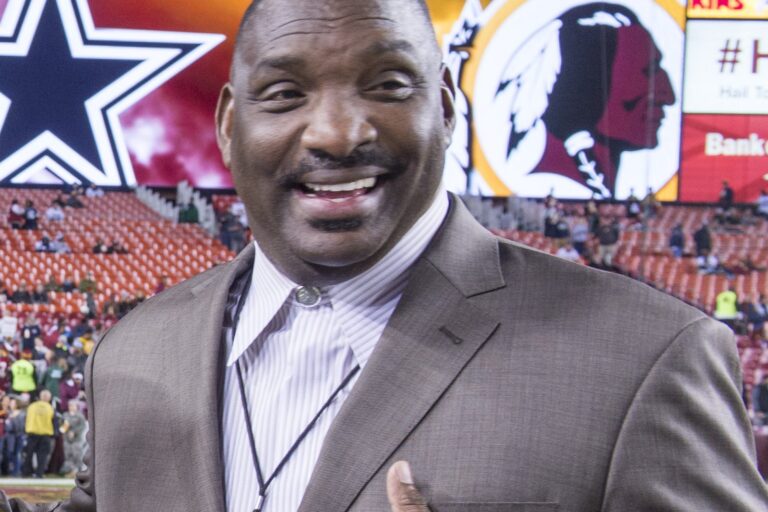
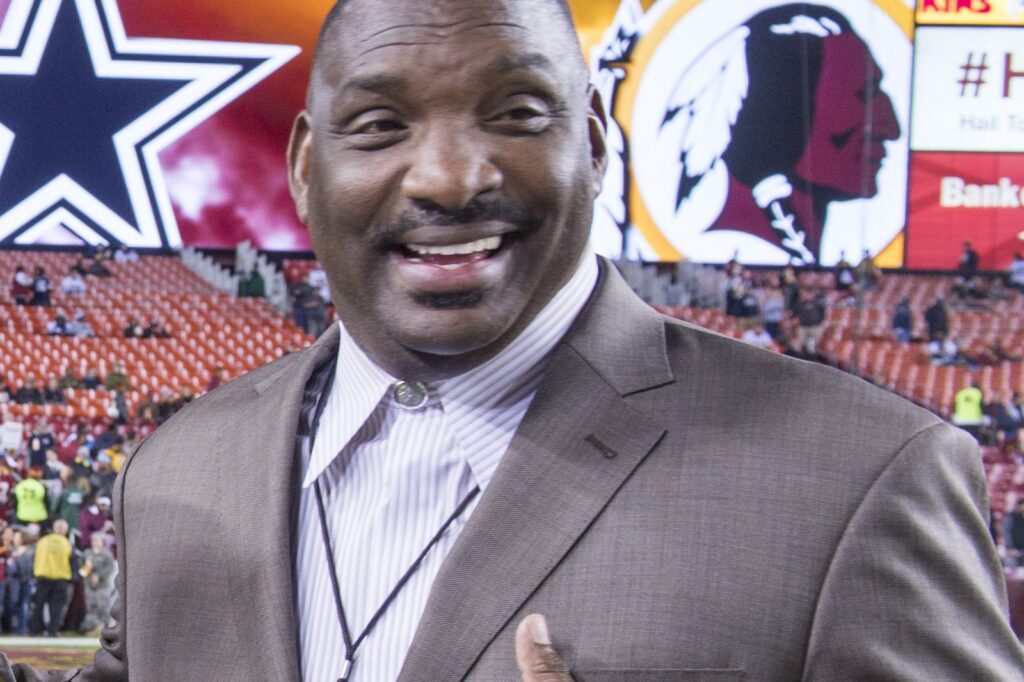
Photo: original: U.S. Army Staff Sgt. Chuck Burden of the Chief of Staff of the Armyder (Public domain)