Autopia’s Next Lap: Power From the Track, Not the Boot
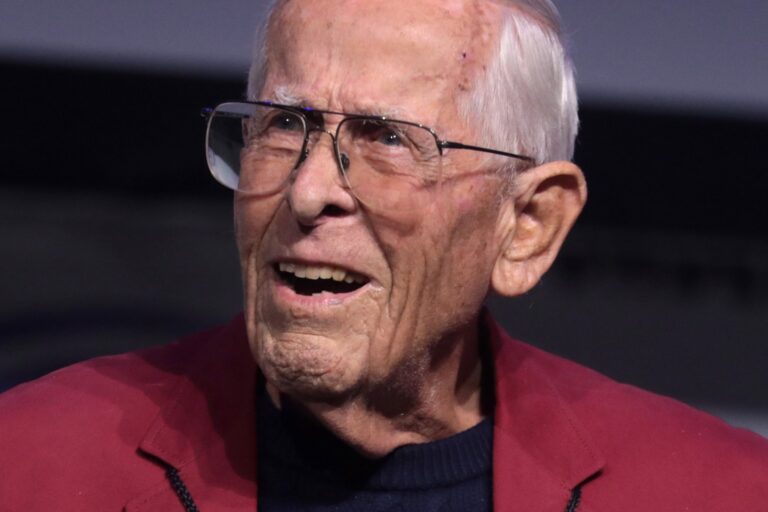
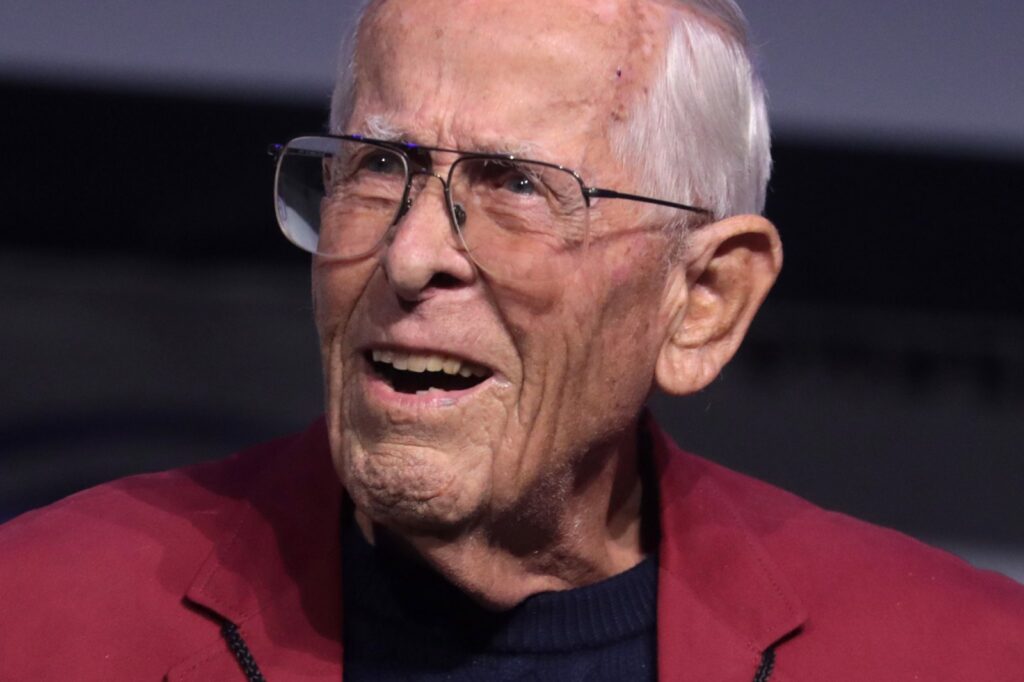
Disneyland’s Autopia, the 71-year-old Tomorrowland drive-your-own-car attraction, will not swap its petrol engines for ordinary electric cars with battery packs. According to the ride’s original designer, Bob Gurr, the next generation of Autopia will draw power from an electrified track, with no battery in each individual car.
“It will be electric, but not the conventional idea of a battery in a car,” Gurr told the New York Times. “It’s very different.”
What Gurr Saw Behind Closed Doors
Gurr, a Disney Legend who designed the original Autopia vehicles for Walt Disney, was invited by Disney executives to a Walt Disney Imagineering facility earlier this year to inspect a model of the revamped attraction. It was there, he said, that he learned the track itself would be energised, supplying the cars as they run the course.
Disney has not publicly confirmed the technical detail. The company says it is working on the design, engineering and testing of a fully electric Autopia ride vehicle prototype, and that more details on the Tomorrowland update will be shared soon. Closing and reopening dates have not been set.
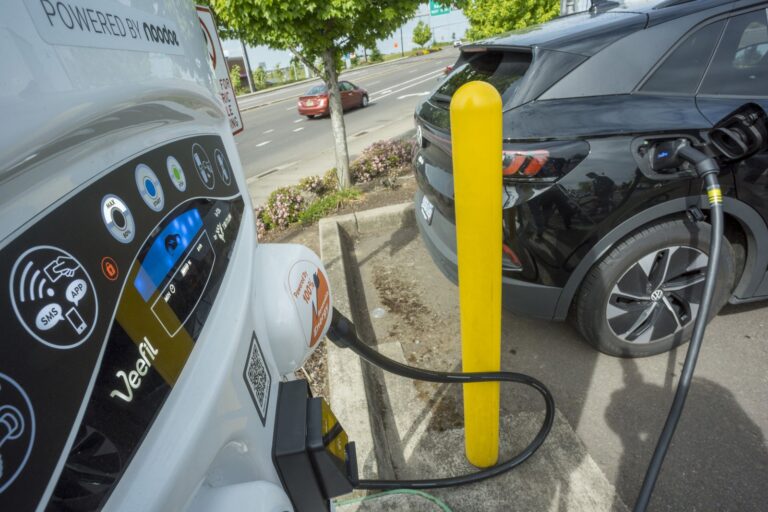
The distinction matters under the hood. A conventional electric ride fleet would mean a battery in every car, plus the charging infrastructure and downtime to keep them topped up. An electrified track moves that burden into the roadway, in principle keeping cars running with fewer recharging interruptions. Disney has not disclosed how electricity would be transferred to the vehicles.
Seventy-One Years of Small Engines
Autopia opened with Disneyland on July 17, 1955, with 40 brightly coloured miniature cars running on real petrol in the middle of Tomorrowland. The current fleet uses 8.5 horsepower Honda four-stroke engines. More than 210 million people have taken a lap in the 71 years since, according to the New York Times.
The ride has been redesigned several times, in 1959, 1964 and 1968, and an extensive refurbishment tied to the Chevron sponsorship closed it from September 1999 to June 2000. Sponsors have come and gone: Richfield Oil from 1955 to 1970, Chevron from 2000 to 2012, and Honda, which signed on in 2016 and whose arrival coincided with the last major overhaul.
For all that history, the exhaust has been the constant. Gurr has spent 26 years arguing it should go. “For 26 years, I’ve been arguing, ‘When are you going to do anything to get rid of that gasoline?’” he told the Times. “The dirtiest place on Earth is the Autopia attraction at Disneyland in the city of Anaheim.”
The California Deadline
The switch is not entirely voluntary. Under a settlement agreement with the California Air Resources Board, Disneyland must retire the gas-powered Autopia cars by February 1, 2027, or shut the attraction down. The state regulator enforces California’s emissions rules, and the ride’s small engines fall within them.
Disneyland paid a $56,000 settlement to the board in 2024 after disclosing that the Honda engines on the ride vehicles were operating without certified emission controls. Disneyland officials described the fine as the result of an administrative oversight that was promptly corrected with no impact to the environment.
The park had already announced in 2024 that it would convert Autopia to electric power, initially committing to an all-electric fleet by autumn 2026. That date has slipped, leaving the February 2027 deadline as the fixed point.
Honda Stays in the Picture, for Now
Honda’s current sponsorship agreement with Disneyland Resort runs through early 2027, and talks about what comes after are ongoing. “Discussions regarding the future of the partnership and sponsorship of the Autopia attraction are currently ongoing,” a Honda spokesperson told the Times. Gurr said Honda will continue as sponsor after the remodel.
There is an irony in the timing. The Honda Prologue, the carmaker’s only all-electric model, will be discontinued in December, so the brand’s name on a clean, track-powered Autopia will not be backed by a battery-electric showroom car.
What It Means for a Family Day Out
For visitors, the practical change is straightforward: the exhaust smell and engine rattle that have defined the Tomorrowland circuit give way to something quieter and cleaner. The rite of passage, children steering their own little car, survives. The cars themselves will no longer carry their own power supply.
Disney has framed the conversion within a broader commitment to reach net zero emissions by 2030 through increased use of renewable energy sources. Autopia’s contribution to that target is small in absolute terms, but it is the most visible petrol engine left in the park.
Not every Autopia is changing. The Tomorrowland Speedway at Florida’s Magic Kingdom still runs gas-powered cars, with no known plans to convert. Versions also operate at Disneyland Paris. Tokyo Disneyland has closed its own.
Gurr’s account came with an awkward coda: after the interview, his representative asked the Times to retract it, saying Disney had requested that Gurr stop giving interviews about the ride he designed. Gurr had not asked for the conversation to be off the record, and the Times published it.
The clock now runs to February 1, 2027, when the petrol engines must be gone or the ride goes dark.
Sources
- Disneyland to electrify Autopia track on classic 1955 ride, report says
- Disney Legend Bob Gurr Says Disneyland's Autopia Will Feature Electrified Track Instead of Car Batteries – WDW News Today
- New Autopia Details Emerge, Including Electrified Track
- Disneyland forced to pull plug on Autopia gas engines ahead of California mandate
- Disneyland to electrify Autopia track on classic 1955 ride, report says
- Plugging Into the Future: Bob Gurr Reveals Game-Changing Electrified Track Design for Autopia Overhaul
Photo: Gage Skidmore (CC BY-SA 3.0)