The math of a World Cup is never just about goals. For host cities, the real calculus sits in the street — how many strangers show up, what they do, and whether locals flinch or join in. Philadelphia got its answer Saturday morning.
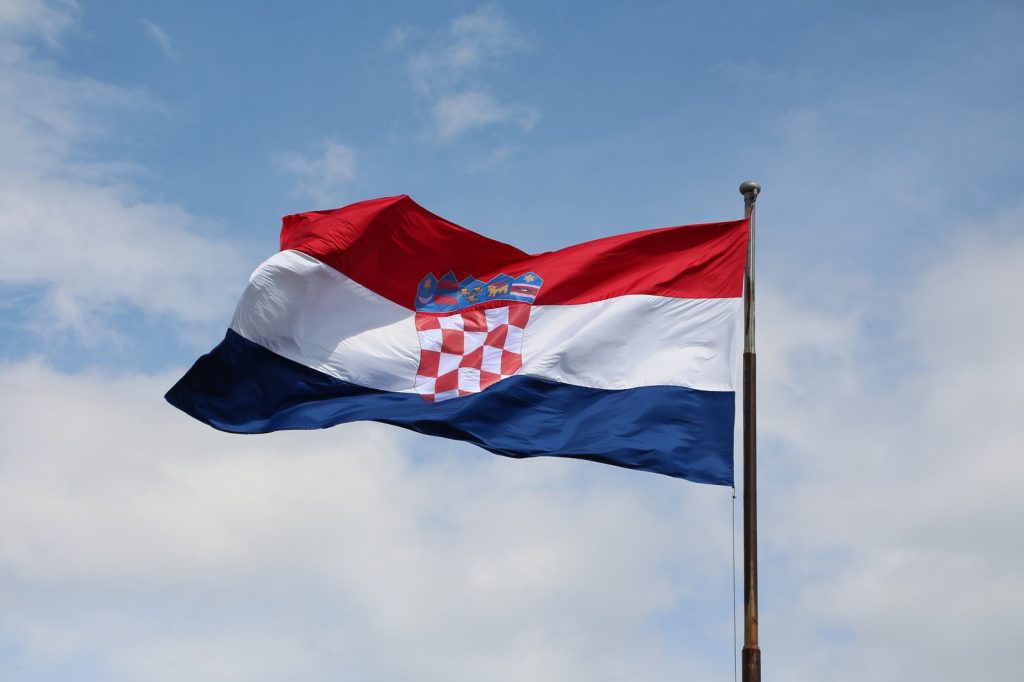
Around 8:30 a.m., an American couple trying to take wedding photos found themselves swallowed by Croatian soccer fans. The bride, groom, and bridesmaids ended up chanting and jumping with the crowd.
Barstool Sports posted the video on X. The caption was simple: “Croatia fans joined in a celebration of a new couple’s wedding photos today in Philly. The World Cup is AWESOME.” That word — awesome — carries weight.
It suggests something beyond tolerance. It suggests active delight.
This was not an isolated moment. The pattern is now clear. Scotland’s Tartan Army took over Boston.
Norway fans brought their Viking Row to Times Square. A European couple in Texas got invited off-roading and horse riding. An English fan declared his favorite American food “absolutely excellent.” The common thread: visiting supporters are not just behaving.
They are integrating. They are becoming part of the local texture.
Hosting the World Cup is a strategic bet. Cities spend billions on stadiums, security, and infrastructure. The return is supposed to come in hotel bookings and bar tabs.
But the invisible payoff — the social footprint — is harder to measure. These cross-cultural encounters are the real dividend.
They are unpredictable. They are human. And they cannot be engineered.
The Croatian contingent in Philadelphia represents the latest data point. A wedding photo shoot, typically a controlled, private affair, became a public celebration. Strangers became participants.
The boundary between visitor and local dissolved in a few seconds of chanting. No one planned it.
No one could have. There is a strategic lesson here for the tournament organizers and host cities. The official narrative always focuses on security and logistics.
The unspoken fear is that thousands of passionate fans will cause trouble. But the evidence so far tells a different story.
Incidents of negative impact have been very few. The dominant experience has been mutual enjoyment. This matters for 2026, when the United States will co-host the World Cup with Canada and Mexico.
The tournament’s footprint will be massive. The potential for friction is real. But if the current trend holds, the friction will be minimal.
The real energy will be in these spontaneous, joyful collisions. The couple in Philadelphia did not get a quiet photo shoot.
They got something better. They got a crowd of strangers who decided their wedding was worth celebrating. That is not a security risk.
That is a souvenir. What this signals about the tournament’s social footprint is clear.
Fans are not just coming to watch games. They are coming to participate in American life, however briefly. They are showing up early, in public spaces, ready to engage.
And Americans, so far, are engaging back. The calculus for host cities has always included the unpredictable human element. This summer, that element is paying off.
The World Cup is awesome. The numbers are proving it.
Sources
- Philly Newlyweds Get Free Croatia Trip After City Hall Photobomb
- American couple who went viral with Croatian fans to… | Croatia Week