
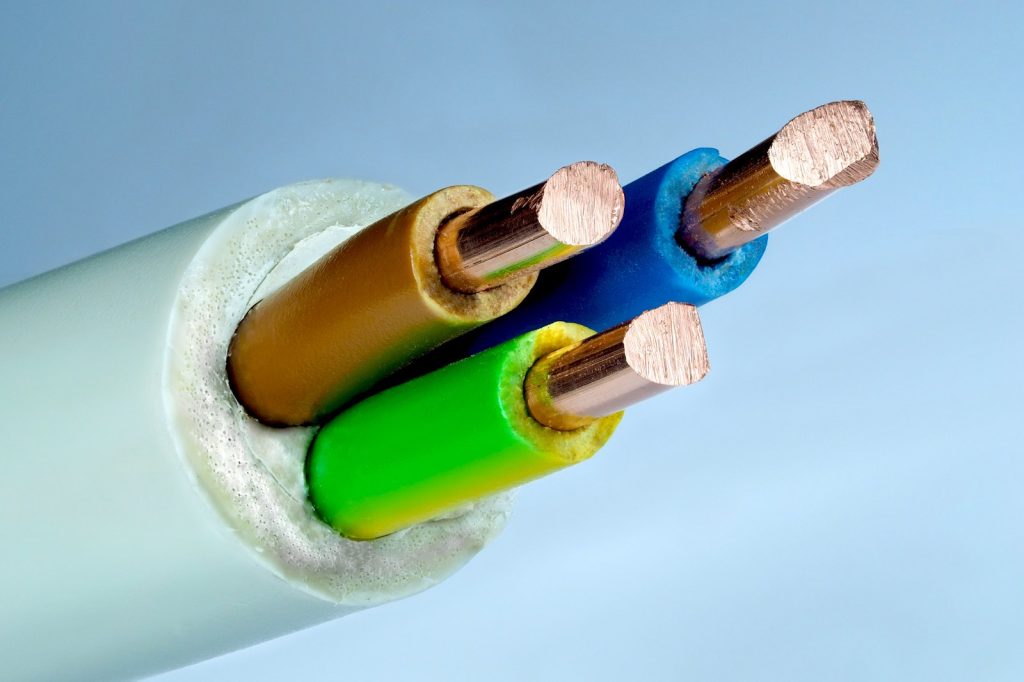
In 2023, thieves made off with $1.2 million in copper wiring from a Google data center construction site in Clarksville, Tennessee. That single heist, among the largest documented from a construction site in recent years, underscores a crime wave that has plagued American building projects for nearly two decades and now threatens the nation’s fastest-growing industrial sector: artificial intelligence data centers.
Decades of Losses, Intensifying After 2008
Copper theft from construction sites was already costing the U.S. economy an estimated $1 billion per year as early as 2007, according to the U.S. Department of Energy. The problem accelerated after the 2008 financial crisis, when copper prices rose from $1.30 per pound in 2008 to more than $4.50 per pound in 2011. That price surge turned copper wiring, piping, and grounding cables into prime targets for thieves who could strip unsecured sites quickly and sell the scrap for cash.
By 2013, 38 states had passed laws requiring scrap metal dealers to record seller information and hold payments for stolen goods. The intent was to create a paper trail that would make it harder for thieves to offload stolen copper anonymously.
But the measures have not stopped the trend. The National Insurance Crime Bureau reported a 25% increase in copper theft claims between 2020 and 2023. That spike coincides with both a post-pandemic construction boom and the emergence of a new, copper-intensive target.
AI Data Centers: A Fresh and Lucrative Target
The rise of AI data center construction since 2022 has provided thieves with a fresh set of targets. These facilities use up to 10 times more copper than traditional office buildings.
The wiring, grounding cables, and plumbing required to power and cool massive server farms make each construction site a potential jackpot for organized copper theft rings. The Google data center theft in Clarksville is a high-profile example of the vulnerability of AI infrastructure projects that are racing to come online. The FBI’s 2024 report on construction site thefts highlighted that copper remains the most targeted material due to its high scrap value and ease of resale.
Unlike other construction materials that require specialized equipment to transport or sell, copper can be stripped, loaded into a pickup truck, and sold at a scrap yard within hours. The FBI report also noted that copper theft is often part of broader organized crime operations targeting construction sites for multiple materials, but copper remains the primary prize because of its consistent scrap market demand.
Copper theft is not a victimless crime. The FBI’s 2024 report made clear that it delays construction timelines, increases insurance premiums, and adds costs to major infrastructure projects at a time when the U.S. is racing to build out AI computing capacity. The cost of copper theft is ultimately borne by builders and their insurers, and those costs are passed down the supply chain.
Why Enforcement Has Struggled
The 38 state laws passed by 2013 created a regulatory patchwork rather than a national solution. Scrap dealers in states with weak enforcement remain a ready market for stolen copper, and thieves have adapted by crossing state lines or using fake identification to bypass seller-recording requirements.
No comprehensive national scrap metal registry exists, and the legislative response has not been updated at the federal level. Copper’s fundamental appeal to thieves has not changed. It is lightweight, valuable, and ubiquitous in modern construction.
Every new building — and especially every new data center — contains miles of copper wiring that is vulnerable during the months-long construction phase when sites are often poorly lit, understaffed, and lacking permanent security systems. Construction site security has not kept pace with the value of the materials being stored.
Industry responses have been piecemeal. Some data center developers have begun using copper-aluminum alloy alternatives for less critical wiring, while others have invested in security patrols and surveillance systems during construction. But the fundamental economics remain unchanged: as long as copper trades at high scrap prices and construction sites remain vulnerable, theft will continue to be a profitable enterprise. The broader context of copper theft extends beyond construction sites.
The crime involves stealing items for the value of their constituent metal rather than for the items themselves. Thieves typically target copper wiring, pipes, and even statues, then sell the scrap for cash.
The thefts often cause damage far beyond the value of the metal, including power outages, railway disruptions, and electrocution risks. Rapid industrialization in developing economies drove demand for raw materials, which in turn made copper more attractive to thieves. Over the years, utilities, construction firms, and local governments have found themselves repeatedly replacing stolen wiring and infrastructure, incurring costs that extend well beyond the material lost.
Police and legislators tried to choke the market through state laws, yet the crime has proved stubborn.




