Cold weather cuts electric vehicle range by 39% and triggers tire pressure warnings across the fleet, according to fresh federal estimates and AAA dynamometer testing published this week. The numbers quantify what drivers feel every November: the physics of contraction and chemistry of cold batteries punish every powertrain, but not equally.
The Physics of Contraction
The tire pressure light is not a sensor fault. It is the ideal gas law in action. AAA Car Care notes that pressure drops roughly 1 PSI for every 10°F temperature decrease as the air inside the tire contracts. Since most monitoring systems only alert once a tire is about 25% below the placard pressure, the warning often arrives late. The technical reality is that pneumatic tires rely on compressed air containment for load transfer and shock absorption; under-inflation compromises both the contact patch and the sidewall’s ability to manage heat.
Quantified Penalties at 20°F
Federal estimates from fueleconomy.gov put conventional gasoline cars at roughly 15% lower mileage at 20°F versus 77°F in city driving, based on testing of older vehicles. Hybrids fare worse in AAA’s May chassis dynamometer runs — essentially a treadmill for cars — losing about 23% of fuel economy at 20°F compared with 75°F. The steepest penalty falls on battery-electric vehicles: the three EVs tested by AAA lost about 39% of their driving range at 20°F versus 75°F. As ever, the detail that matters is where the energy goes. In an EV, the battery must heat the cabin and itself without the waste heat an internal combustion engine provides for free.
Why Short Trips Suffer Most
Short trips of 3 to 4 miles can drop gasoline mileage up to 24% because the engine takes longer to reach its efficient temperature. Fueleconomy.gov advises limiting warm-up idling and combining errands to mitigate the loss. For EV drivers, AAA recommends preconditioning the cabin while the car is still plugged in, drawing grid power rather than battery capacity to bring the interior and pack up to temperature.
The Tread Depth Tipping Point
Tire performance degrades non-linearly with wear; it is not “good to the last drop” like fuel. Tire Rack testing identifies 4/32nds of an inch as the threshold where braking distances elongate significantly on wet pavement. The quarter test offers a quick field check: invert Washington’s head in the tread groove; if the top of his head is hidden, you have at least 4/32nds remaining. Below that, the safety margin collapses faster than the tread wears.
Equipment That Works in the Cold
For roadside inflation, the Wolfbox MegaVolt 24Air operates in temperatures as low as –4°F, combining a 4000A jump-starter with a tire inflator in a single unit. It charges from 0 to 100% in about two hours on its 65-watt fast charger and delivers up to 40 jump-starts per charge.
Sources
- Winter gas mileage, EV range and tire pressure: what to know
- Tire
- Big El Niño is poised to slam California. Is your vehicle ready? Here's how to prepare
- Legacy Tire & Auto Repair Wins Three Readers’ Choice Awards
- Our Editors’ Favorite Jump-Starter/Tire Inflator Combo Is 30 Percent Off for Black Friday
- Car Culture is in US: Goodyear’s Guide to The 2026 Los Angeles Auto Show
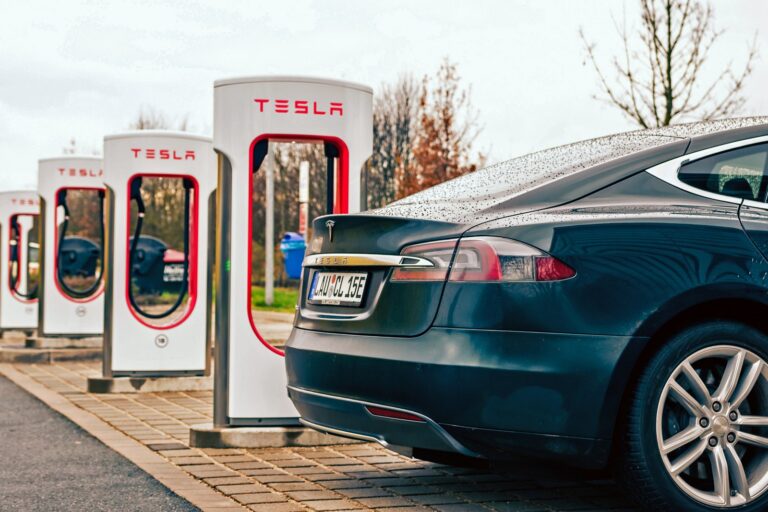
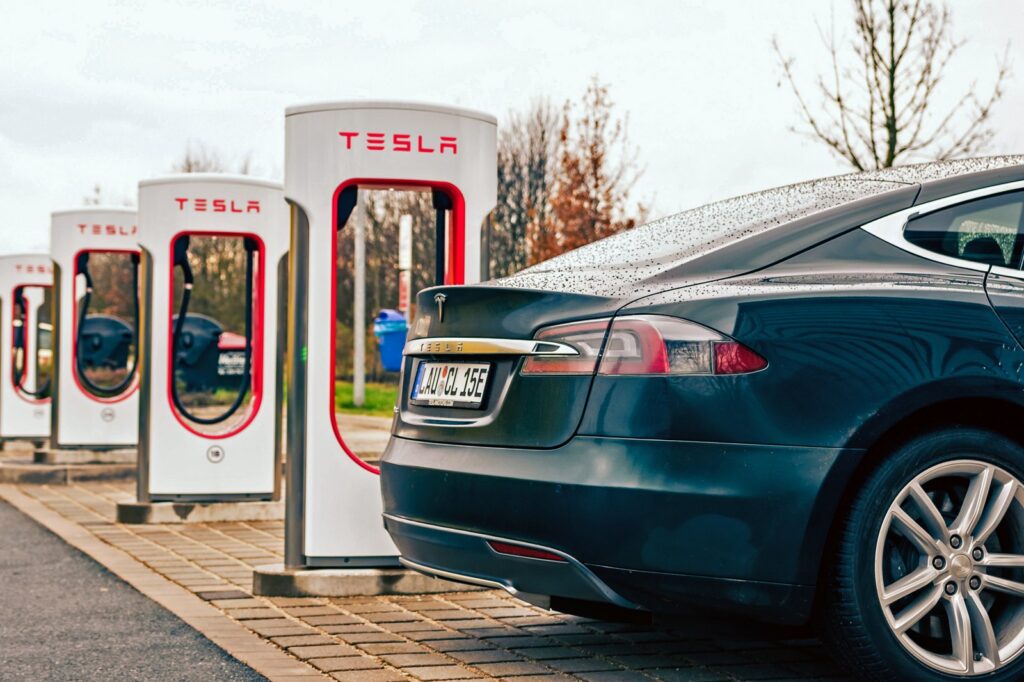
Photo: Model S charging at a Tesla station.jpg: Jakob Härter
derivative work: Mariordo (CC BY-SA 2.0)