
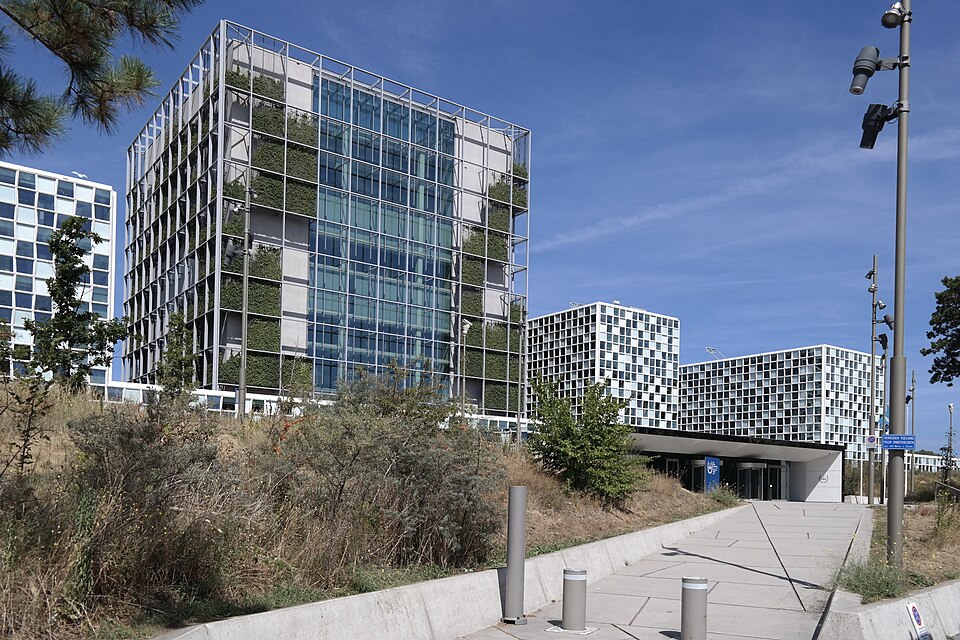
WASHINGTON, October 11 — The United States announced sweeping sanctions against the International Criminal Court on October 10, hours after former ICC judge Navanethem ‘Navi’ Pillay received the Nobel Peace Prize. Secretary of State Marco Rubio disclosed the measures in a video posted to social media, declaring the US would ‘ban transactions with this rogue court, cutting off their resources and crippling their ability to operate against us.’ The Trump administration asserted the ICC has exceeded its mandate by pursuing nationals of non-member states, referencing its 2024 arrest warrants for Israeli Prime Minister Benjamin Netanyahu and former Defence Minister Yoav Gallant over alleged war crimes in Gaza, as well as its earlier investigation into US personnel in Afghanistan. Although neither the US nor Israel is a party to the Rome Statute, the ICC maintains jurisdiction over alleged crimes committed by nationals of non-states parties on the territory of states parties.
The sanctions build on prior actions from 2024 and 2025 that targeted ICC judges, prosecutors, UN special rapporteur for Palestine Francesca Albanese, and Palestinian rights groups that submitted evidence to the court. In August 2026, ICC President Tomoko Akane and senior lawyer Abdoulaye Sey were also subjected to US sanctions, with Rubio stating the goal is to ‘protect Americans from this sham of a court.’ Under the new measures, any ICC assets held in US territories are frozen, and American companies are barred from conducting transactions with the court, though a six-month grace period was granted to wind down existing contractual relationships. Firms providing services to the ICC could face penalties under the sanctions regime.
William Schabas, professor of international law at Middlesex University, told Al Jazeera the ICC has been implementing a ‘plan B’ for over a year, including shifting to European alternatives for US software and severing ties with insurer Axa, which operates in the United States. Kenneth Roth, senior fellow at Yale University and former executive director of Human Rights Watch, characterized the US actions as an effort to ‘make the world safe for American and Israeli war criminals.’ The ICC denounced the sanctions as an ‘assault on the rule of law’ and a bid to ‘obstruct the course of justice,’ urging its 125 states parties to intervene to safeguard the court’s operational capacity. UN Secretary-General Antonio Guterres said he was ‘deeply alarmed’ by the decision, labeling it ‘a serious blow to our collective pursuit of international justice.’ Looking ahead, the effectiveness of the ICC’s contingency plans and the response from its member states will determine whether the court can sustain its investigative and prosecutorial functions amid sustained US pressure.




