
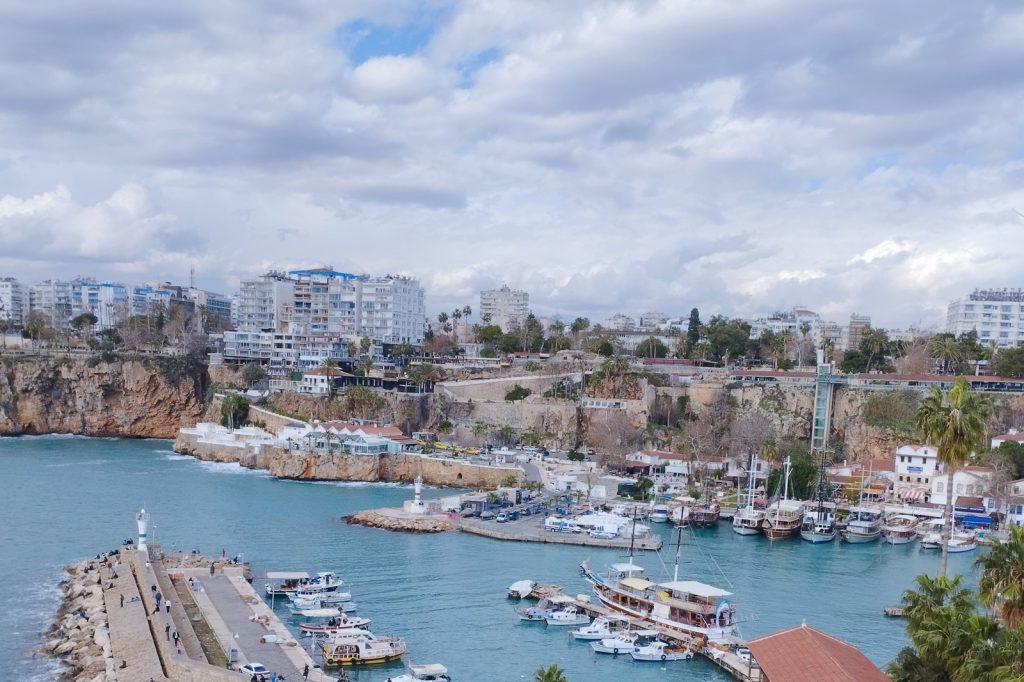
ANTALYA, September 26 — The economic machinery of global climate diplomacy is shifting eastward and southward, and the numbers attached to it are getting harder to ignore. Türkiye and Australia will jointly hold COP31, the next round of the United Nations Framework Convention on Climate Change, with the Turkish city of Antalya hosting the conference and Australia stewarding negotiations to advance Pacific regional priorities — strengthening climate resilience, climate finance and sticking as close as possible to the 1.5°C global heating threshold.
The arrangement splits hosting duties from negotiating leadership, an unusual structure for a process that normally hands both to a single presidency.
What COP actually is, and why the acronym travels
COP stands for “Conference of the Parties,” a generic term in international relations for a committee created after a treaty is signed, tasked with deciding how that treaty gets implemented. There are COPs for biodiversity, for chemical weapons, for a range of agreements. The term has nonetheless become shorthand for the climate meetings — the committee created after the signing of the UNFCCC.
A total of 154 countries signed that convention in June 1992, agreeing to combat harmful human impacts on the climate. Since then, COP meetings have been held almost annually to discuss how that should be achieved and to monitor progress.
Each is referred to by its number in the series — COP26 was the 26th such meeting. A different country takes the COP presidency each year, running the meeting, which usually means the host city moves too. New agreements tend to be named after the host city, such as the 2015 Paris Agreement or the 2021 Glasgow Climate Pact.
Washington steps back, again
In January 2025, shortly after his inauguration, President Trump formally began the process of withdrawing the US from the Paris Agreement for a second time, putting the country officially outside the pact by early 2026. The move places the US — one of the world’s largest emitters — back among a handful of nations outside the accord, casting a long shadow over the future of global climate negotiations. That is the backdrop Antalya inherits.
Politicians, diplomats and national government representatives are far from the only attendees. Many others join aiming to influence the outcome — some to push forward climate action and justice, others to advance their own interests.
Fossil fuel lobbyists attend to attempt to disrupt negotiations from pledging much-needed action to keep coal, oil and gas in the ground. The delegate arithmetic tells its own story. At COP27, there were twice as many fossil fuel lobbyists as delegates from the official UN constituency for Indigenous Peoples.
At COP28 in Dubai, a record number of industry lobbyists attended, with nearly 2,500 descending on the talks. At COP30 in Belém, Brazil, the first lobbyist disclosure measure was created, inviting attendees to publicly disclose who was funding their participation and sign a pledge confirming their goals aligned with COP’s.
Fossil fuel lobbyists still swarmed the conference, making up one in 25 of registered delegates — the largest share of attendees yet. On the opposing side, land and environmental defenders, including Indigenous Peoples, call for greater protections for their territories against exploitation by environmentally destructive industries such as logging, mining and industrial agribusiness.
Climate organisations such as Global Witness attend with partners to advocate for rapid and ambitious action while ensuring a just transition, but regulatory, economic, legal and physical barriers often prevent defenders, activists and civil society organisations from meaningfully participating in these global decision-making processes. Those most affected by the climate emergency are often not the ones who participate directly in negotiations.
Belém’s ledger: money pledged, money delivered
Despite high hopes for the first COP summit to happen in the home of the Amazon rainforest, Brazil’s COP30 failed to show the ambition needed to combat the climate crisis. What the summit did secure was an agreement to mobilise at least $1.3 trillion in climate finance every year by 2035, while also tripling climate adaptation funds.
The Tropical Forests Forever Facility — intended to reward tropical forest conservation with payments to forest-rich countries — launched, but with pledges amounting only to $6.7 billion, far from the target $25 billion to be unlocked by governments and philanthropies. As of July 2026, that total stays stuck at $6.8 billion, after the UK’s pledge.
Watch the gap between the $1.3 trillion annual mobilisation target and the $6.8 billion actually sitting in the forest facility. That spread — and whether Antalya narrows it — is the number to track when Türkiye and Australia take the gavel.




