
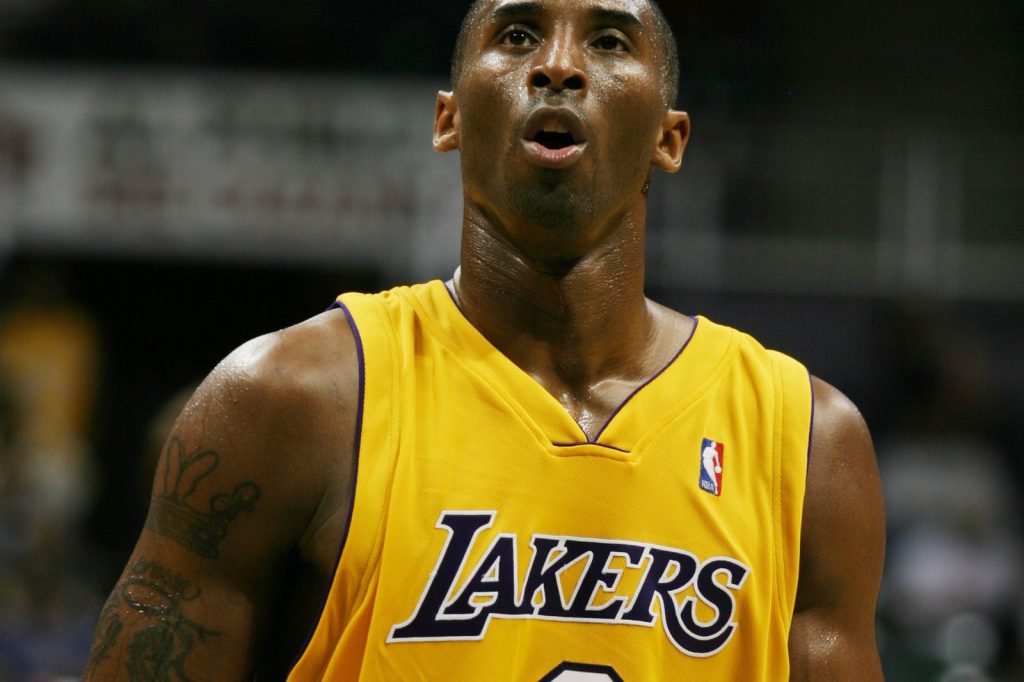
Within hours of the January 26 helicopter crash that killed former Los Angeles Lakers star Kobe Bryant, his 13‑year‑old daughter Gianna, and seven others, Nike’s online store ran out of every official Bryant‑branded item. By January 29 the company confirmed that its entire inventory of Bryant merchandise had been purchased, prompting a terse statement that the products “have sold out.” The rapid depletion echoed the post‑retirement surge of 2016, but the pace this time was unprecedented.
Industry analysts estimate that Nike moved roughly two million units of Bryant signature shoes and apparel in just three days—equivalent to about eight weeks of normal sales. The shortage quickly spilled over to secondary markets; eBay listed more than 65,000 Bryant‑related items, and sneaker prices on the platform quadrupled as resellers scrambled to meet demand. The scarcity was not the result of a deliberate pullback by Nike. Retailers across the distribution chain, from Foot Locker and Finish Line to Dick’s Sporting Goods, reported zero availability of Bryant products and indicated that restocking would not occur before late February.
Nike’s website now redirects searches for “Kobe” to a charcoal‑grey memorial page featuring the five‑time champion and expressing condolences to the families, but it offers no timeline for new releases. Physical stores experienced the same void.
The Lakers’ team store in Los Angeles emptied its shelves, and outlets from Las Vegas strip malls to London’s Foot Locker locations reported similar stockouts. The Los Angeles Times responded by printing an extra 30,000 copies of its January 27 front‑page portrait edition; those copies disappeared by Monday morning, leading the paper to schedule a second run of 50,000 copies priced at $15 each, which will not reach newsstands until mid‑February. Fans’ rush to acquire a piece of Bryant’s legacy stemmed from his two‑decade career with the Lakers, five NBA championships, and an Olympic gold medal.
The sudden loss at age 41 transformed the merchandise from ordinary consumer goods into symbols of collective mourning. The empty shelves and soaring resale prices reflect a cultural moment in which a sports icon’s memory is being commodified.
While Nike’s response remained muted, the company’s lack of a restock date has fueled speculation about the future of official Bryant gear. With the official supply exhausted, collectors and supporters face either inflated secondary‑market costs or extended waiting periods. The situation underscores how a tightly managed product line, built over years of marketing and fan engagement, can be overwhelmed by an unexpected, worldwide wave of grief.
As the market adjusts, the secondary market is expected to keep driving prices upward, benefiting resellers while leaving many fans to pay a premium for the limited items that remain. The digital memorial page now serves as a virtual headstone, and the sold‑out merchandise stands as a tangible reminder of the abrupt loss felt by a generation that grew up watching Bryant dominate the basketball court.




