
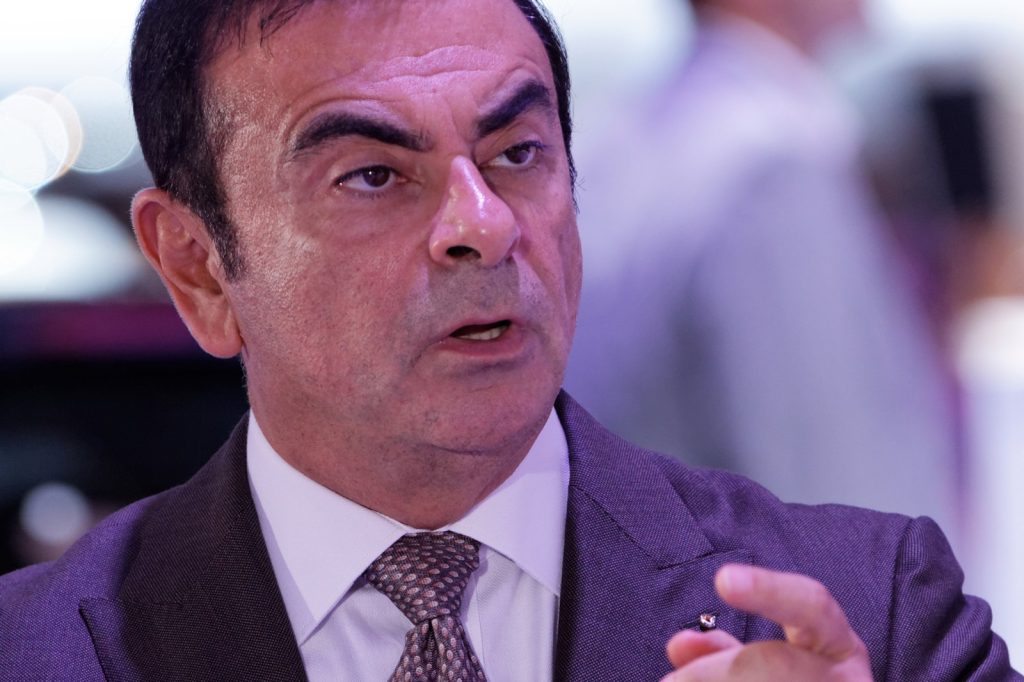
As of June 28, 2022, business observers continue to assess the professional journey of Carlos Ghosn, a former automotive executive whose career spanned more than 40 years. Ghosn occupied senior leadership positions at multiple global automakers, including Michelin, Renault, Nissan, and Mitsubishi Motors.
Ghosn began his professional path in 1978 at Michelin, Europe’s largest tire manufacturer. During his 18-year tenure there, he assumed numerous management roles, including oversight of South American operations. This period provided foundational experience that he later applied to more demanding industry challenges.
A defining moment arrived in 1999 when Renault purchased a substantial stake in Nissan, a Japanese automaker then facing financial difficulties. Ghosn relocated to Japan to direct the company’s turnaround.
He introduced restructuring initiatives designed to enhance Nissan’s financial standing. Under his guidance, the company regained profitability and improved its global market position. His reputation for reviving struggling enterprises grew substantially during this period. By 2005, Ghosn had assumed the CEO position at Renault while maintaining his leadership role at Nissan.
This dual responsibility demonstrated his capacity to oversee complex, multinational organizations. His experiences at both companies later shaped his leadership approach at other firms.
In 2016, following Nissan’s acquisition of a controlling interest in Mitsubishi Motors, Ghosn additionally became chairman of that company. This expansion of duties reflected his increasing influence within the automotive sector. At Mitsubishi Motors, he helped determine corporate strategy and direction.
His work there, combined with earlier achievements at Renault and Nissan, cemented his standing as a prominent industry figure. Throughout his career, Ghosn showed an aptitude for managing intricate organizational challenges and driving profitability in the businesses he led.
International recognition followed his accomplishments, and many consider him among the most successful automotive executives of his generation.
Industry Relevance Endures
As the automotive sector confronts major transitions—including the shift toward electric vehicles and broader economic pressures—the strategic insights from leaders such as Ghosn remain relevant. Although he no longer actively directs any major automaker, his influence persists in the approaches adopted by current executives.
Industry observers continue to examine the lessons from his career as they consider implications for future automotive leadership.




