
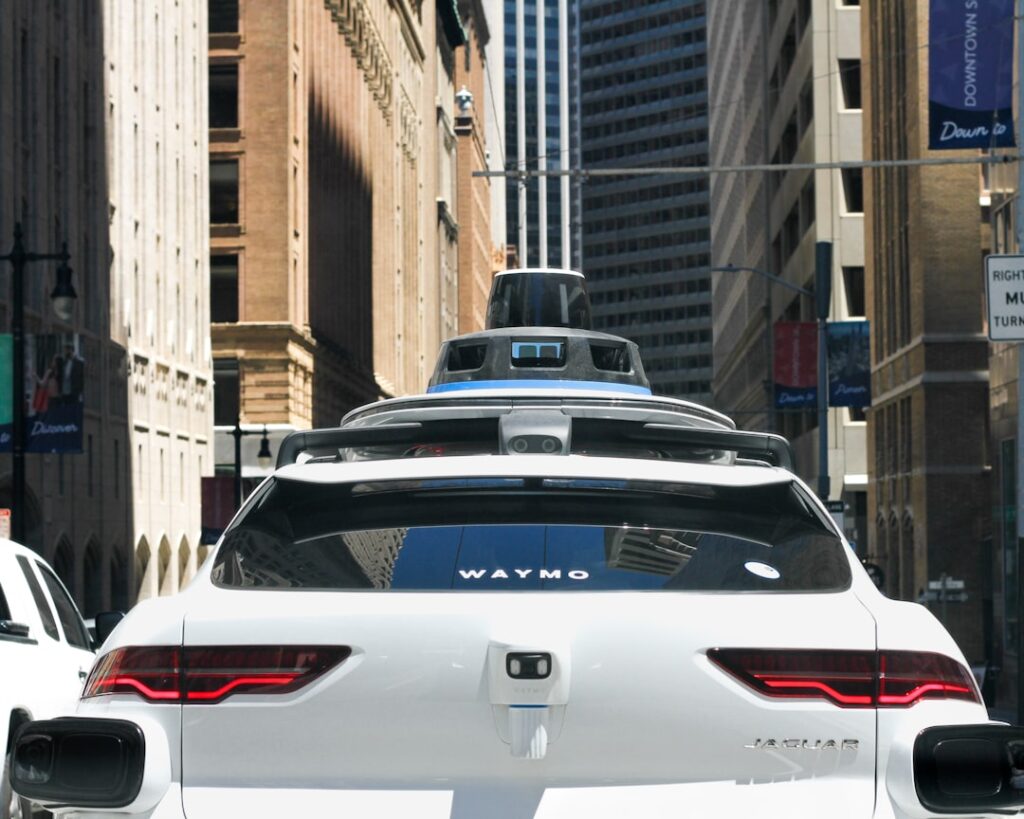
The debate regarding the viability of autonomous vehicles has shifted from theoretical possibility to a matter of timing as Waymo expands its paid robotaxi services. Currently operating in ten U.S. cities, the company has moved beyond the pilot phase, deploying a fleet of 3,700 vehicles that complete 500,000 paid trips every week. With 200 million fully autonomous miles logged, Waymo is now generating revenue from passengers rather than conducting mere test runs.
This rapid scaling places significant pressure on competitors like Lyft and Uber, who have spent years pursuing their own autonomous partnerships and programs. By establishing a functional fleet across multiple markets, Waymo has created a competitive lead that forces rivals to accelerate their own timelines to catch up to a company already operating at scale.
The expansion has also created a complex regulatory landscape. Operating in ten different cities requires Waymo to navigate ten distinct sets of local traffic laws and coordinate with various police forces and transportation departments. While some municipalities have embraced the technology, others have expressed concerns regarding the behavior of driverless cars during emergencies and the potential for human driver job losses. To assist regulators, Waymo points to its safety record, noting that it has operated without safety drivers since October 2020.
Financially, Waymo is supported by a substantial $11 billion in outside funding. This capital allows the company to prioritize safety and operational stability over immediate profitability. These funds cover the high costs of engineering, maintenance, and the management of thousands of vehicles across its current footprint. Maintaining a clean safety record is critical, as a high-profile accident could potentially stall the progress of the entire autonomous vehicle industry.
The company’s origins date back to the 2005 and 2007 DARPA Grand Challenges entered by the Stanford Racing Team. This early experimentation led to the launch of a Google project in January 2009. In December 2016, the project became an independent subsidiary of Alphabet and was renamed Waymo. Since April 2021, Co-CEOs Dmitri Dolgov and Tekedra Mawakana have led the organization, guiding its evolution from initial pilot programs to the current commercial model.
The physical presence of these vehicles—some of which lack steering wheels—introduces new challenges for urban environments. City planners are now grappling with issues such as pickup zone designation and curb management, as well as the interaction between autonomous cars, pedestrians, and cyclists. Meanwhile, labor groups continue to question the long-term viability of professional driving jobs.
Looking ahead, Waymo’s trajectory remains uncertain. While the company could potentially double its presence within a year, it may instead choose to prioritize profitability. However, the $11 billion investment, the 200 million miles of experience, and the high weekly ride volume indicate strong investor and public interest. Despite the risks of tightening regulations or a sudden shift in public perception following a potential accident, Waymo has achieved a milestone no other firm has: the creation of a multi-city, commercial robotaxi service operating at scale.




