
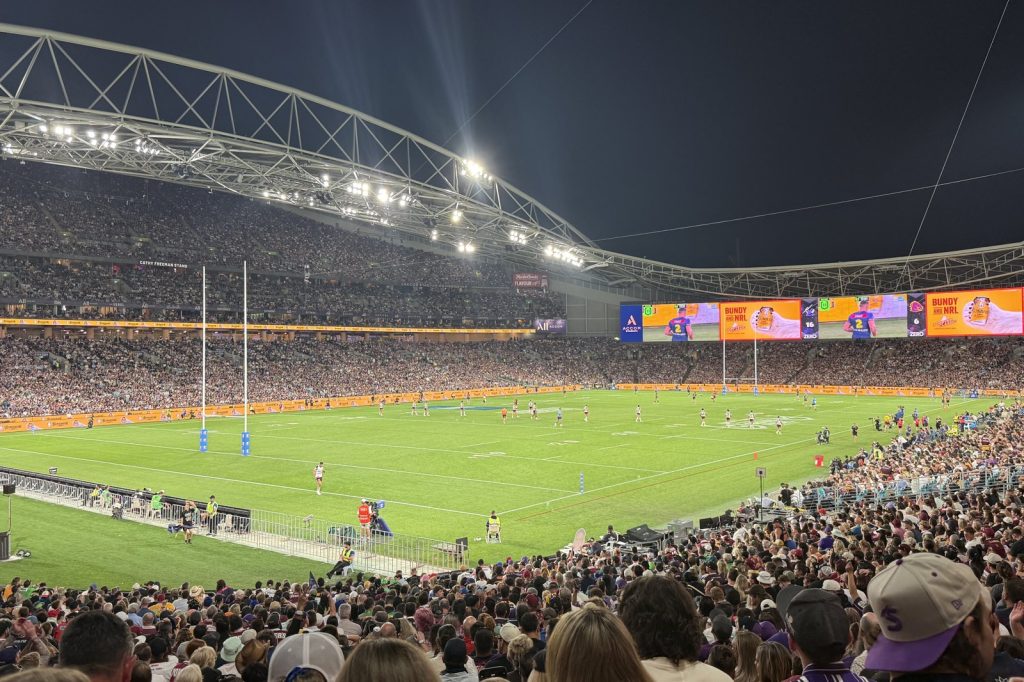
The numbers are big. Really big. A combined $5.3-plus billion deal between Foxtel, Nine Entertainment, and the NRL is reportedly about to be signed.
That is a record. It comes just one week after Canberra unveiled its bill to crack down on sports betting ads.
This is not the first time we have seen this pattern. Look back a few years. In 2021, Cricket Australia signed a $1.2 billion broadcast deal with the same players.
At the time, politicians were talking about problem gambling. The ads kept running.
The money kept flowing. The media companies kept collecting. The government’s bill is meant to reduce exposure of children and vulnerable communities to betting ads.
That is the stated goal. But the timing of this deal — a week after the bill’s details were announced — tells a different story. It tells the story of an industry that has built its business model around betting revenue and is not about to give it up easily.
For broadcast networks, marquee sports have become programming lifeblood. That is not new.
But the reliance on gambling advertising as a meaningful contributor to that revenue is a relatively recent development. Ten years ago, sports betting ads were not the dominant force they are today. Then came the 2018 repeal of the ban on broadcast gambling ads during live sport.
The floodgates opened. The media companies fought hard to keep the status quo.
They lobbied intensely. They did not get everything they wanted. But they got close.
The proposed changes do not ban gambling ads outright. They restrict where and how much inventory can be placed, and how close those ads can sit to the live action. The networks can still sell ad space.
They can still make money. The record deal suggests they will keep making a lot of it.
Compare this to what happened in the United Kingdom. In 2019, the UK introduced a whistle-to-whistle ban on gambling ads during live sports. The ban was strict.
It covered pre-watershed hours. The result?
Gambling ad revenue for broadcasters dropped. But the broadcasters did not collapse. They found other revenue.
They adjusted. The Australian version is softer. It is not a ban.
It is a restriction. The difference matters.
The question now is whether these reforms will change anything for the media giants. The networks generally do not say how much they earn from gambling ads. That opacity makes it hard to measure impact.
But the signing of a historic deal — one that reportedly tops $5.3 billion — suggests the economics remain healthy. The government wants to curb gambling influence.
The media companies need the revenue to keep broadcasting the sport. Something has to give. But looking at the track record, it is hard to see what.
The lobbying was intense. The outcome was close to the status quo. The deal is record-breaking.
The pattern is clear. Each time reforms are announced, a big sports deal follows.
Each time, the money keeps moving. Each time, the vulnerable communities the bill is meant to protect stay exposed to the same ads, just slightly further from the action.




