
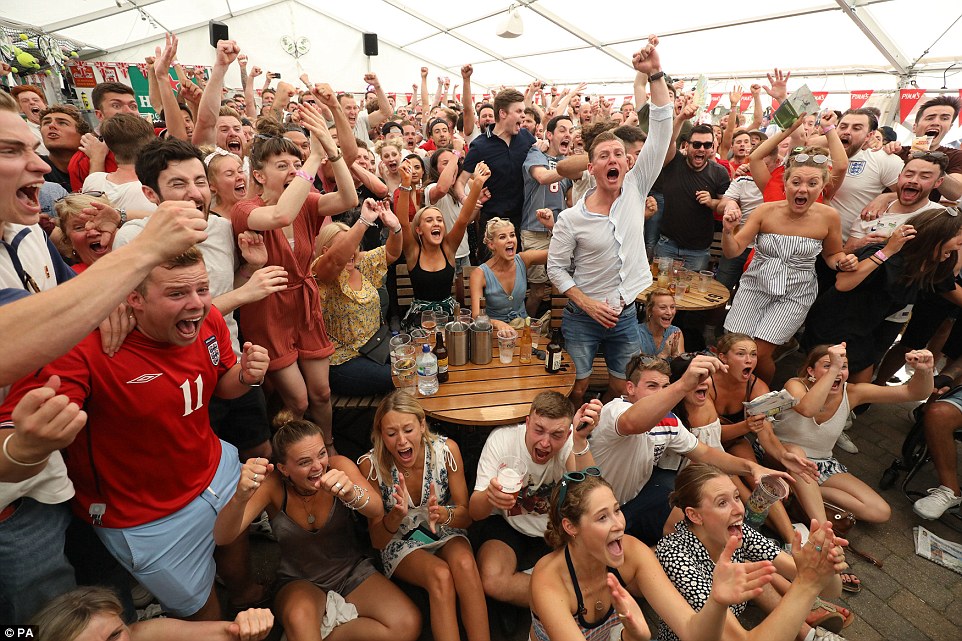
Late last week, a government order landed on police desks across England. Pubs can stay open until 5 a.m. on a Monday in June. The reason: England plays Mexico in the World Cup, kick-off at 1 a.m. The decision was made late.
Police unions are angry. They say the timing is creating chaos in their roster systems.
They point to a known risk — late-night heat, alcohol, sport. A combination that tends to increase violent incidents. This is not a new problem.
England’s route through the tournament was known months ago. The unions argue that.
Better preparation was possible. An early announcement would have given them time. But that would have cost the government something else.
As one observer put it, an early announcement would have negated the political benefit. The gesture is populist. It is a feel-good move from the top.
Timing is part of the message. The government itself acknowledges the tension.
It frets about productivity. The UK economy lacks growth. The government worries about that a lot.
Yet it also sees a difference between the cost of things and the value of things. A nation that lets its hair down now and then gets an intangible benefit.
People feel life is good. They share common moments — joy or heartache, of the sporting kind. The thinking goes that feeling good is good for the economy.
That it belongs on the socio-political balance sheet as a positive. These fleeting gestures come and go. A single Monday in a single year.
Open until five in the morning. Then back to normal.
But Andy Burnham is talking about something more structural. He is discussing giving the pub trade a tax-based lift. The kind normally reserved for Irish politics.
Changing tax law would be a longer-term lift. Not a one-off.
Burnham gave his first broadcast interview on this. The details are still emerging. But the direction is clear.
What is at stake here is a choice. Short-term populism versus long-term reform. The World Cup decision is the short-term version.
It is easy. It is popular.
It makes people feel good. It costs the government nothing in direct spending. It costs the police in overtime and roster headaches.
The unions carry that cost. The government gets the credit.
Burnham’s proposal is harder. Changing tax law takes time. It requires legislation.
It has opponents. It has a price tag in lost revenue. But it would be structural.
It would not depend on a football match. It would not require a late-night announcement.
It would be a permanent change in how the pub trade is treated. The contrast is instructive. One gesture is about a moment.
The other is about a sector. One is reactive.
The other is planned. One creates chaos for police. The other would create stability for businesses.
The government likes the first kind. It produces headlines. It feels good.
The second kind is work. It is not a photo opportunity.
Police unions are not the only ones watching. The pub trade is watching. The government is watching itself.
It knows the tension. It knows the cost of things and the value of things.
It just has not decided which matters more. The World Cup decision tells you where it leans right now. Burnham’s interview tells you where it could lean next.
The two are connected. They are also very different. One is a gesture.
The other is a policy. One is for a Monday.
The other is for years.




