
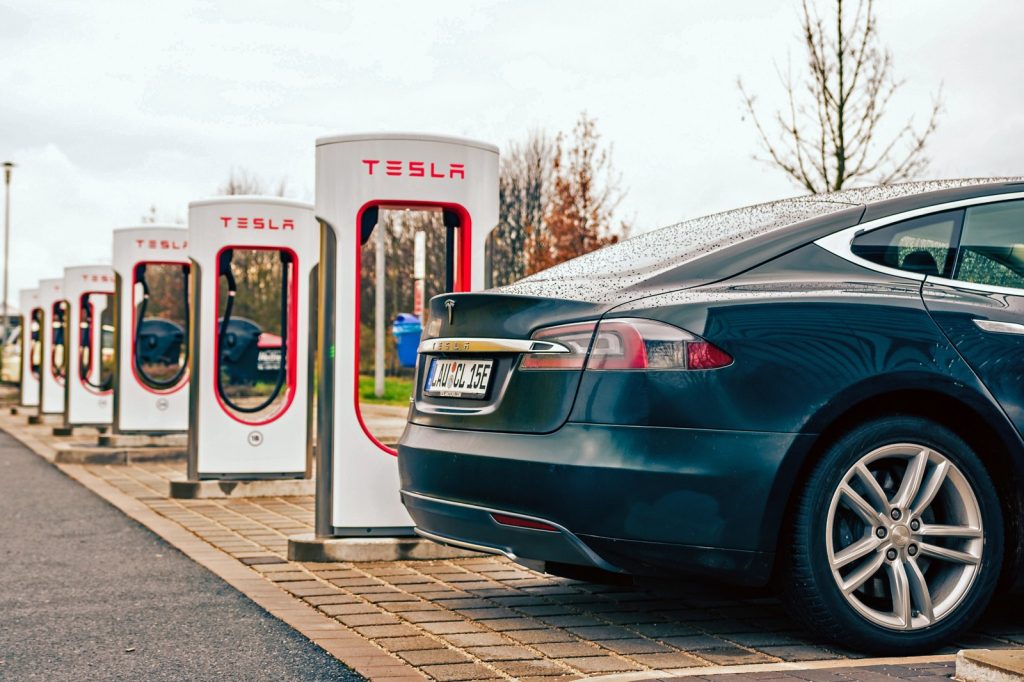
DETROIT, September 11 — The electric vehicle has come a very long way from a curiosity, and the numbers now make the case better than any marketing department could. Global EV sales approached 14 million units in 2023, about 18% of all vehicles sold worldwide, according to figures tracing the sector’s rise from niche to mainstream. That is not a blip.
It is a structural shift in how the world’s cars are built, bought and powered — and it has happened with remarkable speed.
From 38% to near-extinction, and back
The first practical EVs appeared in the late 19th century. By 1900, electric cars accounted for roughly 38% of US automobiles — a fact that tends to surprise anyone who assumes the technology is new. Cheap gasoline and mass-produced internal-combustion vehicles then pushed them aside for the better part of a century.
Modern interest revived in the 1990s with California’s Zero Emission Vehicle mandate in 1990 and General Motors’ EV1, leased from 1996. The modern era proper began with the launch of the Nissan Leaf and the Tesla Model S in 2010 and 2012 respectively.
Tesla, founded in 2003, delivered its first car, the Roadster, in 2008. Global EV sales surpassed 1 million units for the first time in 2017. By 2020 they reached about 3 million, roughly 4% of global auto sales.
In 2021 sales more than doubled to 6.6 million, about 9% of the market. In 2022 they climbed to over 10 million, roughly 14% of total sales.
China’s dominance, and the policy levers
China dominates the market. In 2023, Chinese buyers purchased about 8 million EVs — roughly 60% of global sales. Europe accounted for about 3.2 million, and the United States about 1.4 million.
The United States has seen significant policy shifts. The Inflation Reduction Act of 2022 introduced a $7,500 consumer tax credit for qualifying EVs, while imposing domestic content requirements.
In 2023, the EPA proposed stricter tailpipe emissions rules aimed at making two-thirds of new US vehicle sales electric by 2032. Automakers have invested heavily. General Motors announced plans to sell only zero-emission vehicles by 2035; Ford committed to an all-electric lineup in Europe by 2030; Volkswagen pledged 70% of its European sales to be electric by 2030.
Tesla became the world’s most valuable automaker in 2020 and in 2023 produced about 1.8 million vehicles.
The technical reality under the hood
Battery costs have fallen dramatically. Lithium-ion battery pack prices dropped from over $1,100 per kilowatt-hour in 2010 to about $139 per kWh in 2023, according to BloombergNEF. That is the detail that matters most: the pack is the single most expensive component in an EV, and its collapse in price is what makes the rest of the transition arithmetically possible.
Charging infrastructure is expanding. The US had about 160,000 public charging ports in 2023, while China had over 2.7 million.
Challenges remain, including raw material supply constraints for lithium, cobalt and nickel, grid capacity, and consumer range anxiety. The transition has also sparked labour tensions, such as the 2023 United Auto Workers strike, which won concessions related to EV battery plants. As the industry transforms, legacy automakers face competition from new entrants like Tesla, BYD and Rivian, while governments balance incentives with protectionism.
The shift to EVs represents one of the most significant technological and industrial transformations of the 21st century. What to watch next: whether battery prices keep falling, whether the charging build-out in the US closes the gap with China, and how the raw material supply chain for lithium, cobalt and nickel holds up under the pressure of rising demand.




