
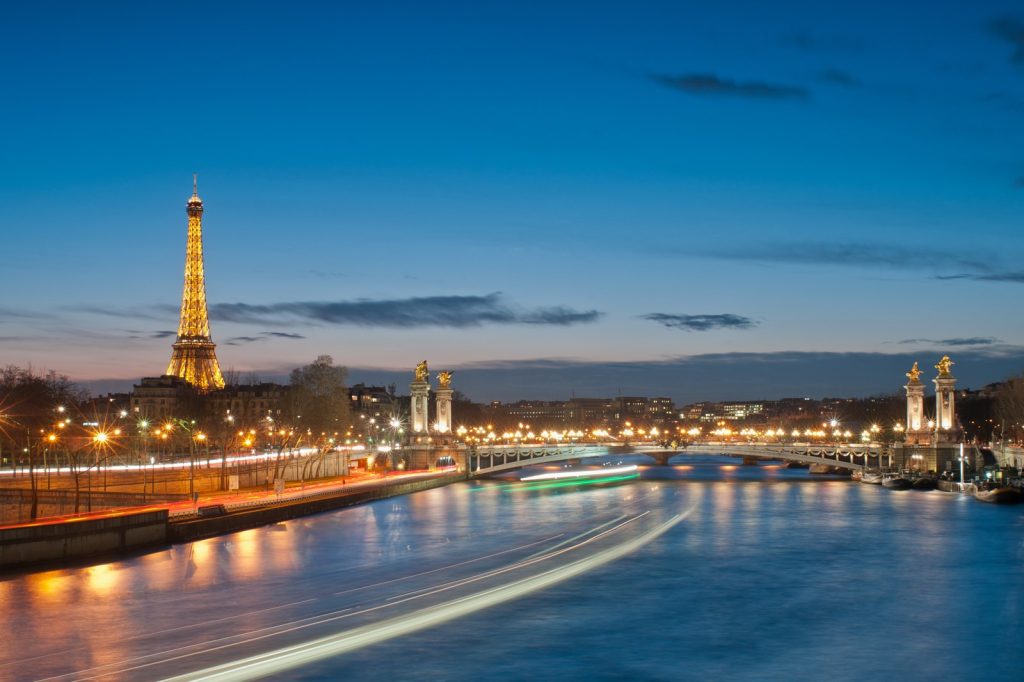
On the evening of 26 July 2024, the Paris 2024 Summer Games began in a manner never before seen in Olympic history. Instead of a traditional stadium arena, the opening ceremony unfolded along the Seine River, with athletes travelling by boat past iconic landmarks such as Notre‑Dame, the Musée d’Orsay and the Eiffel Tower. The formal protocol took place on a temporary platform erected in the Jardins du Trocadéro, where President Emmanuel Macron officially declared the Games open.
This unprecedented choice broke a 128‑year tradition of indoor, bowl‑shaped ceremonies that had been a constant since the modern Olympics were revived in Athens. By converting the city itself into a stage, the organizers made Paris’s historic architecture and riverfront the backdrop for the world’s largest sporting celebration, turning the event into a public spectacle rather than a ticketed stadium show.
The timing of the ceremony was laden with symbolism. It coincided with the 130th anniversary of the International Olympic Committee’s founding, the centenary of Paris’s previous hosting of the Summer Games in 1924, and the 235th anniversary of the French Revolution. These milestones underscored France’s long‑standing connection to the Olympic movement.
The artistic portion of the evening was organized into twelve acts, each drawing on French cultural heritage. Performances included the French metal group Gojira, pop star Aya Nakamura, and singer Philippe, whose music interwove with the athletes’ procession.
Unlike past ceremonies where the artistic program concluded before the athletes entered, Paris blended the two, allowing music to continue as the flotilla moved past the illuminated monuments. Starting at 19:30 CEST, the ceremony took advantage of the natural shift from daylight to dusk. As the sun set, the city’s landmarks transitioned from muted daylight tones to glowing night‑time illumination, a visual progression that was incorporated into the production rather than overridden by artificial lighting. Security concerns were raised about the openness of a river‑based parade through the heart of the capital.
Organisers responded by deploying a substantial police presence and restricting public access to the riverbanks for several days before the event. The measures created a secure environment while preserving the expansive feel of the outdoor setting.
Athletes themselves experienced a different kind of parade. Rather than marching in formation on a stadium track, they stood aboard vessels that carried one or several nations. Smaller delegations shared boats, while larger teams occupied dedicated craft.
The athletes waved, posed for photographs and took in the passing scenery, offering a more intimate, albeit less orderly, atmosphere compared to traditional stadium marches. The ceremony culminated with the lighting of the Olympic cauldron, a moment that traditionally marks the climax of the opening rites.
This finale capped a night that redefined expectations for Olympic pageantry, aligning with Paris’s promise to deliver a distinctive edition of the Games. By using the Seine as a runway and the city’s historic sites as a living set, the Paris 2024 opening ceremony highlighted both the continuity of Olympic tradition and the host nation’s willingness to innovate. The event not only celebrated sport but also reminded the world of France’s pivotal anniversaries, reinforcing why this particular Olympiad holds special significance.




