
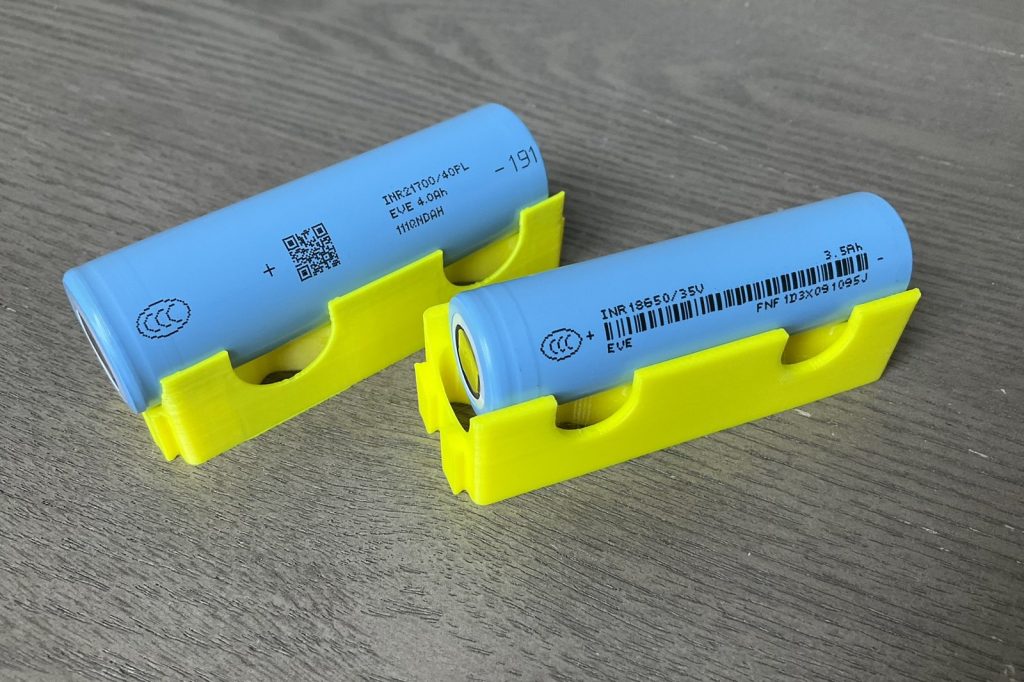
BEIJING, July 6 — The lithium-ion battery, first commercialised by Sony in 1991, has become the defining technology behind the modern electric vehicle. According to BloombergNEF, the cost of lithium-ion battery packs fell by 89% from 2010 to 2022, dropping from $1,200 per kilowatt-hour to around $132 per kWh. That price decline has reshaped the global automotive industry.
A typical EV battery pack today contains 40-100 kilowatt-hours of capacity, delivering between 150 and 400 miles of range per charge. The technology offers high energy density—typically 250-300 watt-hours per kilogram—along with long cycle life, making it the dominant choice for automakers.
Yet the supply chain behind these batteries remains highly concentrated. Figures show that over 70% of global lithium production comes from just two countries: Australia and Chile. For cobalt, a key component in many cathode chemistries, over 70% is mined in the Democratic Republic of Congo.
The main materials in a lithium-ion cell include lithium, cobalt, nickel, manganese, and graphite. China dominates the manufacturing stage.
The country produces about 75% of all lithium-ion cells worldwide, a position that gives it significant leverage in the EV supply chain. This concentration has prompted governments in the United States and Europe to push for domestic battery production, though scaling up takes years. Battery recycling is emerging as a potential solution to resource constraints.
Companies such as Redwood Materials are aiming to recover 95% of the metals from spent batteries. If successful, recycling could reduce dependence on primary mining and lower the environmental footprint of battery production. Looking ahead, solid-state batteries are under active development.
Companies including Toyota and QuantumScape are working on the technology, which promises higher energy density and improved safety compared to current lithium-ion cells. Commercial production is expected after 2025, though the timeline remains uncertain.
The industry is watching closely. For now, lithium-ion remains the workhorse, but the next generation of batteries may already be in the labs.




