
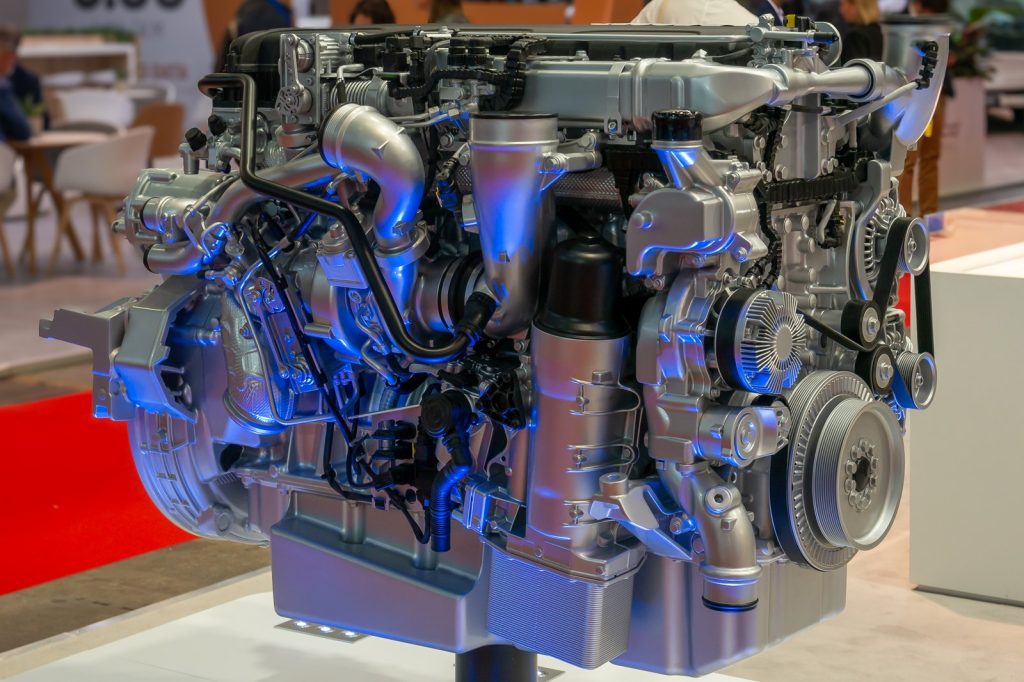
DETROIT, July 6 — The diesel engine, a century-old workhorse of global industry, continues to prove its staying power through a simple but ingenious process: compression ignition. It is a technology that, in plain terms, uses heat generated by pressure rather than a spark to get things moving. A diesel engine compresses air to a ratio between 14:1 and 25:1, which raises the air’s temperature to between 400 and 600 degrees Celsius.
Fuel is then injected directly into the combustion chamber, where it ignites spontaneously due to the heat. The practical upshot of this design is that it eliminates the need for spark plugs.
More importantly, it allows for those higher compression ratios, which translates directly into greater thermal efficiency. Early diesel engines achieved about 26% efficiency. Modern turbocharged diesel engines, however, have pushed that number much higher, reaching between 40% and 50%.
That efficiency gap is a big deal. It means more of the fuel’s energy is turned into actual work, and less is wasted as heat.
The engine’s robust construction, built to withstand those intense pressures, also means it can handle a beating. Diesel fuel itself offers another advantage. It has a higher energy density than gasoline, providing more energy per liter.
This is one reason why long-haul trucks, trains, and heavy construction equipment have relied on diesel for so long. The engine’s ability to run on various fuels, including biodiesel, also adds to its versatility. So, what does this mean for the average person?
It explains why so many of the goods we buy arrive on time. It explains the power behind the farm equipment that harvests our food.
The technology is not flashy, but it is a fundamental piece of modern life. Here’s what to watch next: The push for cleaner combustion and alternative fuels continues. As engineers find ways to further reduce emissions while maintaining that high thermal efficiency, the compression ignition engine is likely to remain a critical part of the energy landscape for years to come.




