
DHAKA, June 30 — Bangladesh has reversed its longstanding policy of taxing electric vehicles heavily, unveiling a sweeping set of incentives that analysts say could reshape transport markets across South Asia. Finance minister Amir Khasru Mahmud Chowdhury, presenting the budget for the fiscal year starting July 1, announced zero tariffs on imports of electric buses and trucks, a complete waiver on charging station equipment, and higher taxes on fossil-fuel-powered vehicles. The move is the first coordinated government initiative to modernise Bangladesh’s transport system, according to the finance minister.
Pollutants from thousands of diesel-run buses and trucks have aggravated air pollution in mega-cities like Dhaka and Chattogram. The transport sector contributes 9% of greenhouse gas emissions, the minister said in his budget speech on June 11.
The human toll is stark. According to UN estimates, more than 235,000 people die every year from complications due to air pollution in Bangladesh, with hundreds of thousands more suffering from asthma and other respiratory diseases.
Zero tariffs, full exemption
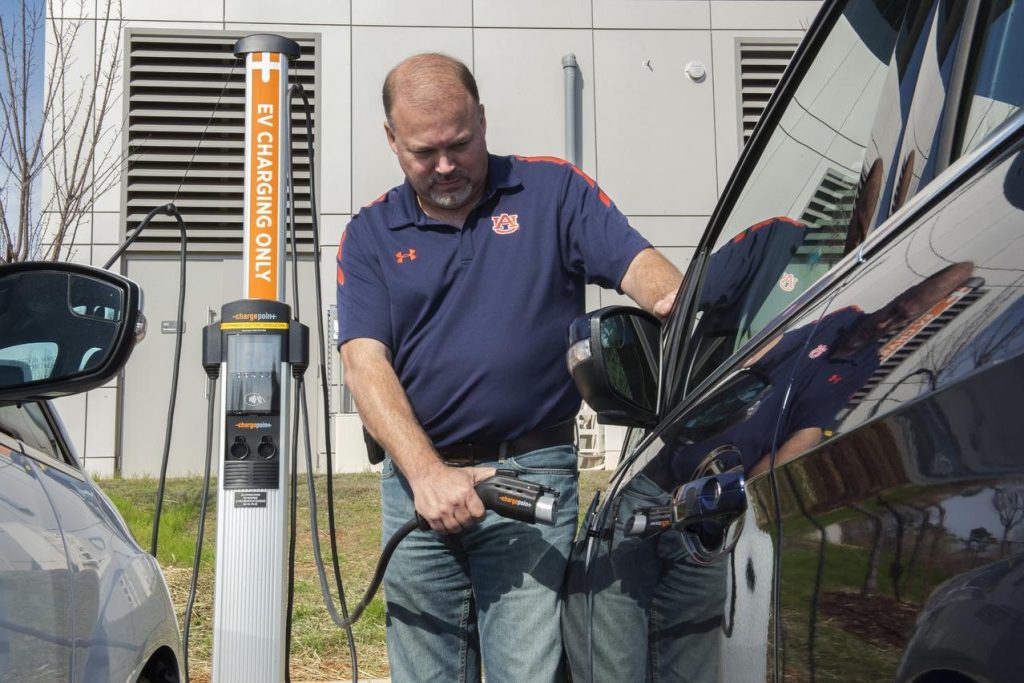
Chowdhury proposed a “full exemption (except value-added tax)” on the import of electric buses and trucks, extending the facility until June 30, 2030. “A nationwide charging network is essential for the smooth operation of electric vehicles. To support this, I propose reducing the total tax incidence on EV chargers and charging stations from 39.75% to 0%,” the finance minister said in parliament.
The incentives also cover solar energy production equipment, which will enter at zero tariffs. Registration fees for EVs have been reduced.
At the same time, the government hiked tariffs on fossil-fuel-powered transport, creating a price wedge designed to push fleet operators toward electric alternatives. For Indian EV manufacturers and component suppliers, the policy shift opens a new export corridor. Bangladesh has long been a market for Indian commercial vehicles, and the zero-tariff window for electric buses and trucks could accelerate cross-border supply chains.
Indian firms producing charging infrastructure, batteries, and two-wheelers may also find a more welcoming regulatory environment.
Market implications across Asia
The policy lands as several Asian governments reassess their EV strategies. Bangladesh’s move from taxing electric vehicles to offering sweeping exemptions signals that smaller economies are willing to leapfrog fossil-fuel infrastructure if the fiscal conditions are right. Analysts note that the coordinated tariff structure — covering vehicles, charging, and solar generation — reduces the fragmentation that has slowed EV adoption in other markets.
The finance minister framed the incentives as a tool to cut carbon emissions and combat air pollution, not as a climate emergency measure. That framing aligns with the energy-security and cost-benefit arguments that have driven EV adoption in India and parts of Southeast Asia.
What to watch next is implementation. Bangladesh’s previous policy of heavy EV taxation had kept electric vehicles at the margins. The new tariff structure, running through 2030, gives manufacturers and fleet operators a clear planning horizon.
If the charging network materialises as planned, Dhaka and Chattogram could see a meaningful shift away from diesel buses within the next few years. For now, the budget speech has set the direction.
The market will watch how quickly customs officials, port authorities, and local regulators translate the zero-tariff announcements into actual clearance procedures.




