
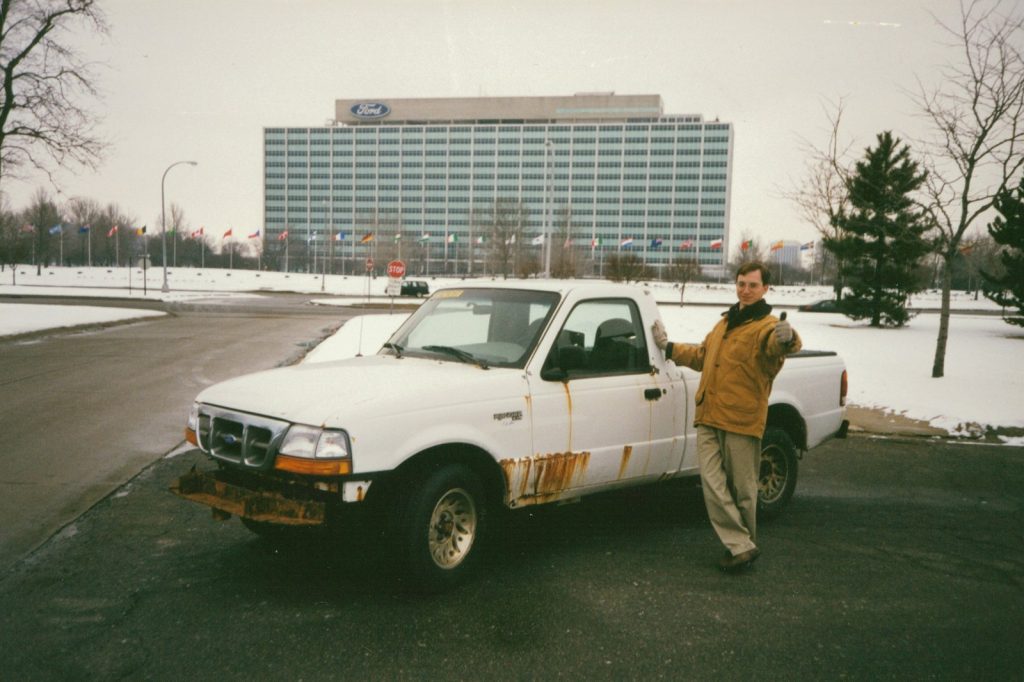
DEARBORN, Mich. — Ford Motor Company has brought back former employees and hired or promoted more than 350 experienced engineers after acknowledging that an over-reliance on artificial intelligence and automation damaged vehicle quality. The figure that matters: more than 350 specialists are now working to undo the damage from what the company calls a mistaken belief about AI. Ford Vice President of Hardware Engineering Charles Poon was blunt about the miscalculation.
“We mistakenly believed we could create a high-quality product simply by implementing artificial intelligence,” Poon said. The problem, he explained, is that AI could not replace the years of hands-on expertise that veteran engineers took with them when they left the company.
By the numbers, the quality fallout was severe. Automated systems began making errors, and those errors translated directly into more recall campaigns. Ford has been among the leaders in U.S. vehicle recalls, and the company is still dealing with the consequences of past problems.
Here is the bottom line on the fix: Ford did not just hire fresh talent. It actively recruited former employees whose knowledge had never been fully transferred into digital systems before they departed.
Those veterans now have two jobs — training younger engineers and improving the data sets used to train the AI algorithms themselves. The company also created a separate software quality control team and deployed more than 100,000 automated AI tests. Those tests allow Ford to check systems before vehicles ever reach the market.
The company is betting heavily that better data and human oversight will fix what pure automation broke. There is early evidence the strategy is working. In the latest J.D.
Power Initial Quality Study, Ford took first place among mass-market automotive brands in initial quality. That is a sharp reversal for a company that had been sliding on quality metrics as its AI-first approach backfired.
What to watch next: whether Ford can sustain that quality improvement while continuing to integrate AI into its manufacturing and design processes. The company is not abandoning automation — it is trying to build systems that learn from engineers rather than replace them. The more than 350 engineers now in the pipeline will determine whether that balance holds.




