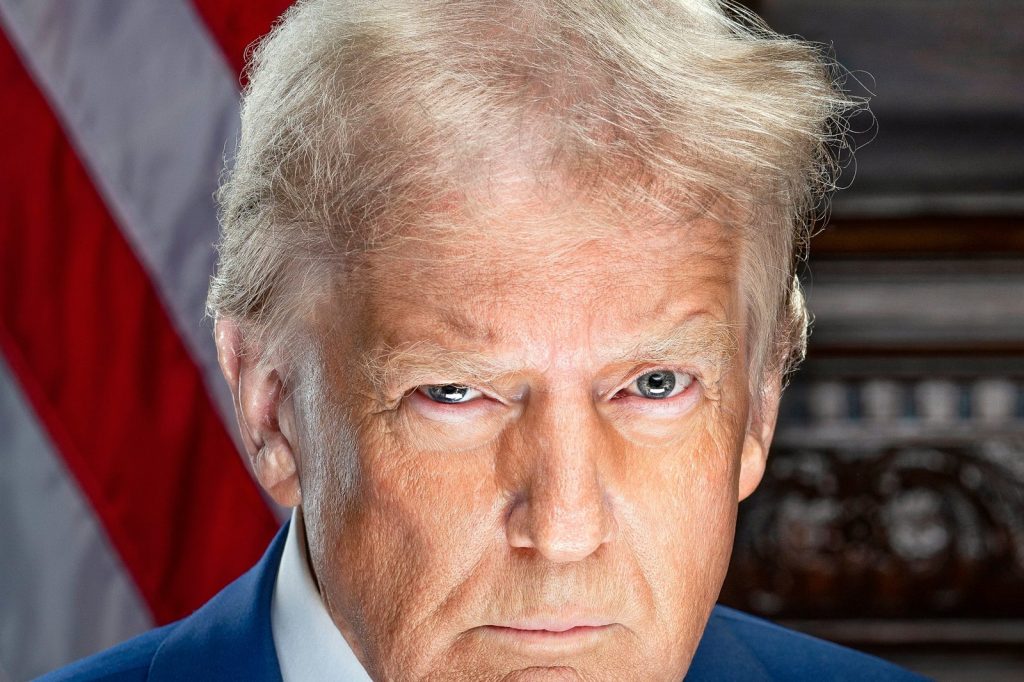
WASHINGTON, June 11 — A dramatic turn of events unfolded as former President Donald Trump claimed that Iran leaked false information regarding the terms of a peace deal. Trump asserted that the terms Iran released to the media have no basis in reality, stating “The terms that Iran leaked out to the Fake News have nothing to do with the terms that were agreed to, in writing.” This statement highlights the deep-seated distrust between the two parties.
He described the Iranian regime as “very dishonorable people to deal with” and emphasized that “with them, there is no such thing as dealing in good faith.” This characterization underscores the challenges of negotiating with a government perceived as untrustworthy. The situation is precarious, with a lack of transparency and trust hindering progress.
Trump’s statement suggests that Iran’s actions have compromised the integrity of the negotiations. A key aspect of the situation is the role of the media in disseminating information. Trump’s reference to “Fake News” implies that the media has been complicit in spreading false information.
As the situation continues to unfold, it remains to be seen how the parties involved will proceed. The lack of trust and transparency creates an uncertain environment.
The actions of the Iranian regime will be closely watched. Any further attempts to leak false information or undermine the negotiations will likely be met with skepticism. The US will likely be looking for evidence of good faith from the Iranian regime.
Given the history of tensions between the two nations, it is unlikely that trust will be reestablished quickly. Looking ahead, the next steps in the negotiations will be crucial in determining the trajectory of the relationship between the US and Iran. As the situation develops, it will be essential to monitor the actions of both parties.