
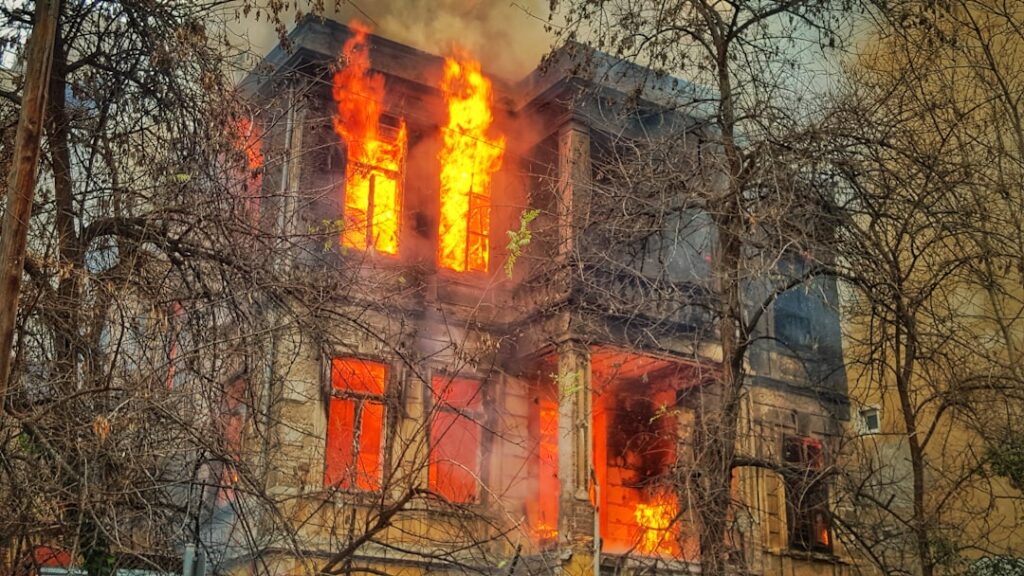
A fire that claimed five lives in a hostel in Pszów, Silesian Voivodeship, last Sunday has drawn attention to the broader context of the global budget accommodation market. The incident did not occur in isolation; it unfolded within an industry valued at US$7.21 billion in 2023, a figure expected to rise by 6.5 percent each year through 2030. The hostel in question offered low‑cost dormitory beds, a model that attracts young travelers and backpackers who trade private space for lower prices.
Guests share bathrooms, kitchens and lounges, which keeps rates down but also introduces specific hazards. Cooking takes place in communal kitchens without constant supervision, and the simultaneous use of phones, laptops and chargers creates considerable electrical demand in shared lounges.
Twelve people were injured in the blaze, while five occupants were unable to escape. These numbers are concrete outcomes of a sector that already operated thousands of facilities before the pandemic‑driven travel rebound. In 2019, an estimated 5,829 hostels were in operation worldwide; applying the cited compound annual growth rate suggests the current total is higher.
Each new hostel typically occupies a building that may have been converted from another use, often an older structure not originally designed for high‑density, transient lodging. Poland, like many countries, maintains building codes and fire‑safety regulations, but the existence of rules on paper does not guarantee their enforcement in every establishment.
The layout of such facilities can exacerbate danger. A fire that ignites in one kitchen can quickly obstruct stairwells, and guests unfamiliar with the building’s escape routes have only seconds to reach safety. In the Pszów incident, five individuals did not find an exit in time.
Industry analysts note that the market’s expansion translates into more dormitories, more shared cooking areas and more travelers sleeping in rooms they have never seen before. The US$7.21 billion valuation reflects millions of bed‑nights annually, each carrying the same inherent risk that manifested in the tragedy.
Survivors—those twelve injured—provide firsthand testimony about conditions inside the hostel and will be crucial to investigators probing the fire’s origin, the performance of alarms and sprinklers, and the adequacy of exit routes. The central inquiry, however, extends beyond the immediate cause: does the rapid growth of the hostel sector outpace the safety infrastructure needed to contain it? Operators face a tangible decision.
They can allocate resources toward fire‑rated doors, suppression systems, staff training and routine inspections, or they can opt not to. The outcome in Pszów illustrates the potential cost of the latter choice—five fatalities and a dozen injuries, leaving a Silesian community to reckon with a loss that the expanding global lodging market cannot afford to repeat.
While demand for affordable lodging shows no sign of diminishing, the pressing question remains whether safety measures will keep pace with the industry’s upward trajectory.




