
Within hours of the Jan. 26 helicopter crash that claimed the lives of five‑time NBA champion Kobe Bryant, his 13‑year‑old daughter Gianna and seven others, every official Kobe‑branded item on Nike’s website vanished. By Jan. 29 the company confirmed that its entire inventory had been sold, ending speculation that Nike had deliberately pulled products to block resellers.
Visitors to nike.com who search “Kobe” are now redirected to a charcoal‑grey memorial page featuring a portrait of the late star and a condolence message. Nike gave no timeline for a restock, and its retail partners—Foot Locker, Finish Line and Dick’s Sporting Goods—report zero availability of Bryant shoes or apparel, with the next shipment not expected before late February. The surge in demand was staggering.
Analysts estimate that roughly two million units of Bryant signature shoes moved in just three days, equivalent to about eight weeks of normal sales. The speed of the sell‑out eclipsed the post‑retirement clearance of 2016, but occurred in a fraction of the time.
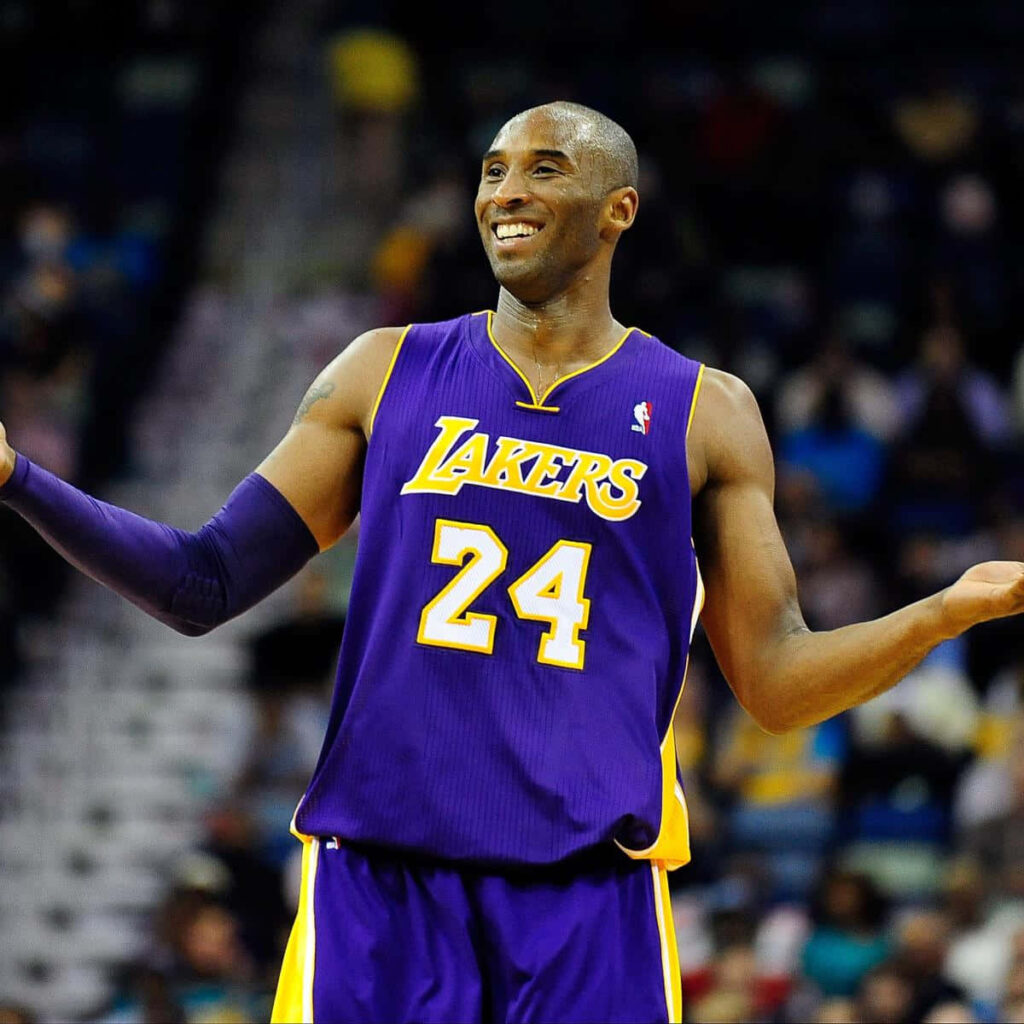
In Los Angeles, the Lakers Team Store capped lines at 200 shoppers and limited purchases to one item per customer. Even with those controls, No. 24 and No. 8 jerseys were gone by noon on Jan. 27. A store manager, who asked to remain anonymous, said the outlet shifted more Bryant stock in 48 hours than in the entire previous year.
Online, NBAStore.com still listed wall decals and commemorative plaques on Jan. 28, but all jersey sizes displayed “temporarily unavailable.” On eBay, more than 65 000 new Bryant listings appeared between Jan. 26 and Jan. 29—a 700 % increase over the prior four‑day period. The marketplace said it is monitoring for price‑gouging but has not removed any posts.
Resale prices exploded. StockX recorded 1 700 Kobe‑related sales on Jan. 26, compared with a daily average of 60 the month before. The median price of the 2010 “Grinch” Kobe 6 sneaker leapt from $200 on Jan. 25 to $1 200 on Jan. 27.
A 1996 Topps Chrome rookie card graded gem‑mint 10 fetched $1 million on eBay, placing it among the five most valuable basketball cards ever listed. Local sellers responded in various ways.
Jaysse Lopez, owner of Las Vegas consignment shop Urban Necessities, announced on Instagram that any post‑crash price hikes would be reset to pre‑tragedy levels. Her shop, which holds about 1 000 pairs of Bryant shoes for consignors, froze new listings for 48 hours and rolled back several doubled asking prices. By contrast, StockX said it would not intervene, arguing that its transparent data curbs extreme spikes seen on unmoderated forums. The Los Angeles Times printed an extra 30 000 copies of its Jan. 27 front‑page tribute edition; every copy was sold out by Monday morning.
A second run of 50 000 copies, priced at $15 each, will not reach newsstands until mid‑February. Fans on the ground also felt the pressure.
Outside Staples Center on Jan. 29, 23‑year‑old Carlos Alvarez showed a purple No. 24 jersey bought from a street vendor for $120—three times the original retail price. “I had to have something tangible,” he said. “It feels like a piece of him is gone, and this is what’s left.” Collectibles groups urged caution.
Karen Smith, administrator of the Facebook community “Kobe Collectors Unlimited,” warned members on Jan. 28 to resist “feeding the flippers,” arguing that profiting from tragedy sets a harmful precedent. Some boutique sneaker shops have voluntarily capped prices or donated proceeds to the MambaOnThree Fund, which supports the families of the other crash victims.
Industry observers expect the frenzy to subside once Nike replenishes stock and the initial wave of emotional buying wanes. Until then, empty shelves, million‑dollar cards and long lines around city blocks illustrate how deeply Bryant’s death has reverberated through the sports‑retail landscape. Fans who simply want to wear his colors face premium prices, weeks‑long waits for restocks, or the alternative of keeping a commemorative newspaper as a keepsake rather than an investment.




