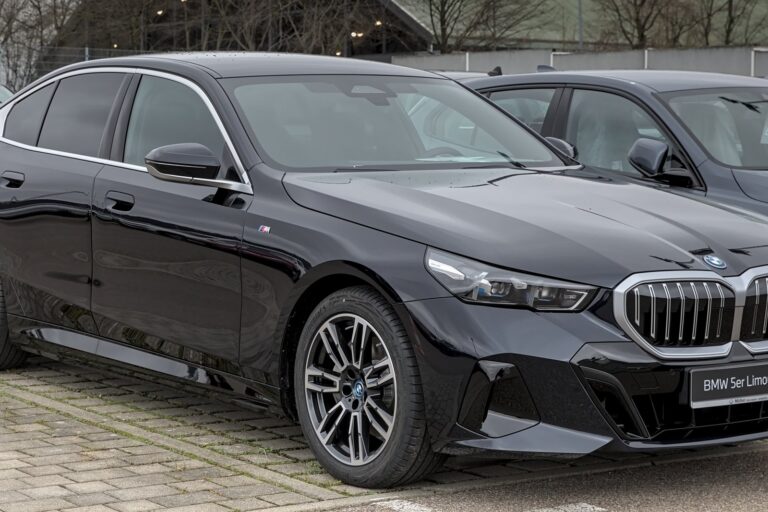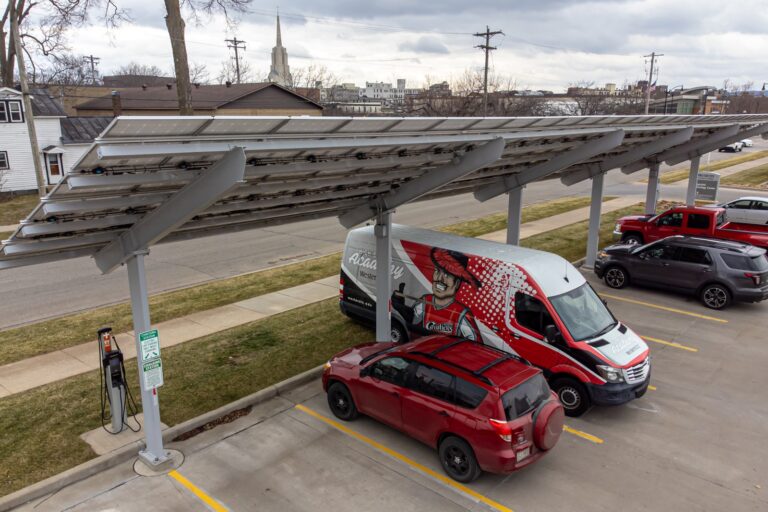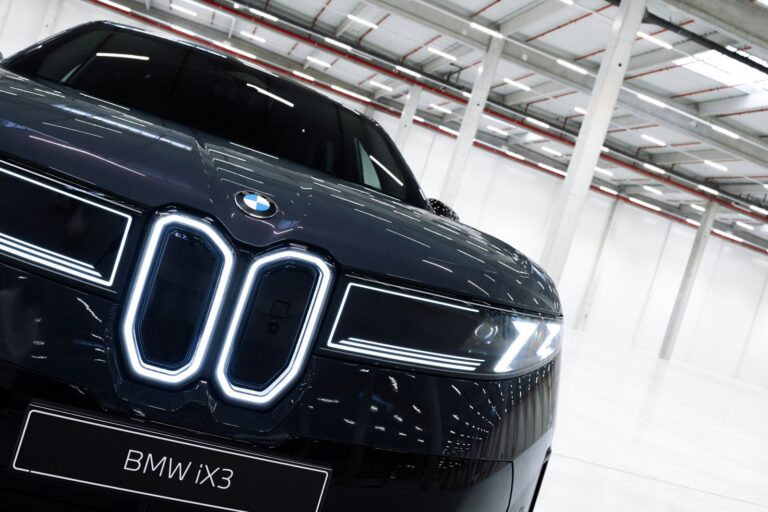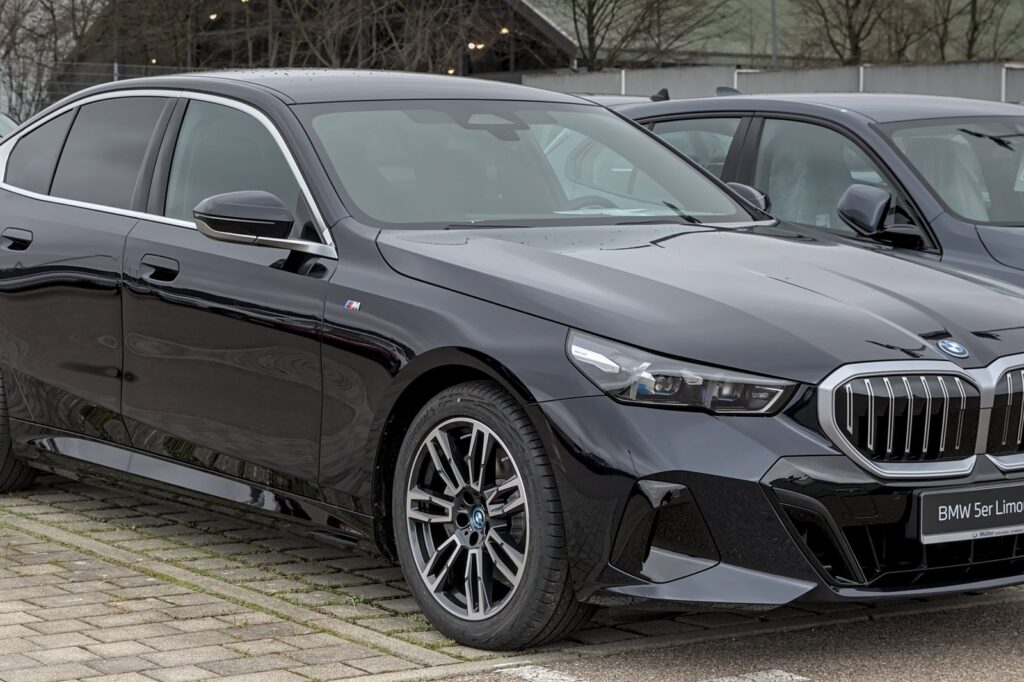
BMW is recalling 286 i5 and i7 electric sedans in the United States because some vehicles received testing software instead of production code for high-voltage battery charging management. The error, flagged by supplier TE Connectivity Solutions GmbH on October 8, 2026, could in rare cases expose people to a higher risk of electric shock during charging.
How test software reached production vehicles
The affected cars — 236 model-year 2026–2027 i5 variants (eDrive40, xDrive40, M60) and 50 model-year 2027 i7 50 xDrive and 60 xDrive models — were all built between May and July 2026. According to the NHTSA recall report, TE Connectivity alerted BMW that some charging-port units had been mistakenly shipped with test software. An investigation confirmed the slip. No hardware changes are required; the remedy is a software update to replace the test code with production code. BMW says it is not aware of any injuries, accidents, or field incidents related to the problem.
The technical reality under the hood
The i5 and i7 share BMW’s Cluster Architecture (CLAR) platform, which underpins the high-voltage charging system validated across both model lines. The charging port is a critical gateway: it manages the handshake between the vehicle’s battery management system and the external charger, controlling current flow, isolation monitoring, and safety interlocks. The technical reality is that a validation gate somewhere between TE Connectivity’s shipping dock and BMW’s incoming inspection at Plant Dingolfing failed to catch a configuration mismatch. As ever, the detail that matters is not the code itself but the process that let it pass.
Over-the-air update and dealer involvement
BMW plans to mail owner notification letters beginning December 25, 2026. Owners can check recall status via the NHTSA website using their VIN from the same date. The recall report does not specify that the fix can be delivered over the air, so a dealer visit will likely be required. That distinction matters: an OTA update would be invisible to the owner; a dealer visit introduces scheduling friction and a visible service record.
Concurrent quality campaigns
The i5/i7 recall landed alongside a far larger campaign announced November 13, 2026, covering 720,796 vehicles for a water-pump connector that can short-circuit and pose a fire risk. That recall carries a park-outside warning. Two simultaneous recalls — one a software slip affecting a few hundred flagship EVs, the other a hardware degradation issue spanning the model range — suggest BMW’s quality gates are under pressure across different failure modes.
Owner confidence and residual-value outlook
For the 286 affected owners, the immediate impact is inconvenience: a Christmas-week dealer appointment for a software flash on a vehicle that costs upwards of $70,000. The broader question is whether a test-software escape on the high-voltage architecture shakes confidence in the CLAR platform’s validation discipline. Residual values for the i5 and i7 have so far tracked the luxury EV segment’s steep depreciation curve, driven more by market oversupply and Tesla price cuts than by isolated recalls. A 286-unit software recall with no field incidents is unlikely to move auction prices on its own. But it adds a data point to the narrative that BMW’s EV ramp — spanning CLAR-based i5/i7 and the new Neue Klasse iX5 entering US production at Spartanburg on November 13 — is managing parallel architectures with parallel risk profiles. The next scheduled milestone is the owner notification mailing on December 25, 2026.
Sources
- BMW i5, i7 EVs Being Recalling Over Software Error That Could Lead to a Nasty Electric Shock
- BMW 5 Series (G60)
- 13 upcoming/new electric station wagon (estate) models
- BMW recall issues park-outside warning over fire risk
- BMW's first US-built EV promises 456 miles of range and ultra-fast charging
- 8 Vehicle Models With the Highest Would-Buy-Again Rate – DAX Street
Photo: Alexander-93 (CC BY-SA 4.0)