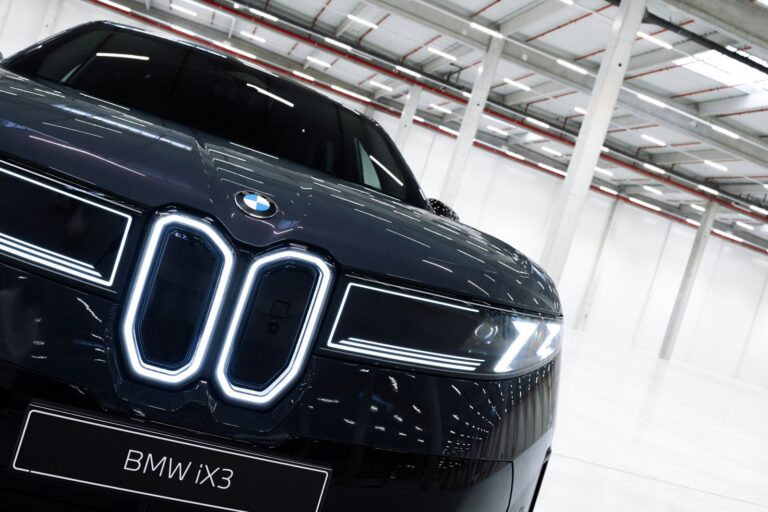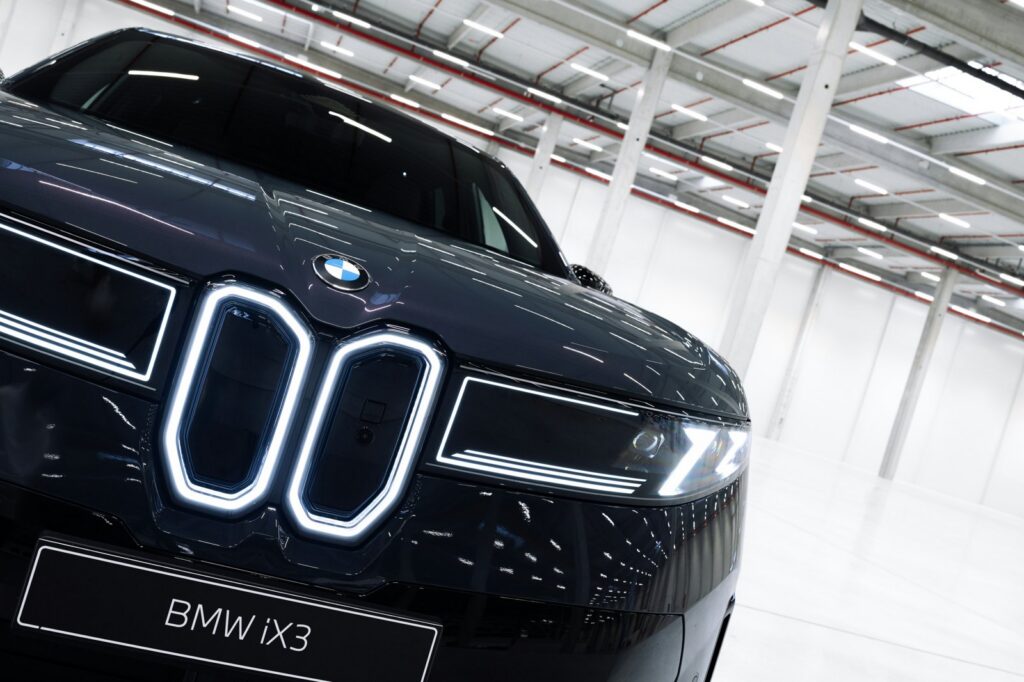
SPARTANBURG, November 18, 2026 — BMW’s Spartanburg plant has begun assembling the iX5, the company’s first mass-produced electric vehicle built in the United States. Roughly 70 units are rolling off the line daily, sharing the same architecture as gasoline, diesel, and hybrid X5 variants.
The Technical Reality: Flexible Architecture
Under the hood, the iX5 uses the same CLAR platform as its combustion-engine siblings, a design choice that lets BMW run a single mixed-model assembly line. The technical reality is that the plant can dial the electric mix up or down without retooling the entire facility. “Currently, the market is looking like 20-25 percent EVs for the immediate three months,” said Kavit Antani, general manager of vehicle assembly. “As the market sees these vehicles come through, it might shift.”
That flexibility is the detail that matters. BMW initially targeted 100,000 iX5 units for 2027, but Automotive News reports that figure has been revised to 60,000. The company representative noted roughly one in four X5s will be electric in the near future, aligning with that 20-25% market share. Suppliers have reportedly been given a more ambitious target of 175,000 EVs annually for 2028 and 2029, though the past two years of American EV demand suggest those numbers are written in pencil.
Power Supply: The Woodruff Connection
The batteries arrive from a new assembly plant 15 miles away in Woodruff, where the first mass-produced packs began shipping to Spartanburg earlier this week. The first Gen6 cylindrical cells inside those packs come from AESC in China, but BMW confirmed it will switch suppliers toward the end of the decade. LG Energy Solution will supply U.S. facilities with locally made cells, while Samsung SDI will handle European factories.
Six Models by 2030
The iX5 is merely the advance guard. BMW plans five additional U.S.-built EVs by 2030, totaling six electric models from Spartanburg. The lineup will likely include the iX7, iX6, and a performance-oriented iX5 M, according to BMW Blog reporting cited by InsideEVs. The broader strategy carries a $1.7 billion regional price tag, anchoring a supply chain transformation that extends well beyond the plant gates.
An Industrial Base in Transition
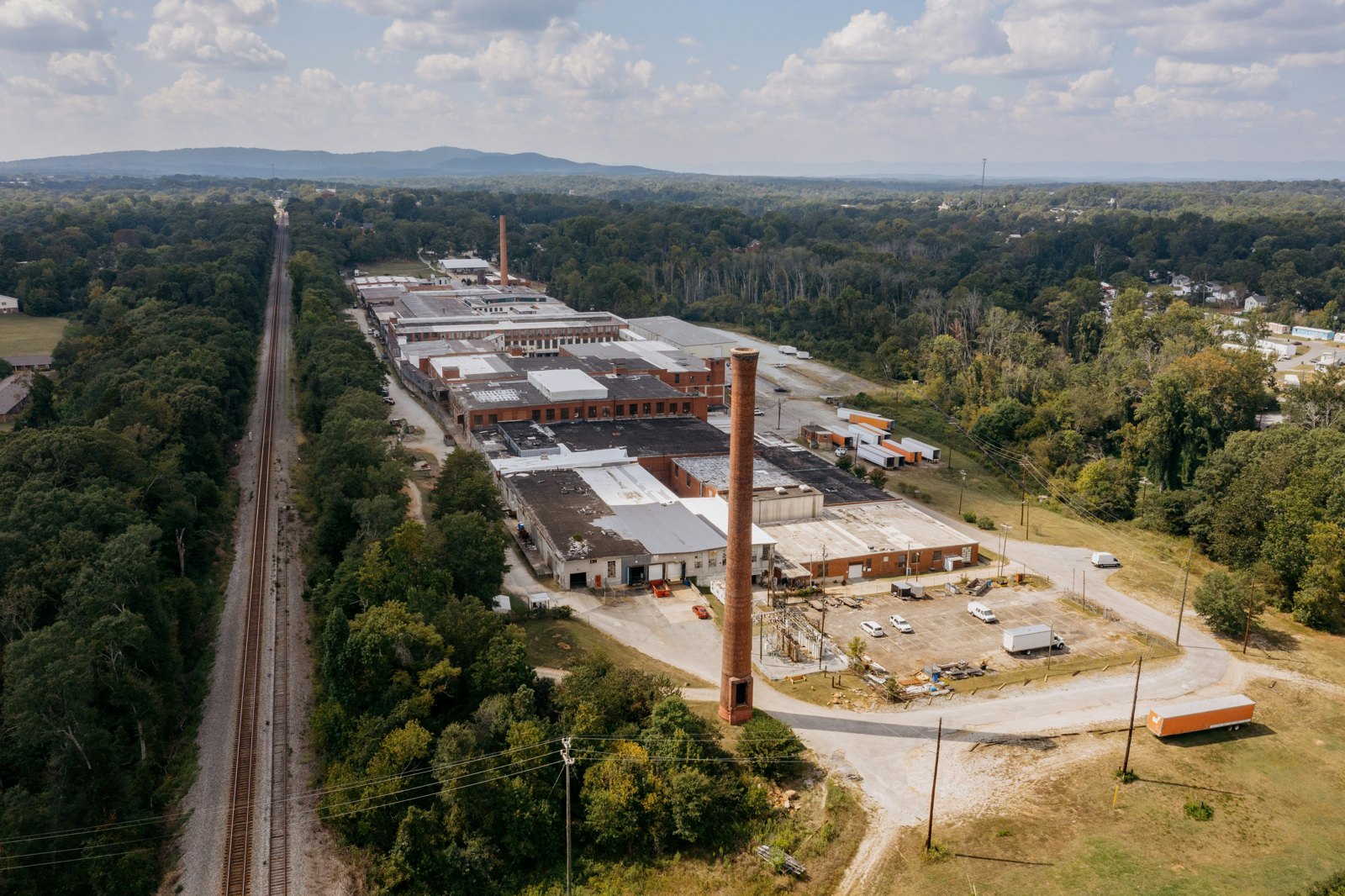
Spartanburg County, population 327,997 as of the 2020 census, has long defined itself by automotive manufacturing. The plant is the largest BMW facility in the world by volume, exporting more vehicles than any other U.S. auto plant. Now the Upstate is absorbing a second industrial wave. On November 17, Spartanburg County Council approved three data center projects totaling $5.45 billion in investment.
The Valara Data Center alone represents a $2.75 billion commitment for a 457-megawatt facility on nearly 300 acres. It passed on a three-to-two vote after Councilman Monier Abusaft raised concerns about the parent company, NorthMark Strategies, and enforcement of landscaping and lighting commitments. Two other projects — AIB CLT1 LLC at $1.2 billion and 300 Jones Road Associates LLC at $1.5 billion — cleared unanimously. Three more data centers from AIB Data Centers passed first reading.
Workforce and Grid Realities
The dual influx — automotive electrification and hyperscale computing — rewrites the region’s energy and labor calculus. The Valara facility’s 457-megawatt demand is substantial; for context, that is roughly the peak load of a mid-sized American city. Meanwhile, the battery assembly operation in Woodruff and the EV line in Spartanburg require a workforce fluent in high-voltage systems, not just internal combustion. The county’s history as a textile and later automotive hub provides a baseline, but the skill gap is real.
As ever, the market will decide the pace. Antani’s three-month horizon is the only forecast the plant is willing to own. The 60,000-unit target for 2027, the 175,000 supplier target for 2028, and the six-model plan for 2030 are all signposts, not guarantees. The line is moving at 70 iX5s a day. The next data center vote is already on the calendar.
Sources
- BMW's First U.S.-Made EV Is Now Rolling Off The Assembly Line
- Spartanburg County, South Carolina
- Data centers clear Spartanburg County Council, with more in the pipeline
- Coroner identifies husband, wife killed after 3-vehicle crash in Spartanburg Co.
- How Spartanburg County Caught on to the Ex-Sheriff’s ‘No-Show’ Cousin – FITSNews
- 8 South Carolina Meat-And-Three Restaurants Serving Up Outrageously Delicious Comfort Food
Photo: Martin Katler / Unsplash (Unsplash License)