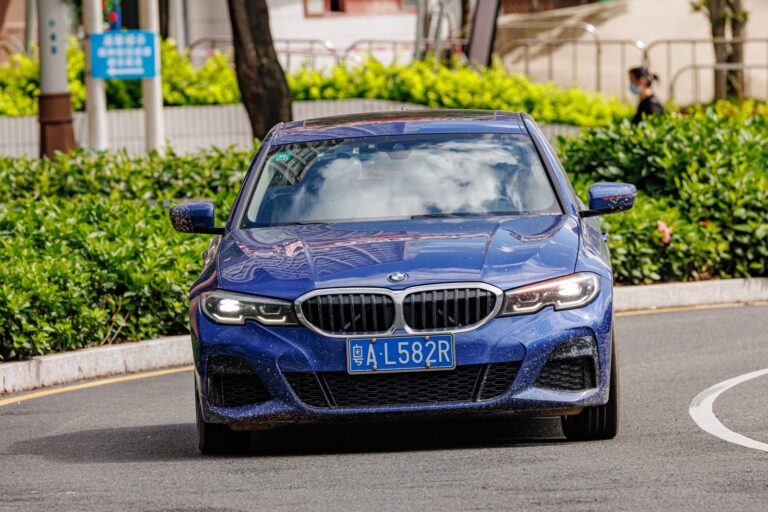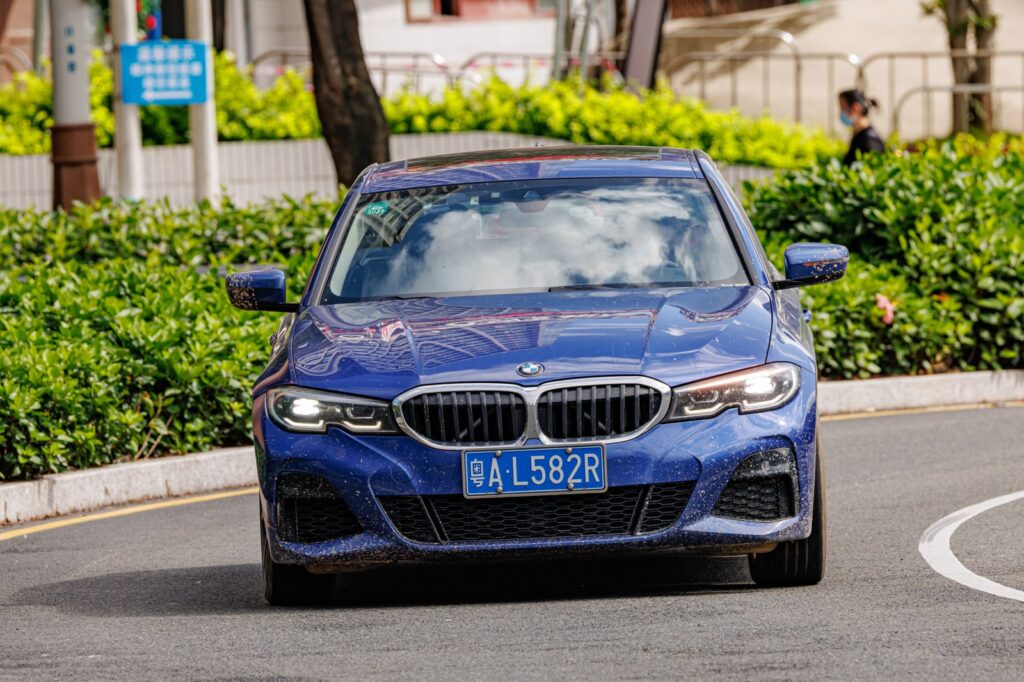
BMW has unveiled its new i3 battery-electric sedan at the same time as the next-generation combustion-engine 3 Series, presenting both cars as a single model line for the D-segment market. The i3 is the second vehicle to use the company’s new “Neue Klasse” electric architecture, following the iX3 SUV.
The Specs in Plain Terms
The test car was the all-wheel-drive i3 50 xDrive. It carries a 108.7kWh battery and uses two different motor types: an asynchronous motor up front and a separately excited synchronous motor at the rear. Together they produce 468ps and 65.6kg-m of torque. Think of it like a relay team where each runner has a different specialty; the front motor handles efficiency while the rear motor delivers the performance punch.
BMW quotes a WLTP range of up to 910km and a maximum DC fast-charging rate of 400kW. The sprint from 0-100km/h takes 4.7 seconds. On a mixed route of city streets, highways, and mountain roads, the test car showed an efficiency of 6.0km/kWh. The drag coefficient is 0.21, slightly better than the combustion version, though designers kept the roof higher to preserve rear-seat headroom.
The practical upshot: this is a large sedan, measuring 4,760mm long with a 2,897mm wheelbase. It is nearly identical in size to the new combustion 3 Series — just 5mm shorter, 15mm wider, and 25mm taller. Inside, a panoramic display spans the base of the windshield, forcing the steering wheel lower for an open driving position. The traditional rotary dial is gone, replaced by a central touchscreen running the latest OS. Rear legroom is decent, but foot space feels tight, and the trunk holds 420 liters versus 450 in the gas model.
Tackling the ‘Four Concerns’
Mike Reichelt, who leads development of the Neue Klasse series, said the 910km range and 400kW charging address two of the four main concerns buyers have about EVs. The remaining two, he said, are charging infrastructure and price.
To prove the charging point, BMW ran a demonstration drive from Norway’s North Cape to Tarifa in southern Spain — a distance of 5,886.7km across eight countries. The i3 50 xDrive completed the journey with a total DC charging time of two hours, 45 minutes, and 54 seconds, using public chargers and averaging 275kW charging power. Here’s what it means: the car spent roughly three days driving at an average speed of 79.7km/h, but the actual time plugged in was less than three hours. An identical i3 and an iX3 accompanied the run as support vehicles, all running production-spec hardware and software.
In plain terms, the demo shows what is possible with an optimized route and a professional team. An owner’s experience will depend on the chargers they actually find, the weather, and the battery’s condition.
Pricing and Positioning
UK pricing starts at £54,925 (approximately $73,000), a figure BMW positions as highly competitive for an electric saloon in this class. In New Zealand, the i3 50 xDrive lists at $128,900. Japanese market timing and pricing have not been announced.
The combustion-engine 3 Series (G50 generation) rides on an evolution of the previous G20 platform. The M350 xDrive test model uses a 3.0L inline-six mild hybrid making 443ps. Inside, it mirrors the i3’s screen-heavy dashboard, though the reliance on touch controls leaves some usability questions. BMW’s strategy is to let customers choose their power source — gasoline, diesel, plug-in hybrid, or electric — without feeling pushed in one direction. The i3 arrives as competition in the D-segment EV saloon market heats up, particularly in Europe, targeting buyers switching from conventional diesel and gasoline cars.
Sources
- BMW Launches New i3 EV Sedan Alongside Combustion-Engine Model, Targeting D-Segment Market with 910km Range — BigGo Finance
- BMW i3 covers 5886.7km with under three hours of charging
Photo: Dinkun Chen (CC BY-SA 4.0)