Autonomous Ambitions Meet a Tightening Balance Sheet
Tesla aims to sell a driverless car this year despite navigating falling profits, rising expenses, and production hurdles. As ever, the detail that matters lies in the numbers, which reveal a company stretching its capital resources just as its traditional revenue streams face pressure. According to Ars Technica, Tesla published its third-quarter 2026 financial results, reporting a 43 percent drop in net profit to $787 million.
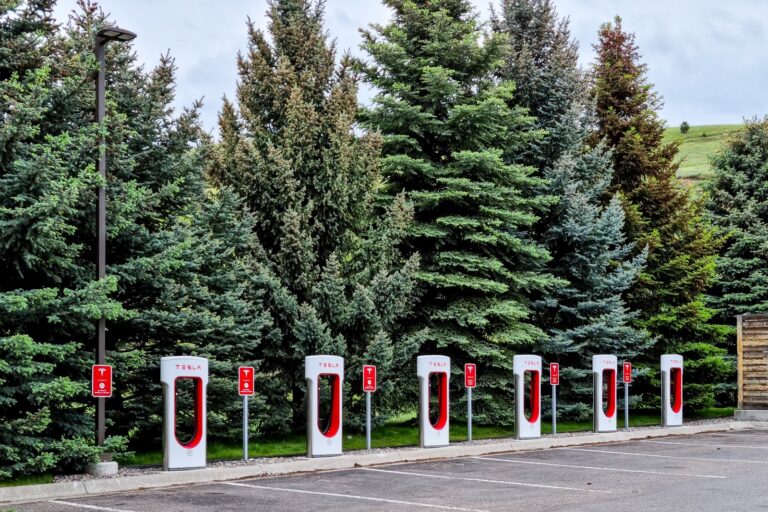
Under the hood of those financial statements, the revenue figures show a complex picture for the electric vehicle maker. Tesla brought in $28 billion in revenue in Q3, remaining nearly flat compared to 2025, according to Ars Technica. Automotive revenues declined by 3 percent year over year to $20.6 billion. At the same time, revenue from solar panels and storage batteries fell 16 percent year over year to $2.9 billion. The technical reality of these declines is offset slightly by services and other revenues, including parts and Supercharger use, which grew by a third to $4.6 billion according to Ars Technica.
Rising Costs and Capital Expenditure Surges
While revenue remained mostly flat, expenses climbed significantly across the board. According to Ars Technica, operating expenses rose by 39 percent to $4.8 billion, reducing the operating margin to 2.6 percent. In the same period of 2025, Tesla recorded an operating margin of 5.8 percent.
Capital expenditures also saw a massive increase as the company pursued its ambitious technological goals. According to Ars Technica, capital expenditures increased by 110 percent to $4.7 billion in Q3. Consequently, free cash flow dropped 62 percent year over year to $1.5 billion, according to Ars Technica. These figures illustrate the heavy financial toll of funding new vehicle designs and autonomous research at a time when core manufacturing returns are contracting.
Historical Delays and Consumer Skepticism
The financial pressure arrives against a backdrop of long-standing production delays that continue to test consumer patience. According to Time, the second-generation Tesla Roadster was originally announced in 2017 with production set to begin in 2020. OpenAI CEO Sam Altman waited seven years for his Tesla Roadster before asking for his $50K deposit back, according to Time. Following repeated production delays, CEO Elon Musk unveiled three versions of the second-generation Tesla Roadster on October 15 at a SpaceX testing facility in Texas, featuring a Rocket trim that uses cold-gas thrusters to briefly fly, according to Time.
Consumer skepticism remains a factor for prospective buyers examining the technical reality of these new models. According to Time, the Rocket version is “not approved for public road use,” and Tesla’s quarterly update lists the Roadster as being in design development with a manufacturing region marked as TBD and no production capacity disclosed. Musk stated that production will begin in 2028, but prediction markets reflect lingering doubt after years of missed deadlines, according to Time. Kalshi’s market currently gives Tesla a 48 percent chance of beginning Roadster deliveries before 2029, according to Time.
Broader Implications for the Automotive Industry
The broader automotive industry watches closely as Tesla attempts to balance high-cost autonomous development with mainstream electric vehicle manufacturing. According to Time, the reservation agreement for the Roadster states that the company cannot guarantee when a vehicle will actually be delivered or if it will be delivered at all. Customers can still reserve the Performance and Thrust models for $50K and $250K, respectively, according to Time.
As Tesla pursues its goal of selling a driverless car this year, the company must manage these high capital expenditures against falling net profits and narrower operating margins. According to Ars Technica, the drop in free cash flow to $1.5 billion leaves a narrower margin for error if autonomous development hits further snags. The technical reality of building driverless technology while managing legacy automotive lines will define the company’s financial health through the remainder of the year.
Autonomous Vehicle Development Challenges
According to Ars Technica, Tesla’s capital expenditures increased by 110 percent to $4.7 billion in Q3, which includes funding for autonomous vehicle research. This significant investment underscores the company’s commitment to developing autonomous technology, despite the financial pressures it faces.
The development of autonomous vehicles is a complex task, and Tesla’s progress in this area will be crucial to its future success. As the company works to balance its autonomous ambitions with its financial realities, it must navigate the technical challenges of building driverless cars, including the integration of sophisticated software and hardware systems.
Tesla’s ability to manage these challenges will be closely watched by the automotive industry, as the company’s success or failure in developing autonomous vehicles could have far-reaching implications for the future of transportation. According to Time, the reservation agreement for the Roadster states that the company cannot guarantee when a vehicle will actually be delivered or if it will be delivered, highlighting the uncertainty and risk associated with developing and deploying new technologies.
Energy Generation and Storage Segment Decline
According to Ars Technica, revenue from solar panels and storage batteries fell 16 percent year over year to $2.9 billion in the third quarter. This decline is notable because this line of business had been growing prior to Q3 2026, according to Ars Technica.
The drop in energy generation and storage revenue occurred while the company’s overall revenue remained nearly flat at $28 billion. Automotive revenues also declined by 3 percent year over year to $20.6 billion, according to Ars Technica.
Market Predictions on Roadster Delivery
Traders are increasingly skeptical about Tesla’s ability to meet its ambitious delivery timelines for the new Roadster. According to Time, Kalshi’s prediction market currently assigns Tesla only a 48 percent chance of beginning Roadster deliveries before 2029. This statistical outlook reflects significant doubt among investors following nearly a decade of repeated production delays and cautious language from the company itself.
The uncertainty surrounding the vehicle’s release is further compounded by the terms of the reservation agreement. According to Time, customers purchasing Performance models for $50K or Thrust models for $250K are subject to a disclaimer stating that the company cannot guarantee when a vehicle will actually be delivered or if it will be delivered at all. This lack of delivery assurance is not unique to Tesla, as evidenced by OpenAI CEO Sam Altman waiting seven years for his Roadster before requesting a refund.
Despite these risks, prospective buyers can still place reservations for the upcoming models. According to Time, the reservation agreement allows customers to secure their spot in line even without a guaranteed delivery date or production capacity disclosure. The second-generation Tesla Roadster remains listed as being in design development with a manufacturing region marked as TBD, highlighting the substantial gap between announcement and actual market availability.
Sources
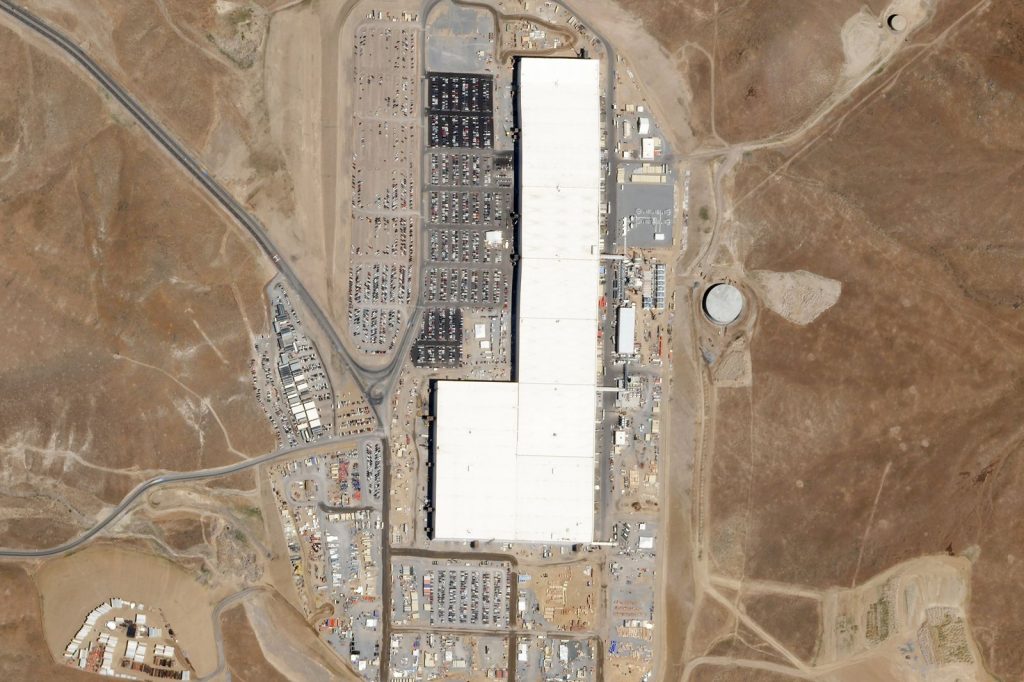
Photo: Planet Labs, Inc. (CC BY-SA 4.0)